Science news and discussion on TalkFuse.
Border K9 sniffs out 99 pounds of prohibited meat, plants and monitor lizard in suitcase from Thailand
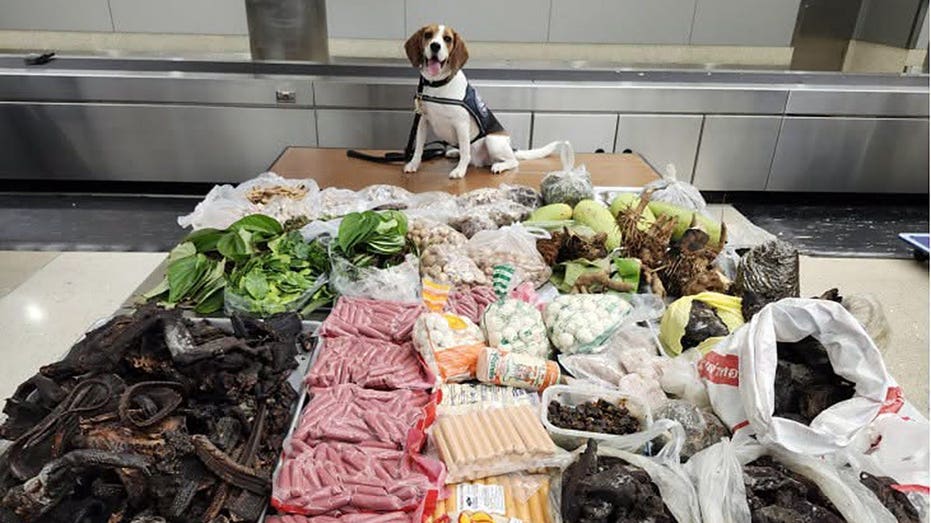
A Customs and Border Protection detection dog named Maisy alerted officers to a suitcase containing nearly 100 pounds of prohibited agricultural and wildlife products arriving from Thailand. Officers responded to the dog's alert and discovered the contraband, which included meat, plants, and protected animal species that violated U.S. import regulations.
The interception exemplifies the role of canine detection units in border security operations, where trained dogs identify concealed items during baggage screening. The seizure was processed as part of standard customs enforcement procedures at the port of entry.
In short
- CBP dog Maisy detected approximately 100 pounds of prohibited meat, plants, and wildlife products in luggage from Thailand
- The seizure represents routine customs enforcement at the border
Explained simply
The United States customs system requires screening of items entering the country to prevent the spread of diseases, protect endangered species, and maintain agricultural security. Many agricultural products, plants, and animals are prohibited from import because they can carry pests or illnesses that pose risks to American farming and wildlife.
Detection dogs trained by Customs and Border Protection are used to identify concealed contraband during routine baggage screening at ports of entry. These dogs undergo extensive training to recognise the scent of prohibited materials and alert officers when they detect them, enabling authorities to conduct searches and seize illegal items.
Intercepting prohibited wildlife and agricultural products is a routine but significant part of border security, as smuggling of such items occurs regularly despite import restrictions. Seizures demonstrate both the volume of attempted smuggling and the effectiveness of canine detection in protecting American agriculture and wildlife.