Entertainment news and discussion on TalkFuse.
Borderlands director says his 10% Rotten Tomatoes-rated video game adaptation went wrong because it “belonged to nobody”
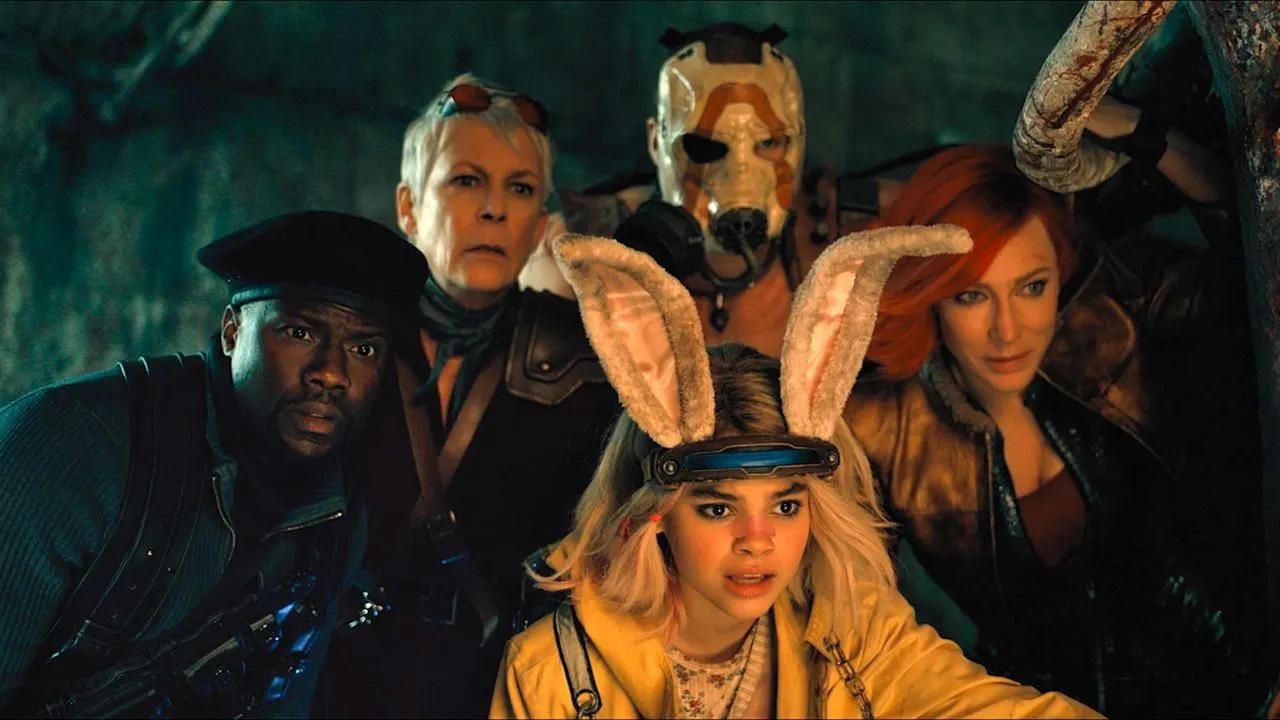
Eli Roth, director of the 2024 video game adaptation Borderlands, has spoken candidly about why the film flopped, saying it "belonged to nobody" because too many people had creative input without any single vision guiding it. The film currently holds a dismal 10% critics' score on Rotten Tomatoes and was widely panned on release, joining a long line of video game films that have struggled to translate source material successfully to the screen.
Roth's comments point to a familiar Hollywood problem where studio interference, reshoots and competing creative demands can dilute a director's original intent, leaving a finished product without a clear authorial stamp. Despite a starry cast including Cate Blanchett and Kevin Hart, the film underperformed critically and commercially, adding to the mixed track record of video game-to-film adaptations even as titles like The Last of Us and the Sonic franchise have shown the genre can succeed when handled well.
In short
- Borderlands director blames flop on lack of clear creative ownership.
- Film holds just 10% on Rotten Tomatoes despite starry cast.
- Adds to video game adaptations' mixed Hollywood track record.
Steelman: both sides, in good faith
The strongest fair case each way — we don't pick a winner.
The case for
A director's original vision is essential to creating a coherent, distinctive film, and studio interference through reshoots, competing notes and conflicting creative demands inevitably dilutes that vision into a mediocre product that satisfies no one. When multiple stakeholders each push for different creative choices without a unifying authorial perspective, the result is incoherent and forgettable. Successful video game adaptations like Sonic and The Last of Us succeeded precisely because they had a clear creative direction, whereas Borderlands' failure demonstrates how committee-based filmmaking produces work that 'belongs to nobody.' Directors should have the autonomy to execute their vision fully.
The case against
Studios investing hundreds of millions of pounds have legitimate reasons to exercise creative oversight and request changes that serve both artistic and commercial interests. Filmmaking is inherently collaborative, and reshoots or revisions often identify genuine problems that improve the final product rather than damage it. A director's original vision is not automatically superior—external perspective from experienced producers, executives and others can catch blind spots or elements that don't work for broader audiences. The notion that any single person's uncompromised vision always produces superior results ignores how many acclaimed films benefit from thoughtful revision and collaboration across multiple creative voices.
Explained simply
Borderlands began as a series of video games set on the lawless planet Pandora, where groups search for valuable technology and face dangerous rivals. The 2024 film adaptation was directed by Eli Roth and starred Cate Blanchett and Kevin Hart.
Video game adaptations have often struggled to satisfy both fans of the games and people unfamiliar with them. The games’ worlds and characters can be reworked in different ways for film, making a clear creative direction important to how the finished story comes across.
The film’s reception has renewed attention on the mixed record of adapting games for screen. Other projects, including The Last of Us and the Sonic films, have found audiences, showing that results vary from one adaptation to another.