World news and discussion on TalkFuse.
BORIS JOHNSON: The Cambridge academics who cynically used and abused Jason Arday for their own selfish ends are the REAL racists here…
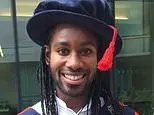
Boris Johnson argues that the University of Cambridge bears greater responsibility than Jason Arday for allegedly failing to scrutinise his background before appointing and promoting him. He says academics may have used Arday’s story and identity for institutional purposes, while criticising the prospect of a memoir that could expose him to further public ridicule.
The column refers to reports that Arday resigned from his Cambridge professorship after questions about alleged plagiarism and claims in a book proposal concerning illness, achievements and honours. Johnson highlights apparent inconsistencies in accounts of Arday’s education, autism and endurance-running feats, but presents these as reasons Cambridge’s appointment process should have identified concerns earlier.
In short
- Johnson says Cambridge should answer for alleged failures in appointing Arday.
- The column cites reported inconsistencies in Arday’s personal and professional claims.
- It argues Arday should be spared further public humiliation.
Steelman: both sides, in good faith
The strongest fair case each way — we don't pick a winner.
The case for
Institutions like Cambridge bear primary responsibility when they fail to properly scrutinise candidates' claims, especially when such appointments generate institutional prestige and diversity credentials. Universities have considerable resources and expertise to verify credentials; when they proceed with insufficient rigour, they enable or facilitate misrepresentation and bear responsibility for the consequences. The power imbalance means established institutions should exercise particular care, particularly where they stand to benefit from a candidate's narrative.
The case against
Individuals ultimately bear responsibility for the accuracy of claims they make about themselves, regardless of institutional vetting failures. No verification process catches everything, particularly when someone is deliberately misleading. If Arday knowingly misrepresented his background, credentials, or achievements, that reflects personal accountability that cannot be displaced onto Cambridge's processes. Institutional shortcomings do not excuse individual dishonesty, and focusing blame outward rather than accepting personal responsibility undermines integrity in academia.
Explained simply
Jason Arday is a British sociologist who became a professor at the University of Cambridge. He has spoken publicly about being autistic, having developmental delays and learning to read and write as an adult. His academic work has focused on race, education and inequality.
Cambridge is one of the UK’s oldest universities, and its academics and appointment processes are under scrutiny when questions arise about a professor’s work or public claims. The dispute raises questions about how universities check candidates’ records and how they present people’s life stories, particularly when those stories connect with research on inequality.