World news and discussion on TalkFuse.
Boy George stands firm with pro-Israel song as faith guides him through record label split and West End exit
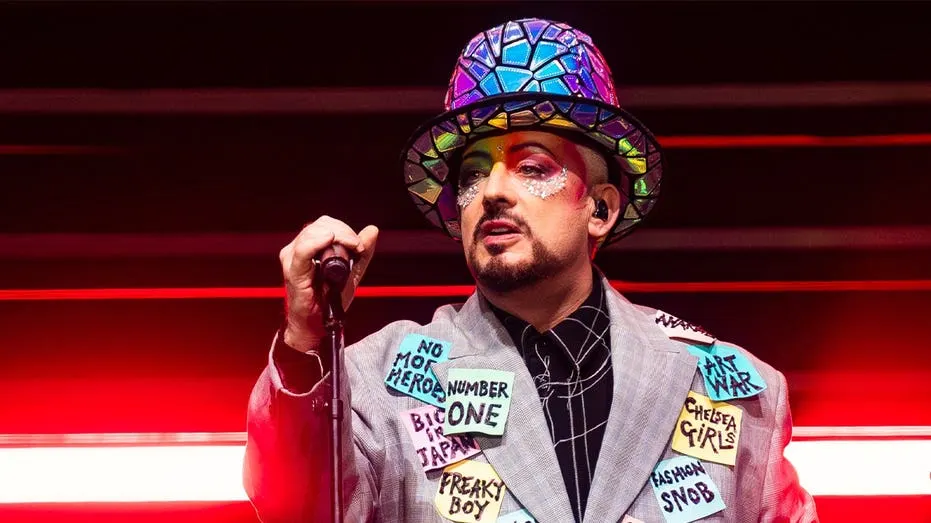
Boy George has parted ways with his record label and withdrawn from the West End production of "Jesus Christ Superstar" in London, days after releasing an AI-generated, pro-Israel song titled "We Will Dance Again." The 65-year-old singer said his Buddhist faith has helped him stay resilient amid the backlash, framing the fallout as a consequence of standing by his convictions rather than backing down under pressure.
The reggae track defends Israel's military action in Palestine, and George says he was urged to "pipe down" as criticism intensified following its release. He linked the label split and his exit from the musical to his decision to publicly support Jewish friends, describing the developments as the price of taking a stand he felt was right.
In short
- Boy George dropped by record label after releasing pro-Israel song.
- He also left the West End's "Jesus Christ Superstar" production.
- Singer credits Buddhist faith for helping him weather the backlash.
Steelman: both sides, in good faith
The strongest fair case each way — we don't pick a winner.
The case for
Artists should retain the fundamental freedom to express their political convictions without facing professional punishment designed to silence them. Boy George chose to support a perspective held by many globally, and the coordinated withdrawal by his label and the musical production appears retaliatory rather than stemming from independent decisions. In a pluralistic society, holding unpopular views—particularly on complex geopolitical matters where reasonable people disagree—should not result in effective blacklisting from one's career. His Buddhist faith guided him to act according to his conscience, and the suggestion that he should have stayed silent to protect his professional interests represents precisely the kind of self-censorship that erodes genuine free expression.
The case against
Institutions and collaborators have their own freedom of association and values; choosing not to work with someone is not censorship but rather the exercise of their own autonomy. The musical production and record label made independent decisions about whom they wish to be associated with, particularly when a controversial political statement could affect their own stakeholders and audiences. Freedom of speech does not entail freedom from professional consequences—Boy George made a deliberate choice, presumably understanding the risks in an industry where many hold different views on this conflict. Others' withdrawal represents their right to make ethical choices about their own platforms and collaborations, not an attempt to suppress his speech; he remains free to express his views through other means without any legal impediment.
Explained simply
Boy George is the stage name of George O’Dowd, a British singer who became famous in the 1980s as the lead singer of Culture Club. He has also appeared in stage musicals, including Jesus Christ Superstar, which retells the final days of Jesus’s life.
Israel and Palestine have been at the centre of a long-running conflict over land, security and national rights. Israel’s military campaign in Gaza followed the Hamas-led attacks on Israel on 7 October 2023; the conflict has caused extensive loss of life and displacement, and prompted strong reactions internationally. Public statements about the conflict can draw criticism from people with differing views and personal ties to those affected.
The story connects George’s comments about the conflict with changes to his music and theatre work. His support for Jewish friends and his Buddhist faith are part of how he has described his response to the reaction.
Americas Art Celebrity Culture Entertainment Middle East Music World