Culture news and discussion on TalkFuse.
BP to sell UK North Sea oil and gas operation
Developed over time first seen 4 months ago
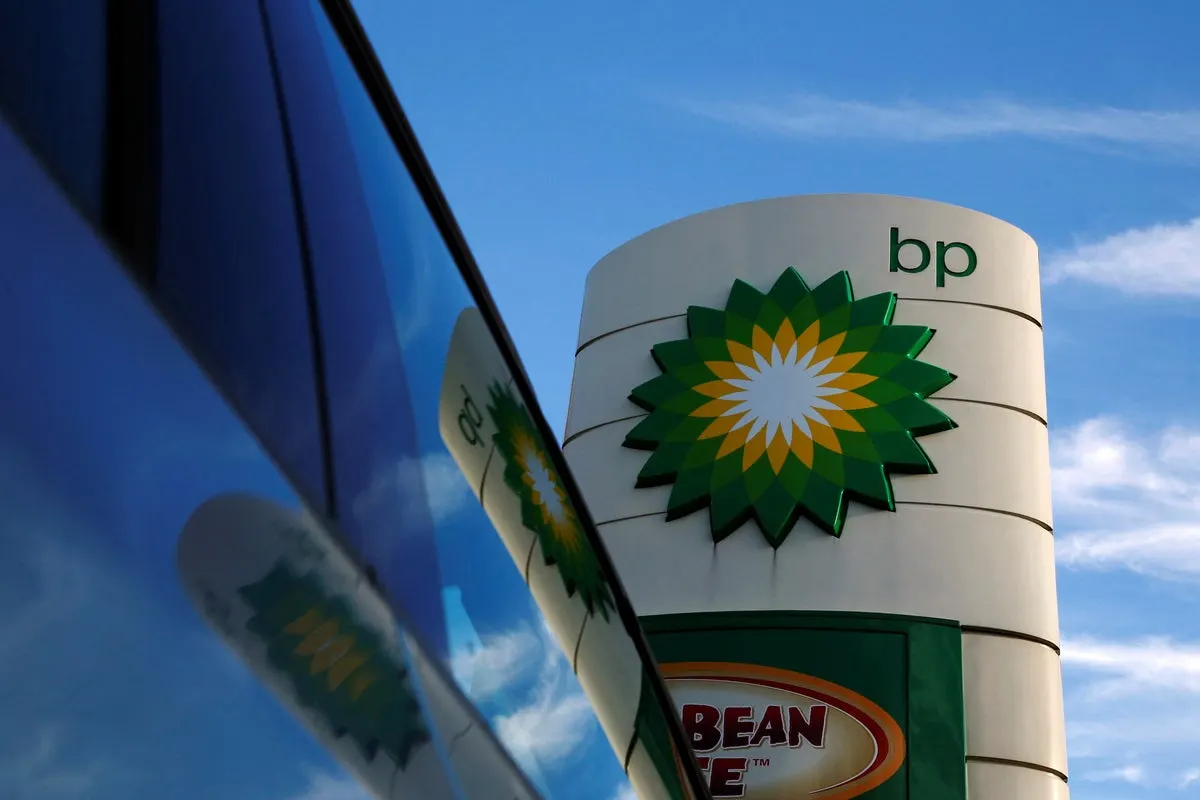
BP has put its UK North Sea oil and gas business up for sale, potentially ending more than 60 years of its production in the region. The company says the division could fare better under another owner as it concentrates investment on higher-value opportunities, while the decision has intensified political arguments over North Sea drilling and UK energy policy.
The business operates five production hubs and produced 117,000 barrels of oil equivalent per day in 2025, employing about 1,100 people. BP’s plans coincide with consultations on the Jackdaw gasfield and Rosebank oilfield, while Conservatives and Reform UK blamed government policy and taxes; BP is also proposing roughly 700 global job cuts in production and operations roles.
- Sources
- 2
- Outlets
- 2
- Left · Centre · Right
- 2 · 0 · 0
In short
- BP is selling its UK North Sea business after six decades.
- The operation produced 117,000 barrels daily in 2025.
- The sale fuels debate over North Sea drilling policy.
How this story developed
- 4 months ago The company formally placed the business on the market, reaffirming that it would redirect investment towards more profitable opportunities while retaining the North Sea’s importance to UK supply.
- 4 months ago BP said it intended to sell its long-running UK North Sea oil and gas operation, saying it could have a stronger future under different ownership amid debate over energy policy and taxation.
- The Guardian BP puts North Sea oil and gas business up for sale
- The Independent BP to sell UK North Sea oil and gas operation
Steelman: both sides, in good faith
The strongest fair case each way — we don't pick a winner.
The case for
Supporters of BP’s sale and continued North Sea development argue that a new owner focused on mature UK assets could sustain production, investment and skilled employment more effectively than a global company reallocating capital elsewhere. They contend that domestic oil and gas can improve energy security, generate tax revenues and reduce reliance on imported fuels during the transition, while projects such as Jackdaw and Rosebank should be judged against rigorous environmental and economic standards rather than ruled out in advance.
The case against
Critics argue that selling the business or approving further large North Sea projects risks extending dependence on fossil fuels at a time when climate commitments require a faster decline in production and investment in clean energy. They say public policy should give workers and communities a credible transition into renewables, grid infrastructure and decommissioning, rather than relying on an industry facing long-term contraction, and that tax policy should ensure companies contribute fairly to that transition.
Explained simply
The North Sea is the area of sea between the UK and mainland Europe, where oil and gas have been produced since large reserves were found in the 1960s and 1970s. Production has supported jobs, tax revenues and part of the UK’s energy supply, although many fields are now older and output has generally declined.
BP is one of the largest companies operating in the region. Its North Sea business runs offshore platforms and related facilities that extract oil and gas, which are then brought ashore for processing and sale; workers include offshore crews, engineers and support staff.
The future of North Sea production is politically sensitive because it raises questions about energy security, employment, government tax income and the UK’s target to reduce greenhouse-gas emissions. Proposed developments such as Jackdaw and Rosebank have become focal points in the wider debate over whether new oil and gas fields should go ahead.
Coverage · 2 sources
Bias meters
From 2 rated sources.
Art Business Companies Culture Politics
Read the full article at the source →
Originally published by The Independent as “BP puts its North Sea oil and gas business up for sale”.