World news and discussion on TalkFuse.
Brace for nonstop Dem hearings, West Bank borders that aren’t and other commentary
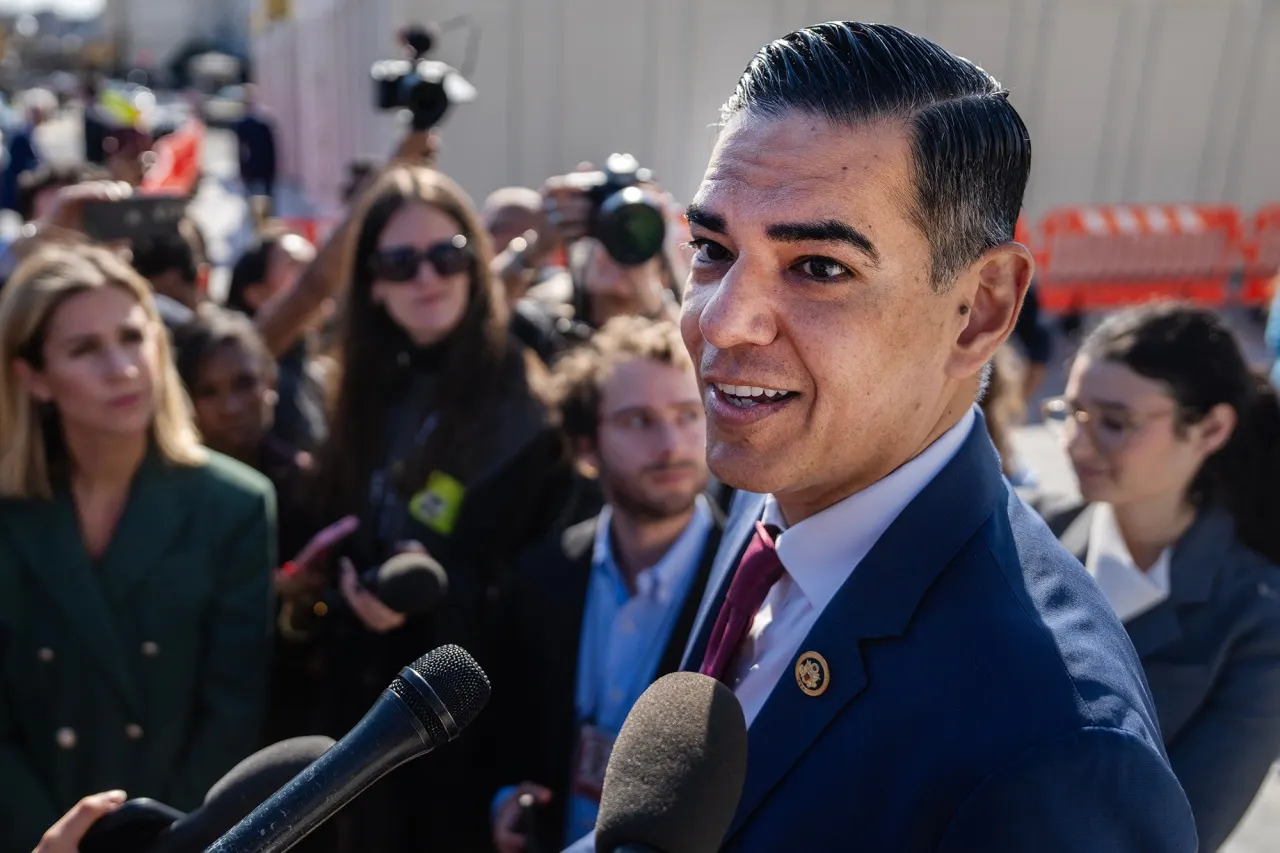
The article brings together five opinion commentaries on US politics, the West Bank, government contracts, COVID-19 research and school phone bans. Their writers argue that planned Democratic investigations may be politically motivated, that the 1949 Green Line is an armistice line rather than a settled border, and that new Oracle contracts raise questions about government oversight.
The pieces also call for scrutiny of senior scientists’ role in a 2020 paper on COVID-19’s origins, while a cited Harvard study reports better learning growth at schools with strict phone-storage rules. It compared around three million pupils and found gains in maths and reading equivalent to one to two extra weeks of learning each year. The article is a selection of opinion claims and commentary, rather than a single reported news investigation.
In short
- Five commentaries address politics, borders, contracts, science and education.
- A study linked strict school phone bans to modest learning gains.
- The pieces debate scrutiny and accountability across public institutions.
Steelman: both sides, in good faith
The strongest fair case each way — we don't pick a winner.
The case for
Supporters of these commentaries argue that vigorous scrutiny is a legitimate part of democratic accountability: Congress should examine executive conduct, governments should be precise about the legal status of contested lines, and public contracts and scientific decisions should be open to review. They also see strict school phone rules as a practical way to protect pupils’ attention and improve learning.
The case against
Critics could argue that investigations framed chiefly as political battles risk weakening trust in oversight, while stressing that an armistice line’s legal history does not settle the political and humanitarian questions around borders. They may also caution that contract or research concerns require specific evidence and fair process, and that study results alone do not establish that strict phone bans are right for every school or pupil.