Brad Paisley Says Russian Bots Fueled Backlash to Ukraine Song “Same Here”
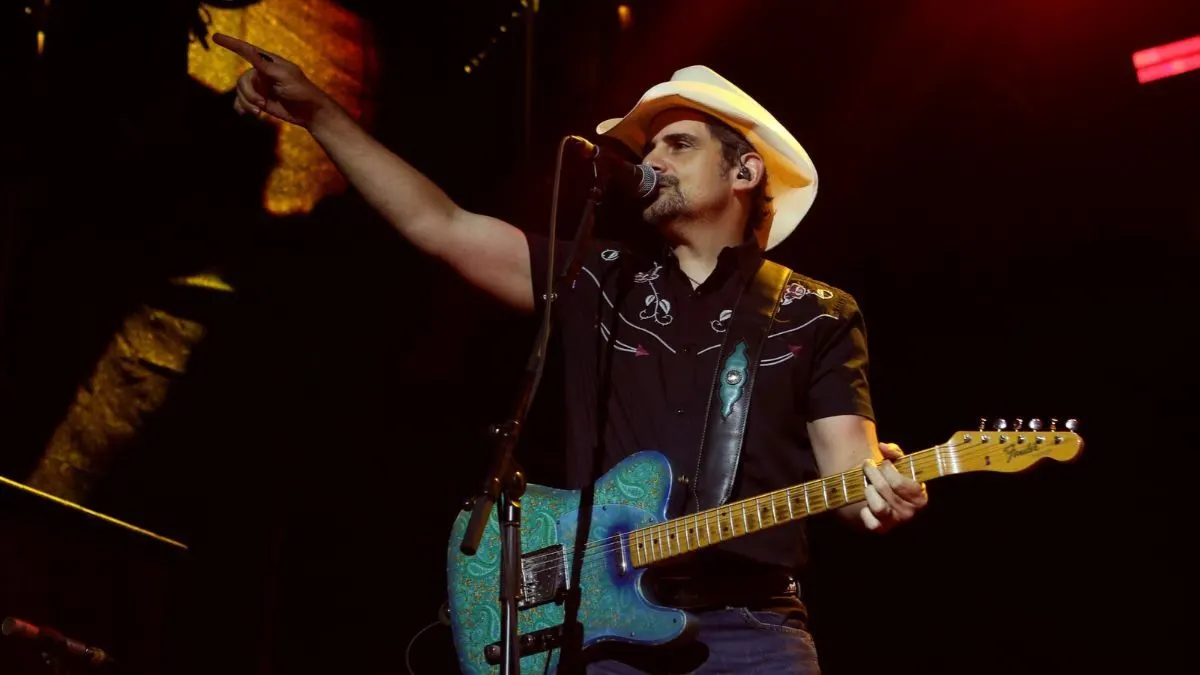
Brad Paisley says online reaction to his 2023 song “Same Here”, which expressed solidarity with Ukraine, shifted from strongly positive to largely negative after Russian bots and accounts posing as Americans began criticising it. He says the change surprised him, but the backlash did not alter his views or regret his decision to make the song.
Paisley said his team tracked approval falling from 98 per cent to 90 per cent negative, while people in Ukraine also monitored the accounts’ origins. Written with Lee Thomas Miller and Taylor Goldsmith, the song focuses on common ground across borders and includes part of a conversation with Ukrainian President Volodymyr Zelensky. Paisley later performed it in Kyiv and became an ambassador for the United24 fundraising platform.
In short
- Paisley says Russian bots helped turn online reaction against “Same Here”.
- The song features audio from a conversation with Zelensky.
- Paisley says the backlash did not change his convictions.
Steelman: both sides, in good faith
The strongest fair case each way — we don't pick a winner.
The case for
Paisley’s account, if supported by reliable evidence, highlights how coordinated foreign influence operations can disguise themselves as ordinary public opinion and distort debate. Identifying such activity matters because it can mislead audiences about genuine views, especially around a song intended to express solidarity with people affected by war.
The case against
A sharp change in online reaction does not by itself establish that Russian bots caused it; audiences may also have criticised the song organically or for reasons unrelated to its message. Claims about account origins and coordination therefore merit independent scrutiny, both to avoid overstating foreign interference and to preserve space for legitimate disagreement with a public figure’s work.
Entertainment Europe Music World