Technology news and discussion on TalkFuse.
Brad Pitt Says AI Could Help More ‘Mid-Budget Films’ Get Made if It’s ‘Used as a Tool’: ‘Gonna Be a Very Interesting Experiment’
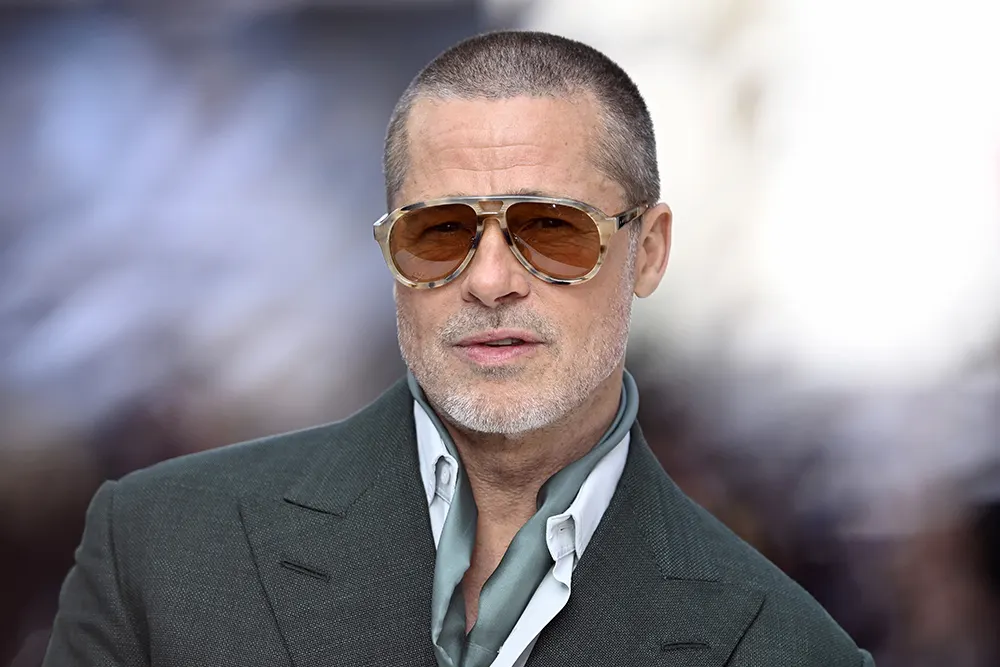
Brad Pitt has said artificial intelligence could help more mid-budget films get made if it is used as a creative tool, particularly for producing visual effects that would otherwise be prohibitively expensive. Speaking in a new Esquire cover story, the actor argued that AI could ease financial pressure on films budgeted between $40 million and $90 million, a range that has become increasingly difficult to fund in Hollywood, though he expressed more caution about AI being used to replicate actors' performances.
Pitt said the outcome would depend on who was directing the AI's use and shaping the emotional choices behind a performance, adding that any AI-generated version of his acting "might not be my choices and what I found and discovered in the thing." He also discussed the practice of body scanning actors, revealing he has had contract clauses requiring his own scans to be destroyed for the past 20 years, and noted he had recently heard an AI-generated song he thought was "pretty damn good" but ultimately repetitive compared with a real human voice.
In short
- Pitt says AI could help fund $40-90m mid-budget films if used as a tool
- He is warier about AI replicating actors' actual performances
- Pitt has long had body scans destroyed via contract; praises but critiques AI music
Steelman: both sides, in good faith
The strongest fair case each way — we don't pick a winner.
The case for
The mid-budget film sector genuinely struggles to secure funding, and if AI can reduce visual effects costs substantially, it could restore economic viability to this crucial middle ground, enabling more diverse storytelling and opportunities for emerging filmmakers. Used thoughtfully as a creative tool rather than a replacement for human artists, AI could democratise filmmaking by allowing resources to flow toward directing, writing, and performance rather than being entirely consumed by technical expenses, representing technological progress that benefits both industry and audiences seeking greater variety in cinema.
The case against
The film industry is built on human craft and expertise, particularly among visual effects artists who already face precarious employment and would bear the costs of technological displacement. More fundamentally, using AI to replicate actors or generate performances raises profound ethical concerns about consent and control over one's likeness—concerns Pitt himself illustrates through protective contract clauses. There are also legitimate questions about whether AI-generated work matches the emotional depth and authentic human creativity audiences expect, and whether economic pressures will inevitably push studios toward cheaper AI solutions even when human work would prove superior.
Explained simply
Mid-budget films sit between small independent productions and large studio blockbusters. They can need costly sets and visual effects, yet may be harder to finance because they do not have the scale or expected audience of the biggest releases. Brad Pitt is an actor and producer who has worked across different kinds of films.
Artificial intelligence can generate or alter images, sound and other material, and filmmakers are exploring how it might fit into production. Using it for visual effects could change what a film can afford, while using it to recreate an actor raises questions about control over their likeness and performance. Directors, studios and performers all have a stake in how these tools are used.
AI Art Celebrity Culture Entertainment Film Research Science Technology