Health news and discussion on TalkFuse.
Brain tumor found during preventive scan puts full-body MRIs back in the spotlight
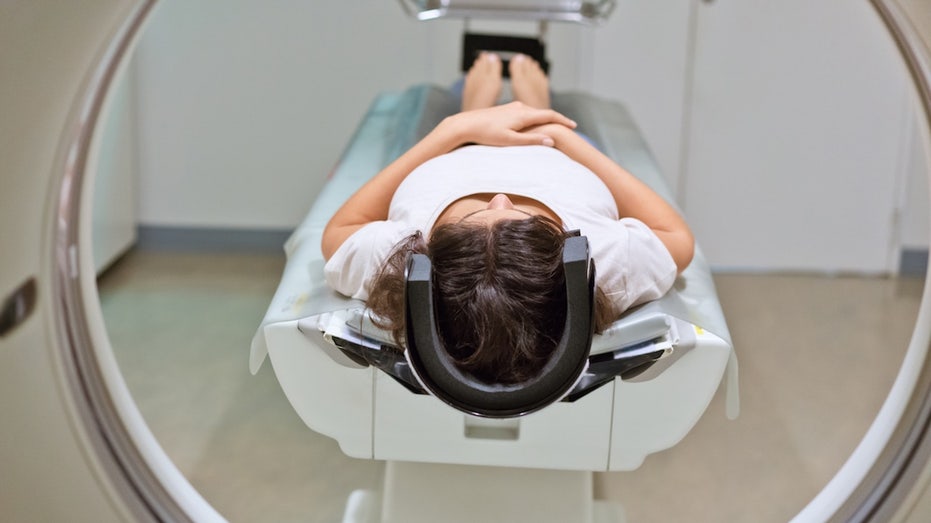
A former Bachelor contestant's discovery of a brain tumor through a preventive full-body MRI scan has renewed public interest in these screening technologies. The finding has prompted fresh discussion about the potential value of early detection, particularly as celebrities including Kim Kardashian and Paris Hilton have publicly discussed their own preventive scanning experiences.
However, the medical community remains cautious about widespread adoption of full-body MRI screening. Doctors are actively weighing both the promise of early disease detection and the potential drawbacks, suggesting that despite growing consumer enthusiasm driven by celebrity advocacy, significant questions remain about whether routine preventive scanning should become standard practice.
In short
- A former Bachelor contestant's preventive MRI found a brain tumor, reigniting debate about full-body scans for early disease detection
- Medical professionals remain divided on the benefits and risks of routine preventive full-body MRI screening despite growing celebrity endorsement and consumer interest
Steelman: both sides, in good faith
The strongest fair case each way — we don't pick a winner.
The case for
Advocates for preventive full-body MRI screening point to cases like this one as evidence that early detection can identify serious conditions before symptoms emerge, potentially saving lives. They emphasise that MRI is non-invasive and radiation-free, arguing that individuals should have autonomy in choosing proactive health measures when affordable, particularly for conditions like brain tumours that respond better to early intervention.
The case against
Medical organisations remain cautious because widespread screening of asymptomatic populations often leads to incidental findings of uncertain significance, driving unnecessary anxiety and follow-up testing that may cause more harm than benefit. They contend that without robust evidence that routine screening improves outcomes for the general population, resources are better directed toward evidence-based screening for higher-risk groups, and that celebrity advocacy, whilst well-intentioned, can create unrealistic expectations about screening's utility.
Explained simply
Full-body MRI screening is a preventive medical scan that uses powerful magnets to create detailed images of the entire body without radiation. It can potentially detect diseases including cancers and brain tumours before people develop symptoms. An increasing number of wealthy individuals and celebrities have begun using these scans as a proactive health measure.
A recent discovery of a brain tumour in a former contestant from the television show The Bachelor during a preventive scan has drawn fresh attention to this technology. The finding comes as celebrities including Kim Kardashian and Paris Hilton have publicly discussed their own experiences with preventive scanning, fuelling public interest in whether such scans could help catch serious conditions early.
Despite growing consumer enthusiasm, the medical establishment remains cautious about recommending full-body MRI screening as standard practice. Doctors are weighing the potential benefits of early disease detection against possible drawbacks, and experts have not yet reached consensus on whether such scans should become routine.