World news and discussion on TalkFuse.
Brand new planet twice the size of Earth could be hiding behind Neptune, experts say
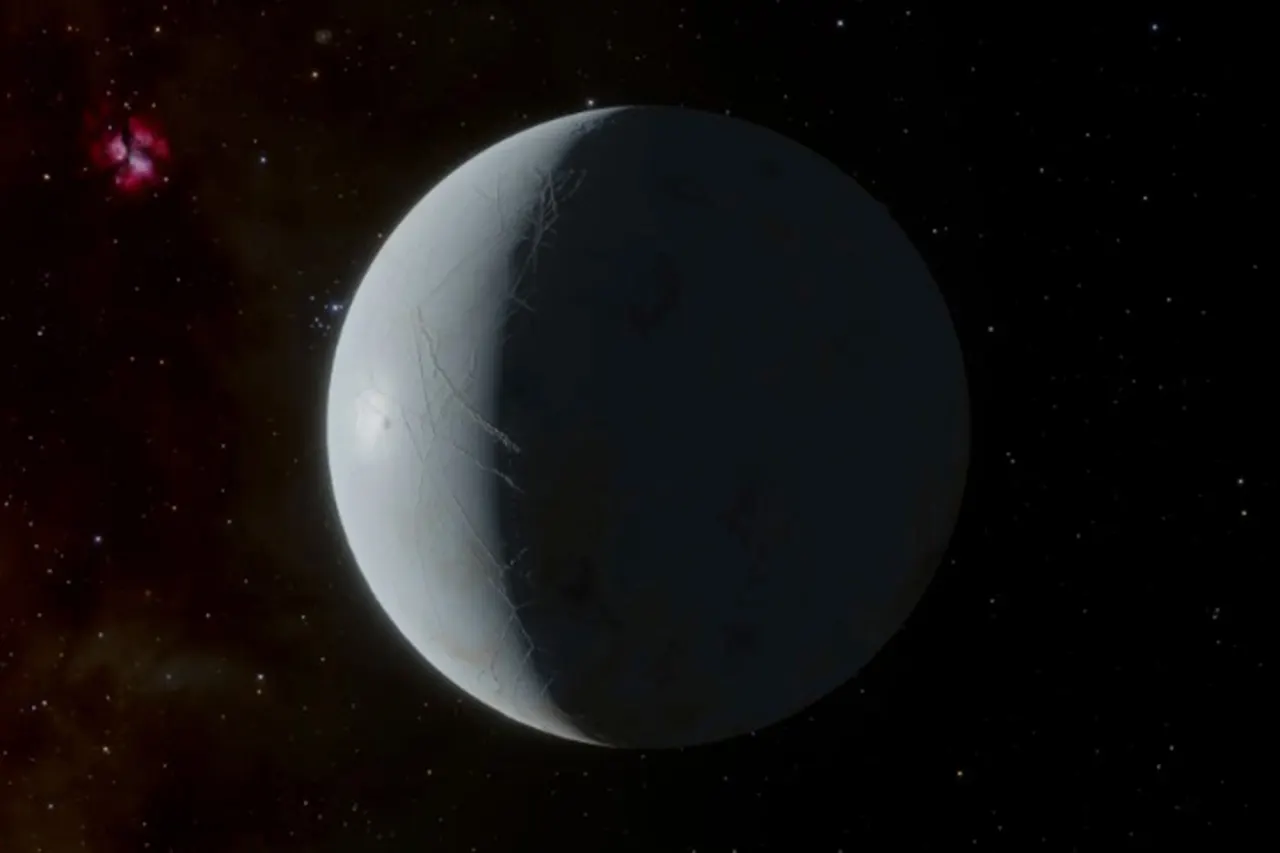
Astronomers have proposed a hypothetical planet beyond Neptune, named PX2, to help explain the unusual paths of distant icy objects in the Solar System. Its existence is unconfirmed, but the idea matters because finding such a planet could change scientists’ understanding of how the Solar System formed and evolved.
The researchers used computer simulations spanning 4.5 billion years to compare the known giant planets’ effects with models that included additional distant worlds. They estimate PX2 would have one to two times Earth’s mass and orbit tens of billions of miles from the Sun; future observations by Chile’s Vera C. Rubin Observatory may help test the theory. PX2 is distinct from the more massive, also-unconfirmed Planet Nine hypothesis.
In short
- A proposed planet called PX2 may lie beyond Neptune.
- It could help explain the orbits of distant icy objects.
- Its existence remains unproven.
Explained simply
Neptune is the most distant of the Solar System’s eight confirmed planets. Beyond it are many small, icy objects, including some whose long, stretched-out orbits are difficult to explain using the known planets alone.
Astronomers use computer models to study how the planets’ gravity shapes these distant objects’ paths. One proposed explanation is an unseen planet called PX2, estimated to have one to two times Earth’s mass and to orbit far beyond Neptune. Its existence has not been confirmed.
PX2 is separate from another proposed world, Planet Nine, which is thought to be much more massive. Observations from Chile’s Vera C. Rubin Observatory may help test whether PX2 or another explanation best fits the evidence, with implications for how scientists understand the Solar System’s history.