Brazil heads to the polls as son of jailed former president Jair Bolsonaro bids to enter office
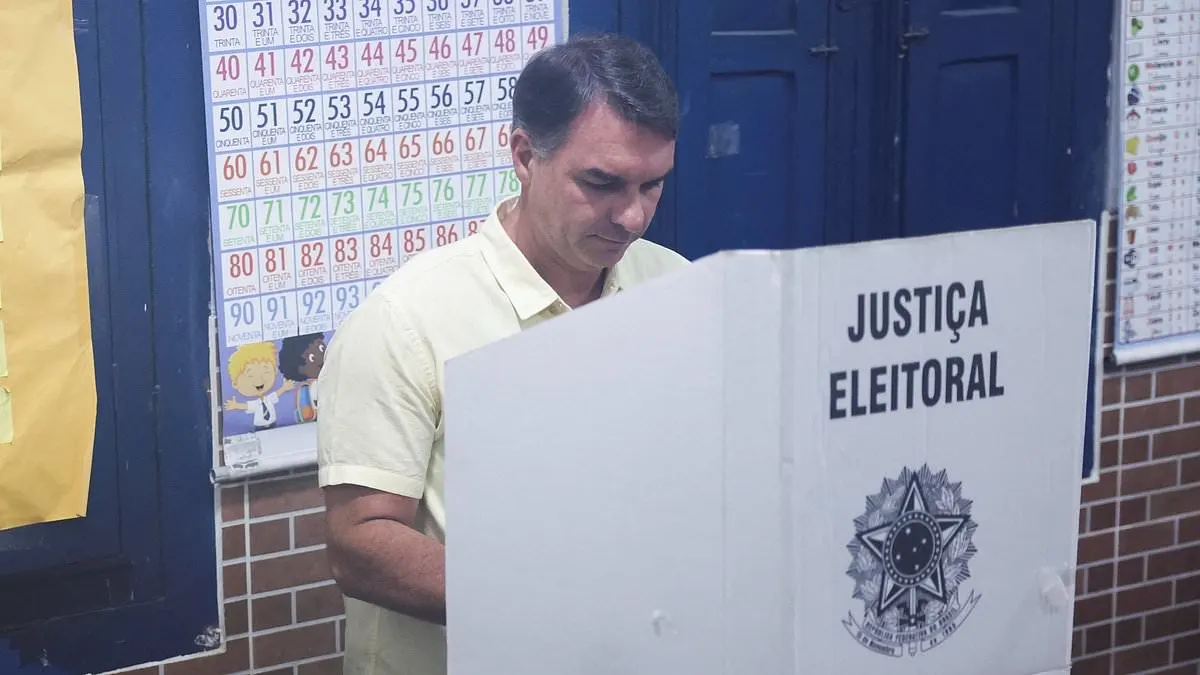
Brazil’s presidential run-off pits Senator Flavio Bolsonaro, son of jailed former president Jair Bolsonaro, against incumbent Luiz Inácio Lula da Silva. The close contest could determine whether Brazil continues under left-wing leadership or joins a regional shift to the right, with voters weighing proposals on crime, public spending and social support.
Final polls put the candidates neck and neck after Bolsonaro finished second in the first round. Voting hours were extended by two hours after complaints that transport problems had prevented some people from reaching polling stations. Lula, 80, is seeking a fourth non-consecutive term and points to lower inflation and unemployment, while voters also cite living costs and insecurity; Flavio Bolsonaro, 45, has promised to free his father if elected.
In short
- Brazil’s presidential run-off is a close contest between Lula and Flavio Bolsonaro.
- Voting was extended by two hours after transport problems.
- The result could shape Brazil’s political direction and policies.
Steelman: both sides, in good faith
The strongest fair case each way — we don't pick a winner.
The case for
Supporters of Flavio Bolsonaro may see his candidacy as a chance to strengthen a law-and-order response to crime and curb public spending, while bringing a change in direction after years of left-wing leadership. They may also view his promise to free his father as a commitment to redress what they consider unjust treatment of a popular political figure.
The case against
Supporters of Lula may argue that lower inflation and unemployment under his government offer a basis for continuity, alongside social support for people facing high living costs. They may also see Flavio Bolsonaro’s pledge to free his jailed father as a threat to the independence of legal institutions, and prefer Lula’s experience to address insecurity without that risk.
Explained simply
Brazil elects its president in two rounds if no candidate wins a majority in the first. Luiz Inácio Lula da Silva leads the Workers’ Party, while Senator Flavio Bolsonaro is a member of the Liberal Party and the son of Jair Bolsonaro, who was president from 2019 to 2023.
Lula has held office before, and his governments have supported social programmes alongside public spending. Jair Bolsonaro’s presidency was associated with a more conservative approach, and his son’s campaign draws on that political legacy. The contest reflects different views on crime, the cost of living and the role of government.
Brazil is Latin America’s largest country, so its political direction can influence debate across the region. The president also has a central role in setting national policy and proposing public spending.
Americas Elections Government Politics World