World news and discussion on TalkFuse.
Brazil: Lula Wins Historic Fourth Presidential Term Beating Far-Right Challenger Flávio Bolsonaro
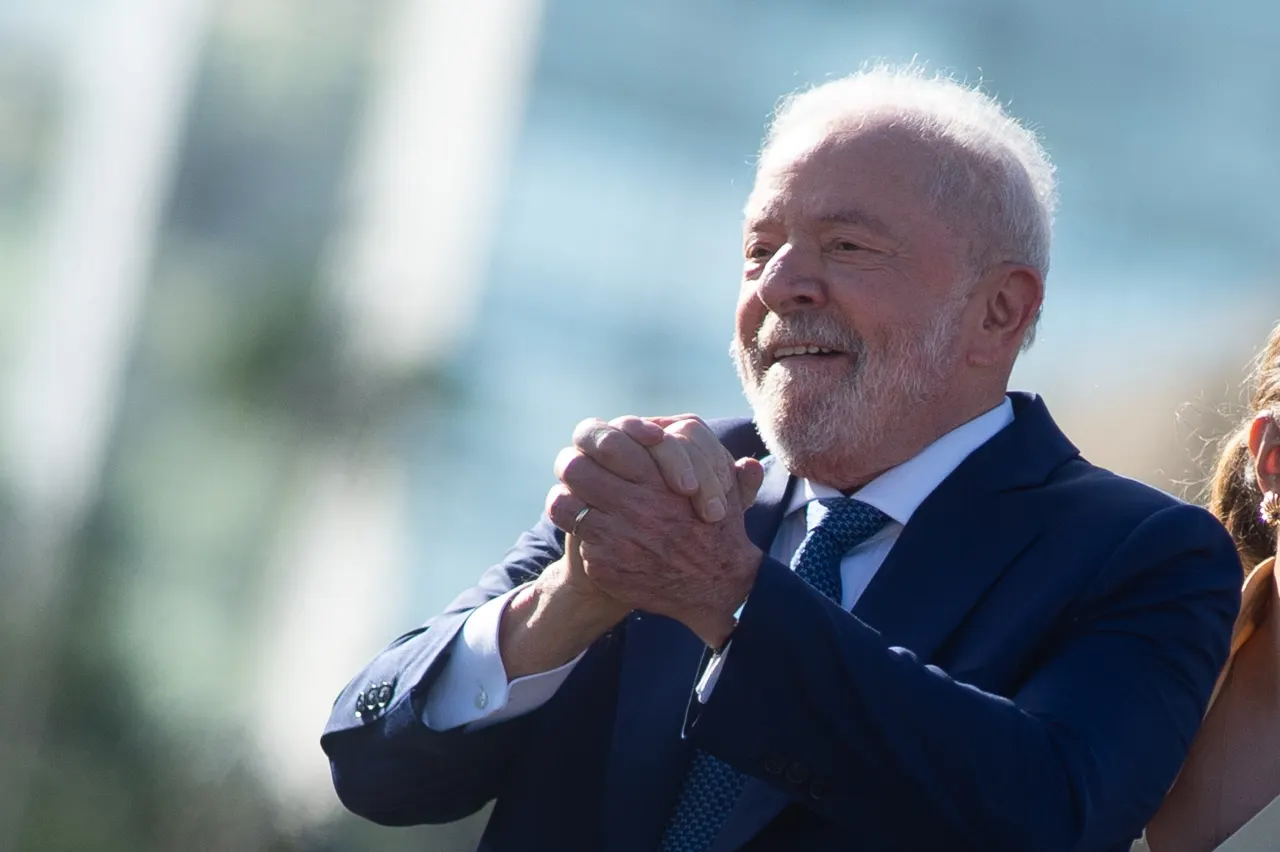
Luiz Inácio Lula da Silva has won a fourth term as Brazil’s president, defeating far-right challenger Flávio Bolsonaro with 51.79% of the vote. The result is historic: Lula is the first Brazilian president since 1988 to win after losing the first round, and his victory reverses the conservative lead from that stage.
Bolsonaro, son of former president Jair Bolsonaro, has refused to concede and called for the results to be annulled. Polling was extended by two hours after both campaigns raised concerns about voters’ access during transport disruption and heavy rain. Lula gained more than 10 million votes compared with the first round, including 1.3 million in the south, a traditional Bolsonaro stronghold; in his victory speech, he described the result as a defeat for denialism and lies.
In short
- Lula wins a fourth term with 51.79% of the vote.
- He becomes the first Brazilian president since 1988 to win after losing the first round.
- Bolsonaro refuses to concede and seeks annulment of the result.
Steelman: both sides, in good faith
The strongest fair case each way — we don't pick a winner.
The case for
Supporters can argue that Lula’s narrow but clear victory reflects voters’ choice to restore a government they associate with social protection and democratic institutions. His gains since the first round, including in a traditional Bolsonaro stronghold, suggest a broad coalition, and the reported extension of polling hours addressed concerns about access to voting.
The case against
Critics can argue that a closely divided result calls for careful scrutiny, especially given the campaigns’ concerns about whether transport disruption and heavy rain impeded access to polling. They may also contend that calls to annul the result should be assessed through evidence and lawful procedures, so that confidence in the outcome rests on transparent verification rather than political assertion.
Explained simply
Brazil elects its president in two rounds when no candidate wins a majority in the first. Luiz Inácio Lula da Silva, commonly known as Lula, is a veteran leader of the Workers’ Party who previously served as president from 2003 to 2010. Jair Bolsonaro, a former president, is a prominent figure on the political right.
Flávio Bolsonaro is Jair Bolsonaro’s son and a senator. The contest reflects a broader divide over Brazil’s political direction, including the role of the state and social policy. Brazil is Latin America’s largest country, so its leadership can affect the region and its relations with major powers.
Americas Elections Government Politics World