World news and discussion on TalkFuse.
Breaking down how the Yankees roster would be crunched by an MLB salary cap
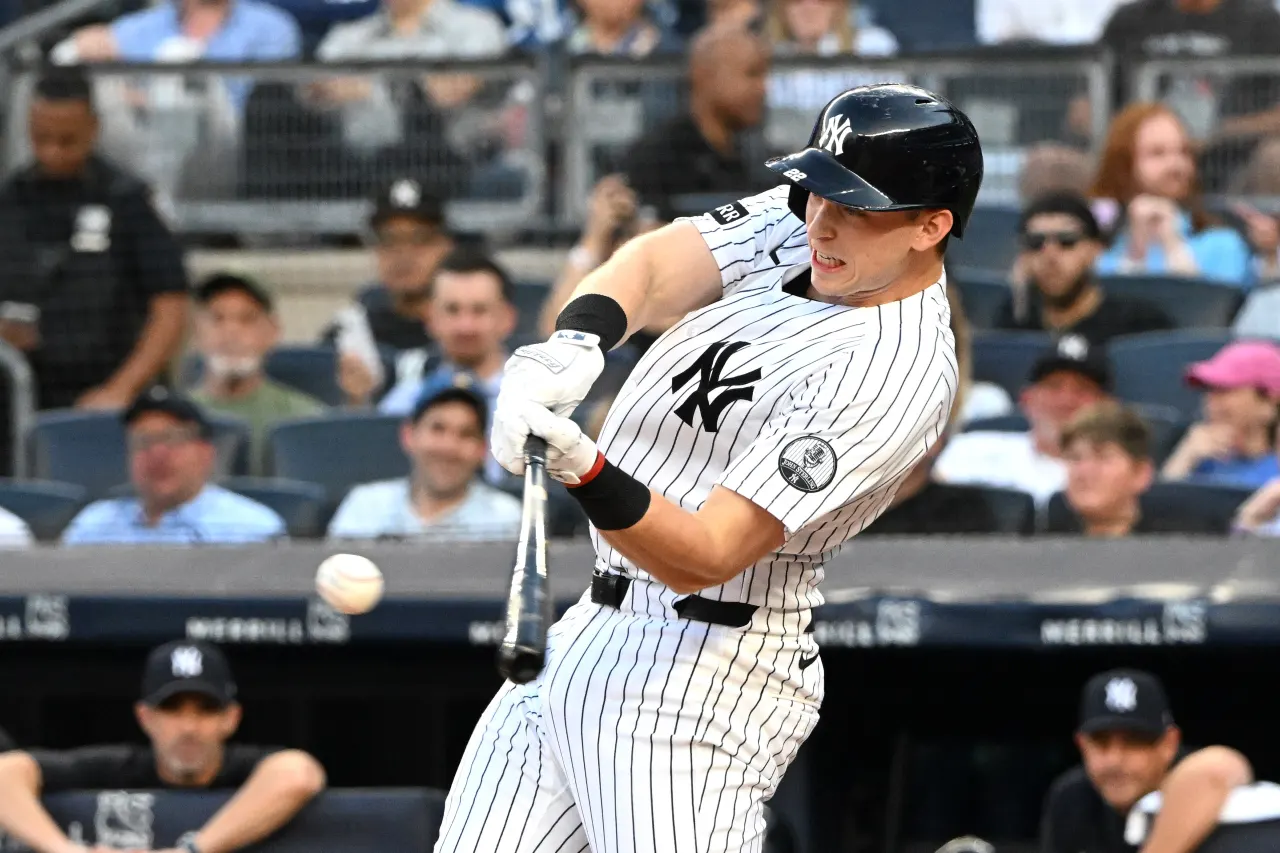
MLB commissioner Rob Manfred’s statement that owners are unlikely to agree to a new collective bargaining agreement without a salary cap has raised the prospect of a major labour dispute. The proposed system could constrain the Yankees, whose high payroll and large contracts make them a prominent example of how a cap might affect teams.
MLB has suggested a $180.2 million payroll floor and a $258.2 million ceiling, starting in 2028, alongside a proposed maximum individual salary of $38.7 million. Those figures remain open to negotiation, and the article notes that Aaron Judge’s $40 million annual salary through 2031 would pose a complication. The proposed terms are not expected to remain unchanged, but they provide a basis for estimating the impact on the 2026 and 2028 Yankees.
In short
- MLB says a new agreement must include a salary cap.
- The proposed 2028 payroll ceiling is $258.2 million.
- Aaron Judge’s $40 million salary exceeds the proposed individual limit.
Steelman: both sides, in good faith
The strongest fair case each way — we don't pick a winner.
The case for
Supporters could argue that a salary cap would curb runaway spending, give more clubs a fair chance to compete and make costs more predictable for owners. A payroll floor alongside the ceiling could also require low-spending teams to invest more in players, while encouraging large-market clubs such as the Yankees to build within shared limits.
The case against
Opponents could argue that a cap would restrict players’ ability to earn what the market will pay and could limit clubs’ freedom to use their own revenues to pursue talent. For the Yankees, existing commitments such as Aaron Judge’s contract would make adjustment difficult; more broadly, critics may see a cap as protecting owners from competition over player pay without guaranteeing that savings reach fans.