Technology news and discussion on TalkFuse.
Brexit LIVE:Nigel Farage to tear into Andy Burnham’s ‘Brexit betrayal’ in major speech
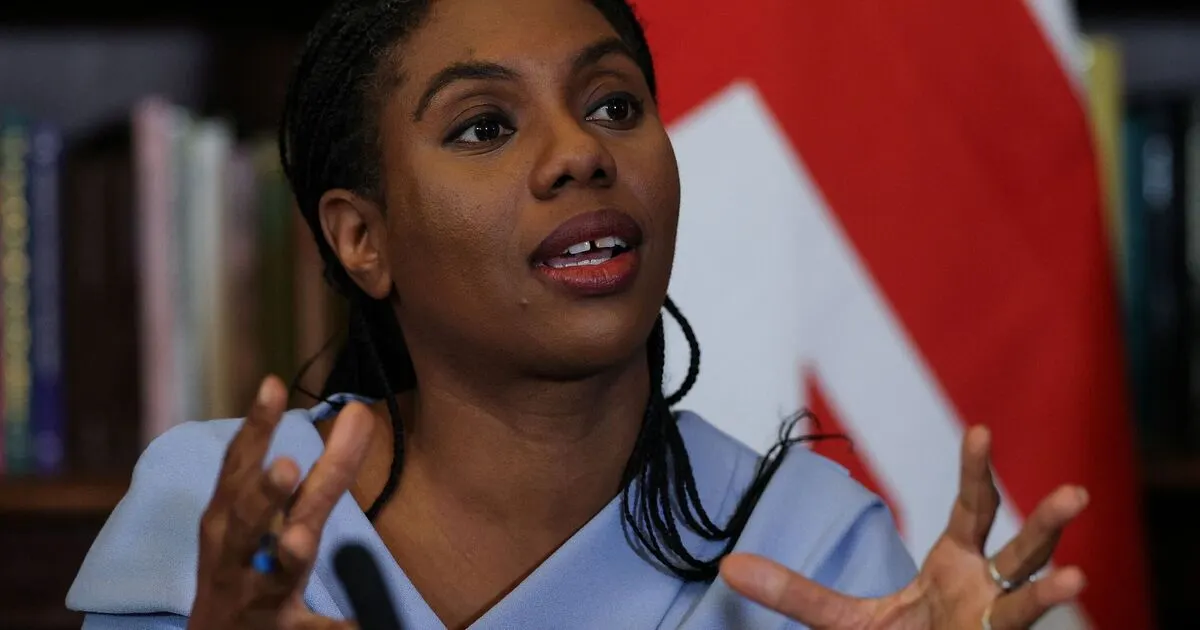
Andy Burnham defended a new agreement with the EU in the Commons, describing it as a pragmatic way to support growth, jobs and border security. Kemi Badenoch criticised the deal, arguing it could raise costs for businesses and farmers and increase competition for jobs among young people.
The agreement covers food, emissions trading and youth mobility, following an EU summit last Friday. Burnham said legislation would be introduced this week, with MPs expected to hold a second-reading debate before Christmas; the food and agriculture arrangements are not due to take effect until March 2028. He denied the deal was a step towards another Brexit referendum and said he would back further cooperation when he judged it to be in Britain’s national interest.
In short
- Burnham defended a new EU agreement in Parliament.
- Badenoch warned it could raise costs and job competition.
- MPs may debate implementing legislation before Christmas.
Steelman: both sides, in good faith
The strongest fair case each way — we don't pick a winner.
The case for
Supporters can argue that practical agreements with the EU on food, emissions and youth mobility may reduce barriers, support business and farming, and help protect jobs and border security. They may see selective cooperation as a pragmatic way to promote growth while preserving the UK’s ability to judge each proposal on its merits.
The case against
Critics can argue that closer arrangements may impose costs on businesses and farmers and expose young people to more competition for jobs. They may also worry that agreements of this kind could deepen UK commitments to the EU without sufficient scrutiny or public consent, even if ministers say they do not amount to a step towards another referendum.
Explained simply
The UK left the European Union in 2020, ending its membership of the EU’s single market and customs union. Since then, the UK and EU have made agreements on how to manage trade and other shared issues.
Andy Burnham has defended a new agreement covering food, emissions trading and youth mobility, while Conservative leader Kemi Badenoch has raised concerns about its possible effects on businesses, farmers and young workers. The arrangements are intended to shape practical ties between the UK and EU, and their costs and benefits are being debated.
Nigel Farage leads Reform UK, which has argued that closer EU ties can undermine the result of Brexit. The dispute matters because the agreement could affect trade, jobs and border arrangements, as well as the future direction of UK-EU relations.