Business news and discussion on TalkFuse.
UK and EU urged to ease post-Brexit business travel restrictions
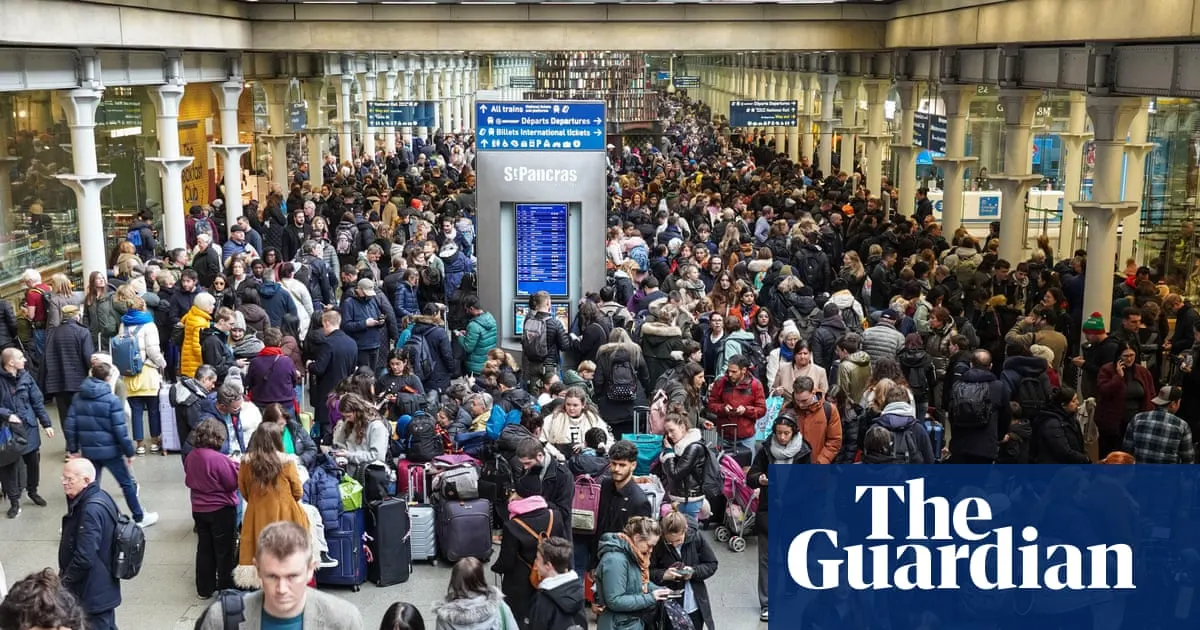
Business leaders are urging the UK and EU to ease post-Brexit rules for cross-Channel work travel, arguing that permits and time limits are discouraging investment and hindering trade. The CBI says the issue should be a priority in efforts to improve UK-EU ties in 2027, particularly as both sides seek to strengthen supply chains and compete with China.
UK travellers can spend only 90 days in the EU within any 180-day period, and workers may need a separate permit for each country they visit. The restrictions affect sectors including energy, defence, engineering and car manufacturing, where staff travel to run operations or service equipment; the CBI says changes to an annex of the trade agreement could expand visa-free business travel without reopening the main treaty. It also says talks have made no progress on mutual recognition of professional qualifications.
In short
- CBI says Brexit travel rules are hindering trade and investment.
- UK citizens face a 90-day limit in the EU within 180 days.
- The CBI proposes expanding visa-free business travel through treaty changes.
Steelman: both sides, in good faith
The strongest fair case each way — we don't pick a winner.
The case for
Easing the rules could help companies send specialists across the Channel to install, maintain and support equipment, reducing delays and making cross-border investment more practical. Supporters argue that targeted visa-free travel and recognition of qualifications would strengthen supply chains and help both sides compete, while changes to an existing agreement annex could avoid reopening the wider treaty.
The case against
The current limits give governments control over who may work in their countries and help distinguish short business visits from employment that should require national permission. Relaxing them could raise concerns about oversight, fair competition and differing professional standards; governments may also judge that any economic gains do not outweigh the complexity of negotiating and enforcing new arrangements.
Explained simply
Since the UK left the EU, people travelling between them for work have faced limits on how long they can stay and, in some cases, must get permission to work in each country. These rules sit alongside the wider travel arrangements and trade agreement between the UK and EU.
The restrictions matter to companies whose staff cross the Channel to install or repair equipment, oversee operations or carry out other work. Energy, engineering, defence and car manufacturing are among the sectors where such travel can be important.
The UK and EU are also discussing how to make their relationship work more smoothly while strengthening supply chains and competing internationally. A separate issue is whether each side will accept the other’s professional qualifications, which can affect where people are allowed to work.
Business Culture Europe Government Politics Travel UK World
Read the full article at the source →
Originally published by The Guardian as “Brexit work travel rules need urgent improvement, say UK business leaders”.