Bridget Phillipson accuses senior Reform and Conservative politicians of making racist statements
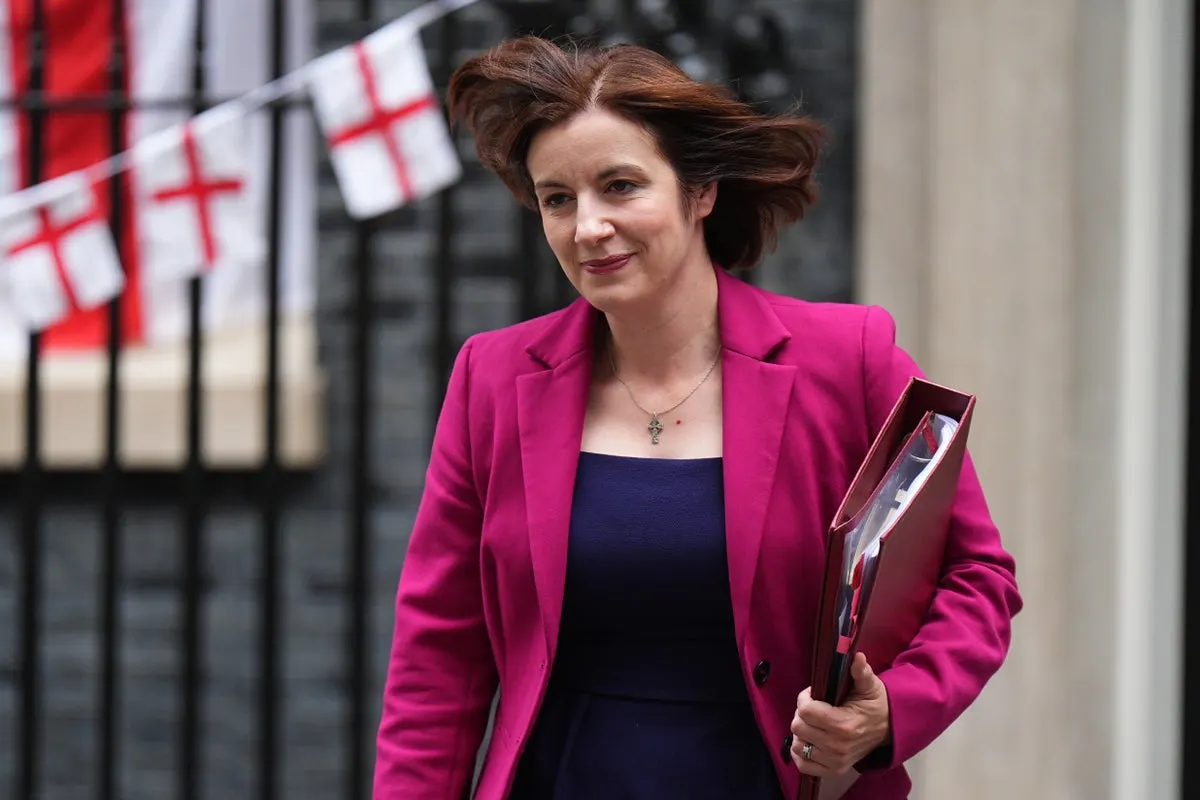
Equalities minister Bridget Phillipson has accused senior figures in Reform UK and the Conservative Party of making racist statements, as part of a wider warning that racism and sexism are becoming "normalised" in Britain. Speaking on the Guardian's Politics Weekly podcast, she named Conservative shadow justice secretary Nick Timothy and Reform UK's Robert Jenrick, rejecting suggestions she was simply "calling them names" by making the accusation.
Phillipson cited Timothy's description of prayer at a public Iftar event as an "act of domination and division", and Jenrick's remark that he "didn't see another white face" during a visit to Birmingham last October, saying she believed neither would make similar comments about any other group. She also expressed concern about rising misogyny, criticising police failings on violence against women and girls, and referenced her earlier Commons clash with Conservative leader Kemi Badenoch, who had branded her a "spiteful class warrior". The Independent has approached both Jenrick and Timothy for comment.
- Phillipson accuses Timothy and Jenrick of making racist statements
- She warns racism and misogyny are becoming "normal" in the UK
- Also criticises police failings on violence against women and girls
New here? Start with this
Bridget Phillipson is a Labour politician and the government’s equalities minister, responsible for work on equality and discrimination. Reform UK and the Conservatives are opposition parties; Robert Jenrick and Nick Timothy are senior figures in those parties.
Public debate about racism often centres on how words and actions affect different communities, and whether criticism of them is justified. Iftar is the meal that breaks the daily fast during Ramadan, and public events marking it bring people from different backgrounds together.
The issue matters because claims about racism and sexism can shape political debate and how people feel represented. It also raises questions about how public figures discuss race and religion, and how institutions respond to discrimination and violence against women.
Both sides, in good faith
The strongest fair case each way — we don't pick a winner.
The case for
The statements in question reveal concerning patterns of bias when examined in context. Timothy's characterisation of interfaith prayer as 'domination and division' targets religious practice of a minority group in ways critics argue would not be applied to Christian or secular gatherings—it weaponises language of threat against Muslim participation in public institutions. Similarly, Jenrick's observation about not seeing 'another white face' in Birmingham, whether framed as surprise or mere comment, singles out skin colour in a manner that implicitly casts non-white British citizens as 'others' in their own communities. These statements, taken together, normalise a framework where minority groups' presence and practices are constructed as alien threats rather than legitimate features of plural British society.
The case against
Critics of these accusations argue that legitimate political commentary is being conflated with racism. Timothy's critique of institutional religious practices, framed as concerns about secular-religious boundaries in public spaces, need not reflect animus against Muslims as people; substantive disagreement about when religious observance belongs in public institutions represents good-faith political debate. Jenrick's remark was a straightforward demographic observation about a location he visited, not necessarily a negative judgment about non-white British citizens or an assertion they don't belong. This perspective holds that distinguishing between criticising practices or policies and harbouring racial animus is crucial to honest political discourse; expanding racism's definition to encompass any statement mentioning ethnicity risks making substantive debate impossible and weakening the term's moral force.