Politics news and discussion on TalkFuse.
Brit rail cops bring live facial recognition to the London Underground
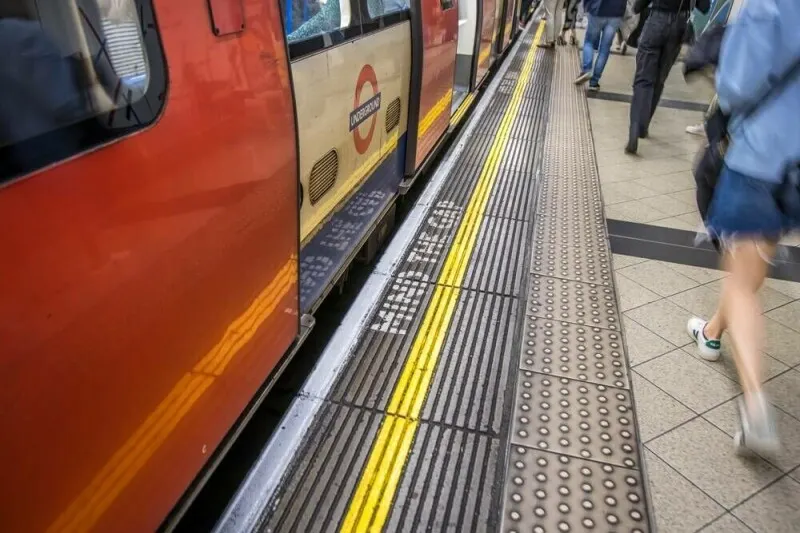
British Transport Police is extending its live facial recognition trial to the London Underground, beginning at Victoria station before rotating cameras through Tube and Network Rail locations until November. The move matters because it brings police face-scanning into one of the country’s busiest public transport systems, intensifying debate over privacy, surveillance and the risk of wrongful identification.
The trial began at London Bridge in February and uses NEC’s NeoFace M40 algorithm to compare people in a camera’s view with police watchlists; officers review any potential match before acting. BTP says non-matching images are deleted immediately, while critics argue the technology could capture millions of innocent passengers and may disproportionately misidentify ethnic minority people. The Underground carries an estimated 3.7 million weekday journeys, and a survey of 2,000 UK adults found 69% wanted public input on its use, with 61% concerned that errors could wrongly implicate people.
In short
- Facial recognition trial expands to Victoria Underground station.
- Cameras will rotate across Tube and rail stations until November.
- Privacy groups warn of widespread surveillance and misidentification.
Steelman: both sides, in good faith
The strongest fair case each way — we don't pick a winner.
The case for
Supporters of the trial argue that live facial recognition offers law enforcement a powerful tool to identify wanted suspects and serious criminals in real time across one of the country's busiest transport hubs, potentially preventing crime and assisting investigations. With human officers reviewing any match before action is taken and non-matching images deleted immediately, proponents contend the technology includes sufficient safeguards to justify its use in public spaces already subject to CCTV surveillance. They maintain that the security benefits in a high-traffic location justify the deployment, particularly where it may help identify individuals linked to serious offences.
The case against
Critics argue that mass facial scanning of millions of innocent commuters fundamentally breaches privacy rights and constitutes dragnet surveillance without explicit democratic consent, regardless of deletion protocols. They point to documented algorithmic bias that misidentifies ethnic minorities at higher rates, meaning the technology poses particular risks to vulnerable groups and risks wrongful identification with serious consequences. With 69% of surveyed adults believing such deployments warrant public consultation before implementation, opponents contend this represents surveillance by stealth rather than justified security measure.
Explained simply
British Transport Police polices crime and security across Britain’s railways and Tube network. Live facial recognition compares faces seen by cameras with a police watchlist; officers are meant to check a possible match before taking action.
The technology raises questions about privacy and accuracy in busy public spaces. Supporters say it may help police identify people they are seeking, while critics worry that innocent passengers could be scanned and that errors may affect some ethnic groups more than others.
Those concerns matter on the Underground, which carries millions of journeys on a typical weekday. Public views are also divided over whether people should have a say in how and where the technology is used.