World news and discussion on TalkFuse.
Britain caught in ‘China trap’ as net zero blamed for fuelling dependence on superpower
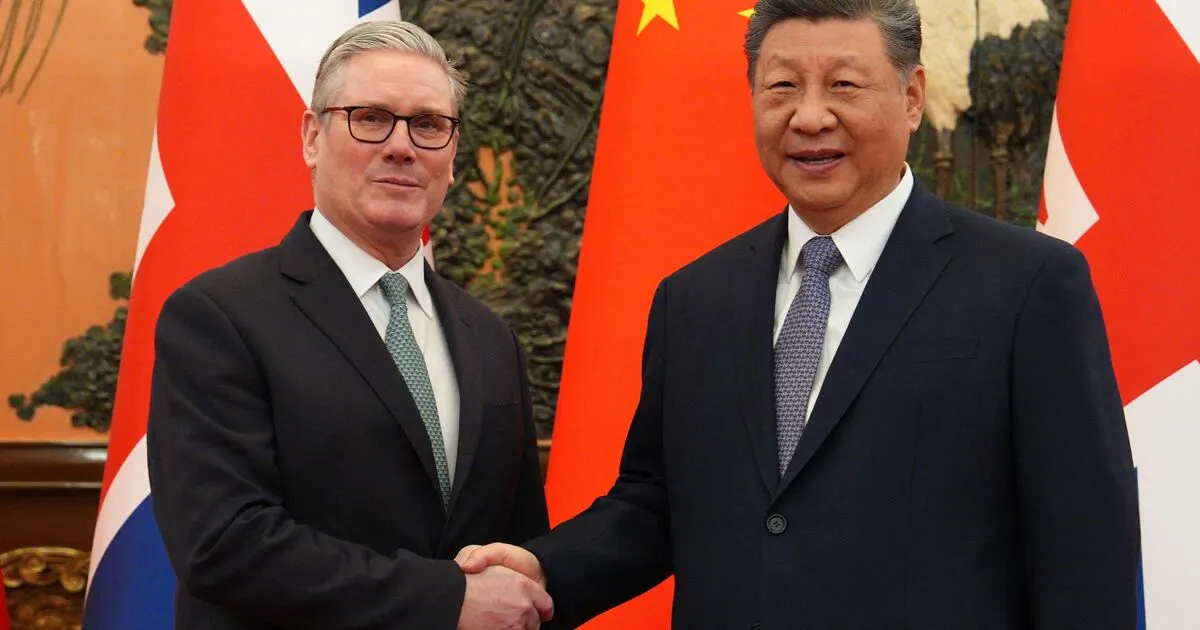
A Policy Exchange report warns that Britain’s drive towards net zero has increased reliance on China for clean energy technology and critical materials, potentially exposing the UK to strategic pressure. Its contributors argue that energy security and national interests should shape the transition, while acknowledging the need to address climate change.
The report calls for an audit of British industry’s dependence on Chinese suppliers and for safeguards against remote access to energy technology. It also proposes a clean energy security alliance involving the US, Canada, Japan, South Korea, Australia, New Zealand and the EU. The Government says the transition is creating 400,000 jobs, strengthening supply chains and building a more secure energy system.
In short
- Report warns of UK dependence on China for clean energy.
- It proposes an industry audit and technology safeguards.
- Government says the transition supports 400,000 jobs.
Steelman: both sides, in good faith
The strongest fair case each way — we don't pick a winner.
The case for
A rapid shift to clean energy can create strategic vulnerabilities if key technologies, materials or software depend heavily on one foreign power. Auditing those dependencies, securing systems against remote access and diversifying supply through allied countries could make the transition more resilient while still addressing climate change.
The case against
Dependence on Chinese suppliers does not by itself show that net zero has weakened Britain’s security; the transition can also strengthen supply chains, create jobs and reduce exposure to imported fossil fuels. Building domestic capacity and working with a broad range of partners may address risks without treating clean energy policy as the cause of them or slowing the transition needed to tackle climate change.
Explained simply
Net zero means reducing greenhouse gas emissions to as close to zero as possible, mainly by replacing fossil fuels with cleaner energy. Britain’s transition includes expanding wind and solar power and using technologies such as batteries, which rely on materials and components made around the world.
China is a major supplier of many clean energy technologies and critical materials. This has raised questions about whether reliance on one country could leave Britain’s energy system exposed to supply disruption, political pressure or security risks.
The debate is about how to cut emissions while keeping energy supplies dependable and protecting national interests. It also involves jobs, the resilience of supply chains and how Britain works with other countries.