Britain’s power imports hit a record £4bn in year to August
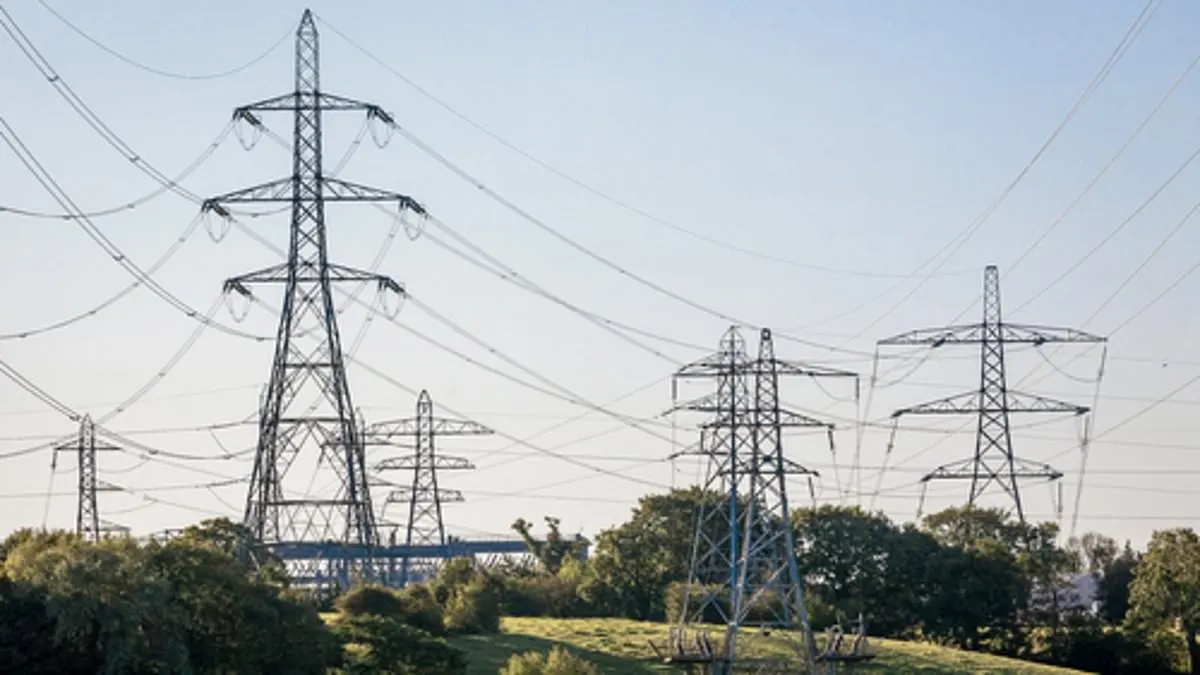
Britain is increasingly dependent on imported electricity, with the UK spending a record £4 billion on power from the EU and Norway in the year to August. The figures have prompted criticism from Conservative shadow energy secretary Andrew Bowie, who says the country should be more self-sufficient, while the Government’s 2030 clean power target faces scrutiny over energy security.
The UK spent £473 million on electricity imports in August, the highest total for a summer month; only three months since 2020 were more expensive, all during the Ukraine crisis and winter. The National Energy System Operator expects around 5.5 gigawatts of the 60GW needed this winter to come from abroad. Ministers are also considering approval for the Rosebank oil field and Jackdaw gas field in the North Sea, with decisions expected later this week.
- UK power imports cost a record £4 billion in the year to August.
- About 5.5GW of winter generation is expected to come from overseas.
- Ministers are weighing approval for two North Sea oil and gas fields.
New here? Start with this
Britain has long imported and exported electricity through cables connecting its grid to other countries, including EU neighbours and Norway. Imports can help balance supply when demand is high or domestic power stations produce less, while exports allow Britain to sell surplus electricity.
The National Energy System Operator manages the flow of electricity across the UK grid and estimates how much supply may be needed. The Government’s clean power target for 2030 is intended to reshape how electricity is generated, and has raised questions about how to keep supplies reliable as the energy system changes.
Conservative shadow energy secretary Andrew Bowie has argued for greater self-sufficiency. Ministers also face decisions about new North Sea oil and gas projects, including Rosebank and Jackdaw, which are part of a wider debate about domestic energy production and Britain’s energy needs.
Both sides, in good faith
The strongest fair case each way — we don't pick a winner.
The case for
A strong case for greater self-sufficiency is that relying on imported electricity can expose households and businesses to high prices or supply disruption when neighbouring countries face the same pressures. Domestic generation and firm capacity could improve resilience and give the UK more control over its energy security, particularly as demand grows.
The case against
Imports can help keep the lights on and prices lower by allowing Britain to draw on electricity when domestic supply is tight, while exporting when it has a surplus. Building more self-sufficiency at any cost could mean expensive or underused capacity; a well-connected system, paired with clean domestic generation and storage, may offer security more efficiently.
Business Europe Markets UK World
Read the full article at the source →
Originally published by Daily Mail as “Britain ‘faces relying on EU to keep the lights on this winter’ as power imports soar”.