Weird & Viral news and discussion on TalkFuse.
Ministers probe whether Russell Brand breached prison rules through public statement
Developing story first seen 9 hours ago
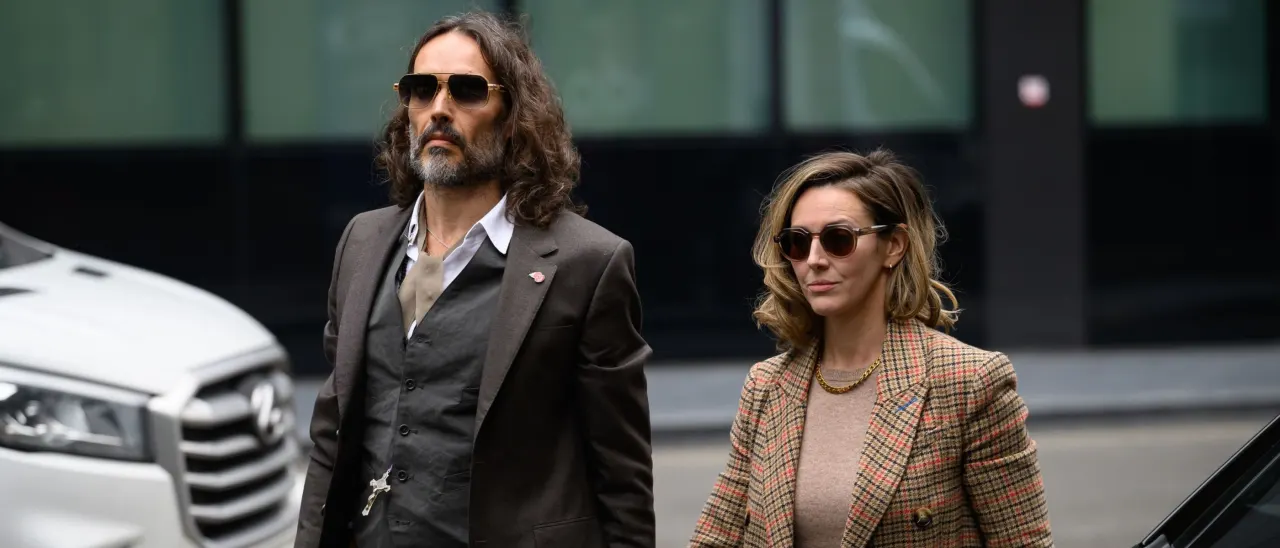
The UK government is urgently investigating whether Russell Brand broke prison rules by sending supporters a message declaring his innocence. Ministers say prisoners are barred from making statements that could distress victims, and the rules may apply even when someone else broadcasts an inmate’s words.
Brand’s wife, Laura, read the message on their YouTube show. Prison guidance dating from 2010 permits media contact only in exceptional cases; possible penalties include restrictions on visits, phone calls or other privileges. A jury convicted Brand of rape and three counts of sexual assault involving four women, and he was sentenced on 9 November to 10 years and six months; he was acquitted of three other charges.
- Sources
- 2
- Outlets
- 2
- Left · Centre · Right
- 0 · 0 · 2
In short
- Officials are urgently investigating Brand’s prison message.
- His wife read his claim of innocence on YouTube.
- Brand received a 10-year, six-month sentence after four convictions.
How this story developed
- 3 hours ago The government’s account stressed that the restrictions on prisoners’ statements date back at least to 2010 and may cover words broadcast by someone else, with loss of visits or other privileges among the possible penalties.
- 3 hours ago Ministers began urgently checking whether Russell Brand had breached prison rules by sending a message proclaiming his innocence, which his wife Laura read on their YouTube show; Brand had been convicted of rape and three sexual assaults, sentenced to 10 years and six months, and acquitted of three other charges.
Full account
Ministers are examining whether Russell Brand broke prison rules by issuing a public statement from custody in which he said he was innocent of the offences for which he had been jailed. His wife, Laura Gallacher, read the message on the couple’s YouTube programme, Sunday Service. The BBC reported that Downing Street described the broadcast as appalling and said it was being urgently investigated. Justice Secretary Alex Norris also called it unacceptable and said he expected action if a breach were established.
Government guidance says prisoners may contact the media by letter, telephone or visit only in exceptional circumstances. The Prime Minister’s spokesman said inmates must not make statements that cause distress to victims, and that this restriction cannot be avoided by asking another person to publish their words. The reported guidance dates from 2010 and applies in England and Wales. Possible sanctions include limits on social visits and other privileges, blocking telephone numbers or closer monitoring of calls.
The concern is that Brand’s public denial could cause further distress to survivors. London victims’ commissioner Andrea Simon told BBC Radio 4 that hearing the innocence claim could retraumatise his victims and other survivors of rape. A jury convicted Brand of rape and three counts of sexual assault involving four women. He was sentenced on 9 November to ten years and six months in prison; jurors acquitted him of two other rape charges and one attempted indecent assault charge. He has been moved from HMP Wandsworth to HMP Littlehey, which mainly holds sex offenders.
The Daily Mail’s report, included among the material supplied, focuses instead on Brand’s former rented home in Florida and the family’s return to Britain before his trial. It says the six-bedroom property in Santa Rosa Beach has since been let to another family, and quotes its manager saying Brand and his family no longer live there and do not own it. The report also discusses the transfer of his Henley-on-Thames home to Gallacher shortly before trial and possible civil claims. Those property details do not address the prison-rule investigation, which is the focus of the BBC account.
Where outlets differ
From the full account, which is AI-written from the sources:
The BBC report centres on the investigation into whether a statement made through Brand’s wife breached prison rules, the possible consequences, and victims’ concerns. The Daily Mail material centres on Brand’s former Florida residence and property matters; it does not report on the prison-rule inquiry.
The supplied BBC account says a jury convicted Brand of one rape count and three sexual assault counts, while the Daily Mail material refers more generally to his conviction for rape and sexual assault. The BBC account also lists the charges on which he was acquitted.
Steelman: both sides, in good faith
The strongest fair case each way — we don't pick a winner.
The case for
The restrictions aim to protect victims from further distress and prevent prisoners from using public platforms to undermine the consequences of a conviction. Applying them when a message is relayed by someone else could close an obvious loophole and preserve consistent rules, while still allowing exceptions in genuinely exceptional cases.
The case against
A prisoner’s ability to state that he maintains his innocence can be seen as part of freedom of expression and a fair debate about a conviction, especially where he was acquitted of some charges. Punishing a message because it might upset victims risks restricting speech on a subjective basis; any limits should be clear, proportionate and carefully distinguished from threats, harassment or direct contact.
Explained simply
Russell Brand is a British comedian and broadcaster. Prison rules limit how inmates can communicate with the media, allowing contact only in exceptional circumstances; breaches can lead to the loss of visits or other privileges.
Brand’s wife, Laura, read a message from him on their YouTube show. A jury convicted him of rape and three sexual assaults involving four women, and he was acquitted of three other charges. The rules are relevant because they may cover an inmate’s words even when someone else broadcasts them.
Coverage · 2 sources
Bias meters
From 2 rated sources.
Offbeat Politics UK Weird & Viral World
Read the full article at the source →
Originally published by The Daily Caller as “Britain Investigates Russell Brand For Saying He’s Innocent Because It Might Upset His Victims”.