Britain is still counting the cost – and paying the price – of Brexit
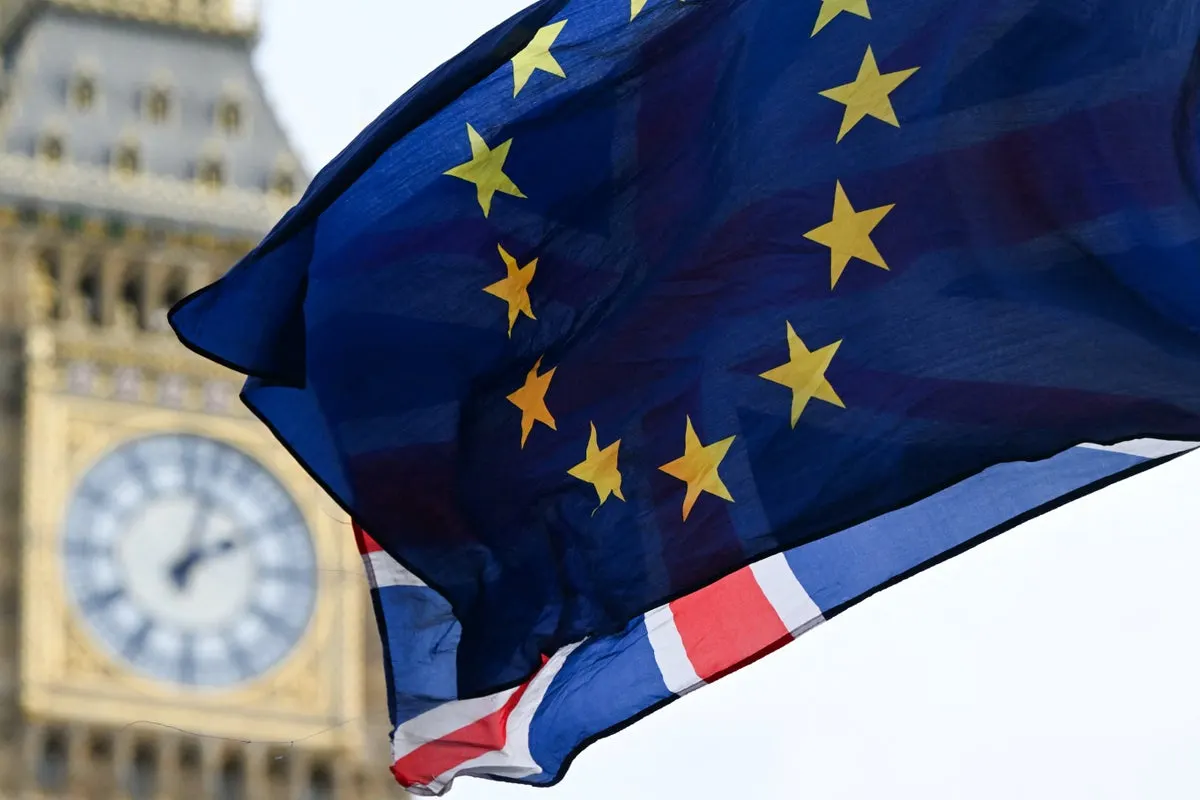
The editorial argues that Brexit continues to impose long-term economic and diplomatic costs on the UK, even where these effects are less visible than immediate disruptions. It says additional border procedures and regulatory requirements have made trade with the EU more difficult, reducing exports, investment and Britain’s influence in European policy-making.
Citing analysis by Logistics UK, it says restoring UK trade openness to its 2019 level could add £11.7bn in output, or about £400 per household. The article also refers to broader estimates that Brexit has reduced GDP by at least 4 per cent annually—around £100bn or £4,000 per household—and argues that the resulting lower tax revenues have constrained public spending and living standards.
- Brexit-related trade barriers are still affecting UK economic activity.
- Logistics UK estimates £11.7bn could be regained through stronger trade.
- The editorial argues wider Brexit costs include lower investment and GDP.
Both sides, in good faith
The strongest fair case each way — we don't pick a winner.
The case for
Brexit has added paperwork, checks and regulatory friction to UK-EU trade, making it harder for businesses to export and invest. If that has weakened output and tax revenues over time, closer alignment with European trade arrangements could improve growth, household incomes and the resources available for public services.
The case against
The costs attributed to Brexit are difficult to isolate from other economic shocks and policy choices, so estimates of lost output should be treated cautiously. Leaving the EU also gave the UK greater scope to set its own rules and trade policy; supporters may argue that these gains take time to realise and that regulatory autonomy has value beyond short-term GDP measures.