World news and discussion on TalkFuse.
Britain paying ‘moron premium’ on borrowing since Truss’s disastrous mini budget, chancellor says
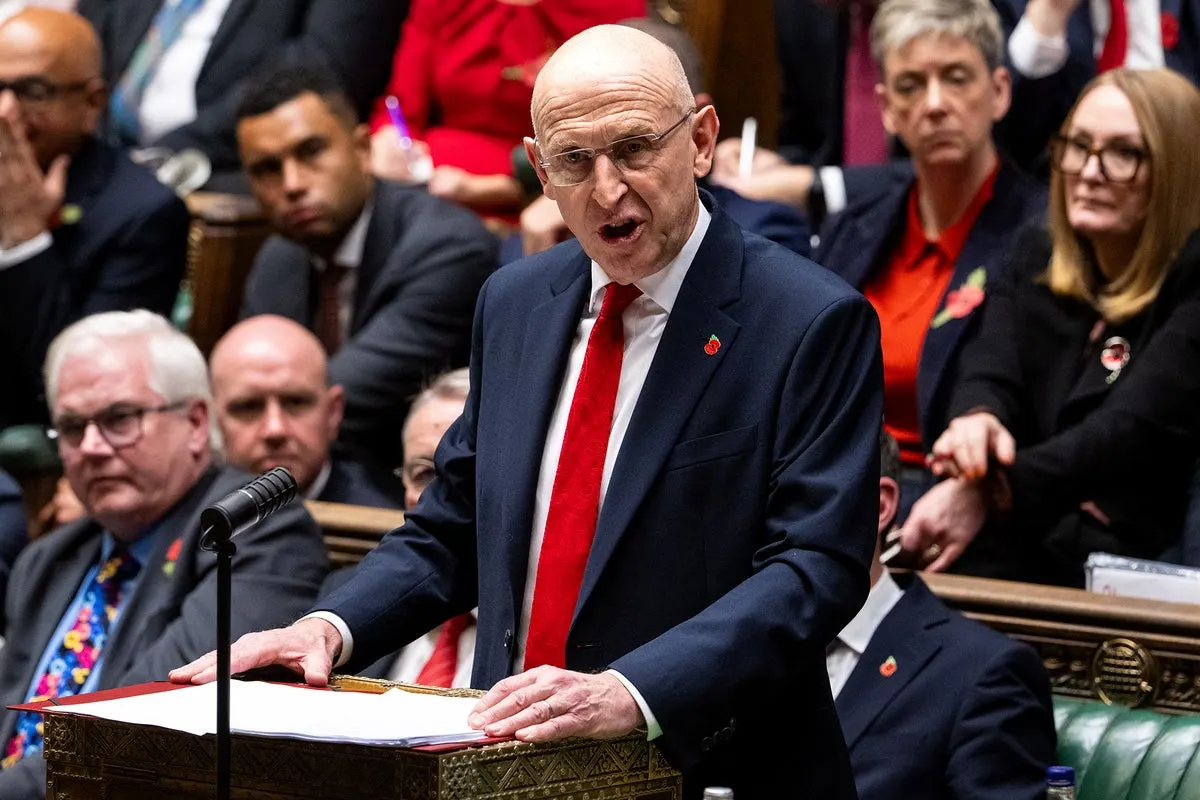
Chancellor John Healey said Britain has faced a “moron premium” on borrowing costs since Liz Truss’s 2022 mini-Budget damaged confidence in the economy. He also warned that the government will have to make further difficult spending choices, while defending his first Budget as significant.
The mini-Budget’s unfunded tax cuts triggered turmoil in government bond markets and a fall in sterling; Healey noted that borrowing costs have risen for governments more broadly. His Budget commits to raising defence spending to 3 per cent of economic output by 2030 and filling a £4.7 billion gap in the defence investment plan. The shortfall is to be covered through departmental capital budget reductions and a Treasury reserve, while critics said the Budget would do too little to boost growth.
In short
- Healey says the Truss mini-Budget left Britain paying a borrowing premium.
- The government plans to fill a £4.7bn defence funding gap.
- Further spending choices are expected at next year’s review.
Steelman: both sides, in good faith
The strongest fair case each way — we don't pick a winner.
The case for
The mini-Budget’s unfunded tax cuts triggered sharp market turmoil, and the lasting loss of confidence may have left Britain paying more to borrow than it otherwise would. On this view, describing that extra cost as a “moron premium” underlines the economic damage and the need for credible budgeting, even as the government faces difficult choices to fund defence.
The case against
Borrowing costs have risen for governments more broadly, so attributing Britain’s higher costs chiefly to the mini-Budget may overstate its continuing effect. Critics may also argue that cutting departmental capital budgets to fund defence risks weakening investment and growth, while the Budget’s measures do too little to address those concerns.
Explained simply
The mini-Budget was a package of tax cuts announced by Liz Truss’s government in 2022 without a clear plan to pay for them. Investors lost confidence, the pound fell and the cost of government borrowing rose. Higher borrowing costs mean the government pays more to finance its debt.
John Healey is the chancellor, responsible for tax, spending and the public finances. His Budget includes a plan to increase defence spending and fill a funding gap in the defence investment plan, using reduced capital budgets in other departments and a Treasury reserve.
The issue matters because spending more on defence can leave less for other government priorities, while expensive borrowing adds pressure to public finances. The Budget has also drawn criticism from those who say it will not do enough to support economic growth.
Americas Business Economy Government Markets Politics UK World