Science news and discussion on TalkFuse.
Britain set for butterfly boom after hot spring
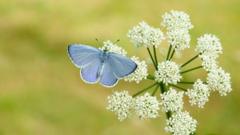
An expert has predicted a "bumper summer of butterflies" in Britain, following an unusually warm, dry spring and continuing hot weather that has favoured the insects. Prof Richard Fox, head of science at Butterfly Conservation in Newton Abbot, Devon, said the conditions have put butterflies "in a good place" to put on a colourful display in gardens and the countryside this summer, marking a potential rebound after a poor 2024.
Fox explained that as cold-blooded creatures, butterflies depend on sunshine to become active, mate and lay eggs, and species such as the Holly Blue and Red Admiral have already had a strong spring. However, he cautioned that the dry weather could threaten food supplies for caterpillars, as wilting plants and dying grass may leave the next generation short of food. He is encouraging people to take part in the Big Butterfly Count, which asks participants to record sightings over 15 minutes, to help determine how the season ultimately unfolds.
In short
- Warm, dry weather has boosted butterfly breeding conditions across Britain
- Expert predicts a strong summer after a poor 2024 season
- Public urged to join the Big Butterfly Count to track numbers
Explained simply
Butterflies are cold-blooded insects that depend entirely on warmth from the sun to function. Unlike warm-blooded animals, they cannot generate their own body heat, so sunshine is essential for them to become active, feed, find mates and lay eggs. This dependence on weather is why experts monitor butterfly populations closely throughout the year.
Britain's butterfly populations are considered an important indicator of ecosystem health. These insects pollinate flowers, support wildlife such as birds, and their abundance tells us about the wellbeing of gardens and the wider countryside. For this reason, organisations like Butterfly Conservation track population trends year to year.
Britain experienced difficult conditions for butterflies in 2024, when numbers declined across the country. The recovery and success of butterfly populations depends on multiple environmental factors, including temperature, sunshine and the availability of plants for caterpillars to feed on. Understanding how these conditions interact helps experts assess what kind of season lies ahead.