Technology news and discussion on TalkFuse.
Britain’s most overcrowded commuter trains are revealed as thousands are left standing at peak times
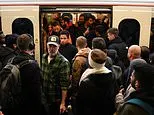
New research has identified the most overcrowded commuter train services in Britain, revealing that thousands of passengers are regularly left standing during peak morning and evening journeys. The findings highlight ongoing capacity problems on key commuter routes into major cities, raising fresh concerns about passenger comfort and safety as rail operators struggle to keep pace with demand at rush hour.
The data shows certain services running significantly over their intended capacity, with some trains carrying far more passengers than there are seats available, forcing large numbers to stand for much or all of their journey. The overcrowding is most pronounced on routes serving major commuter hubs, underscoring long-standing criticism of rail infrastructure and capacity planning across the network, particularly as passenger numbers on some lines continue to grow faster than services can be expanded.
In short
- Study reveals Britain's most overcrowded commuter trains at peak times.
- Thousands of passengers left standing on packed services.
- Findings renew scrutiny of rail capacity on busy commuter routes.
Explained simply
Britain's commuter trains operate under significant capacity strain during peak morning and evening journeys, with many services regularly carrying far more passengers than they have seats. This forces thousands of commuters to stand for their journeys, sometimes for long periods, as demand outstrips available space on busy routes.
The overcrowding is most pronounced on major routes serving large cities, where passenger numbers have grown faster than the network's ability to expand. Rail operators have faced long-standing complaints about this imbalance, with concerns raised repeatedly over both passenger comfort and safety on the most congested services.
The issue reflects deeper challenges in how Britain's rail infrastructure is planned and managed. As commuting patterns change and urban populations grow, the pressure on existing rail services intensifies, raising questions about how the network can accommodate rising demand within its current constraints.