Britain’s problems? I blame Thatcher and Brexit, says Burnham: No wonder Kemi mocked him for ‘living in the past’ as the ‘Messiah without a mandate’ made his Commons debut as PM
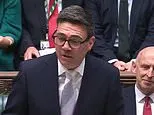
Andy Burnham used his first statement to Parliament as Prime Minister to blame Margaret Thatcher's reforms and Brexit for many of Britain's current economic problems, setting out a left-wing vision involving greater state control over the economy. He acknowledged that, two years into a Labour government elected on a promise to ease the cost of living, life remained "too expensive and too hard for too many," but offered little detail on how his plans would work in practice, prompting Conservative leader Kemi Badenoch to accuse him of "living in the past" and wanting to "take us back to the 1970s."
During a three-and-a-half-hour Commons session, Burnham said the government would be "relentless" in taking greater control of utilities such as water and energy, calling the privatised water industry a "leaking monument" to Thatcherism, and argued that further devolution could drive growth. He declined to rule out additional tax rises in next month's Budget and refused to sanction "crude cuts" to benefits spending, despite warnings over its rising cost. Badenoch countered that Labour's £70billion of tax increases had already "crushed the economy," while Labour's own Darren Jones warned in The Times that a "sugar rush" of announcements would achieve little without addressing Britain's underlying problems.
In short
- Burnham blames Thatcher and Brexit for Britain's economic problems in Commons debut.
- Badenoch mocks him as "living in the past," wanting to return to the 1970s.
- He won't rule out tax rises or cut benefits; Labour colleague also voices doubts.
Steelman: both sides, in good faith
The strongest fair case each way — we don't pick a winner.
The case for
Greater public control of utilities could be justified if privatisation has left essential services failing to invest or meet public needs; supporters may argue that government can plan for the long term, ensure accountability and spread the benefits of growth beyond London. They may also see Brexit and earlier market reforms as contributing to weak growth and inequality, and regard tax rises or protected benefits as necessary to fund services and support people facing high living costs.
The case against
Critics may argue that blaming past governments and Brexit risks distracting from Labour’s own record and from the practical choices needed to improve living standards. They may contend that more state control and possible tax rises could weaken investment, efficiency and growth, while rising benefit costs require credible restraint; without detailed plans, promises of intervention and devolution may not address the underlying problems.
Explained simply
Margaret Thatcher was prime minister from 1979 to 1990. Her governments sold many state-owned industries and changed trade unions’ powers; supporters say these reforms modernised the economy, while critics argue they increased inequality and weakened public services. The UK left the European Union in 2020 after the Brexit referendum, a change whose effects on trade and the economy remain contested.
Andy Burnham is a Labour politician who became prime minister after Labour won the general election. He argues that past economic choices have contributed to today’s problems and favours a greater state role in services such as water and energy, alongside more powers for local areas. Conservative leader Kemi Badenoch challenges that approach, saying it looks backwards and risks harming the economy.
The debate matters because it concerns how to improve living standards while funding public services and managing taxes and benefits. It also raises questions about whether national government, private companies or local authorities should have more responsibility for essential services.
Business Economy Government Politics UK World