Britain’s ten most unexpected defibrillator locations from Snowdon to Shetland revealed
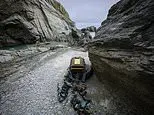
An article has highlighted a list of Britain's ten most unexpected locations for public defibrillators, spanning sites from the summit of Snowdon in Wales to the Shetland Islands off Scotland's northern coast. The piece underscores how these life-saving devices, traditionally associated with hospitals, gyms and town centres, have increasingly been installed in remote, unusual or hard-to-reach places to improve survival chances during cardiac emergencies.
The full text of the article was not available beyond the publication's standard navigation and unrelated headlines, so specific details of each of the ten locations could not be confirmed. The broader context reflects a continuing push across the UK to widen access to defibrillators in less conventional settings, including outdoor and rural areas, as part of efforts to improve out-of-hospital cardiac arrest survival rates.
In short
- Article lists ten unexpected UK defibrillator locations
- Sites reportedly range from Snowdon to Shetland
- Specific location details were not accessible in the retrieved text
Explained simply
Cardiac arrest happens when the heart suddenly stops pumping blood, and it can strike anyone, anywhere, with little warning. A defibrillator is a portable device that delivers an electric shock to try to restart a normal heart rhythm, and using one quickly, alongside CPR, greatly improves someone's chances of survival before an ambulance arrives. Public access defibrillators are usually kept in cabinets in places like shops, offices or community halls so bystanders can grab one in an emergency.
Because sudden cardiac arrest can happen far from towns and cities too, health charities, community groups and local volunteers across the UK have been placing defibrillators in more remote and unusual spots, from mountains to islands, so that walkers, residents and visitors have a better chance of reaching one in time. This reflects a wider, ongoing UK effort to close gaps in emergency care in rural and hard-to-reach areas, where ambulance response times can be longer.
This matters because access to a defibrillator within the first few minutes of a cardiac arrest can be the difference between life and death, and coverage has traditionally been weaker outside built-up areas. Highlighting unusual locations, such as those featured in this list, is one way of raising public awareness of where these devices are and encouraging their upkeep and use.