Politics news and discussion on TalkFuse.
Britain’s way back to Europe: Polls show tide has decisively turned against Brexit
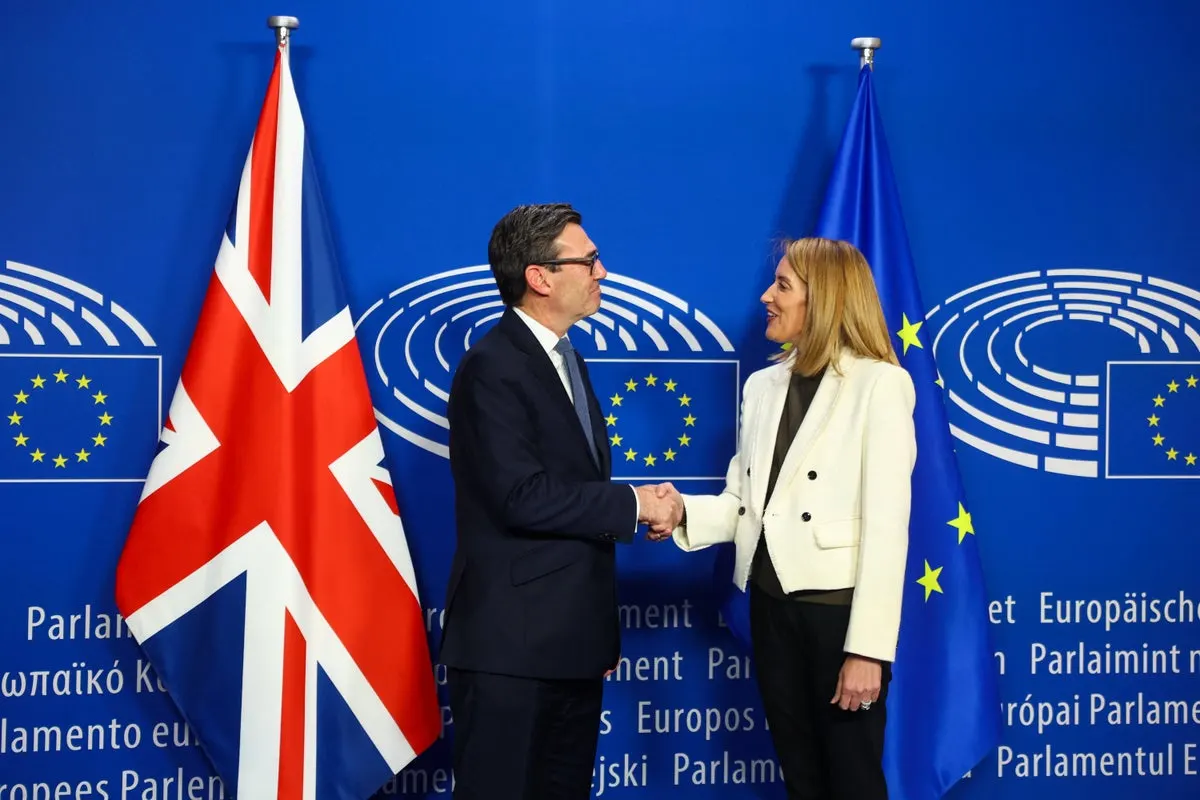
Polling suggests British voters have turned decisively against Brexit, with support for rejoining the EU now widespread across Great Britain. The figures could give Labour an electoral boost if it pledged to rejoin, while Andy Burnham has signalled that closer ties with Europe will be discussed ahead of the next election.
A poll of 7,291 voters found Labour support at 31.5 per cent if its manifesto promised to rejoin, compared with 24.3 per cent in the baseline. In a separate constituency-level survey of 11,927 people, EU membership was the most popular approach in all but four of Great Britain’s 632 constituencies; 35 per cent preferred rejoining, against 18 per cent favouring closer ties within Labour’s current red lines and 11 per cent wanting looser ties. A UK-EU deal announced by Burnham covers food and agriculture exports, emissions trading and a youth work scheme that could allow 100,000 young Europeans to work temporarily in Britain; he said it could add up to £17bn a year to the economy.
In short
- Polling indicates broad support for rejoining the EU.
- Labour support rises to 31.5 per cent with a rejoin pledge.
- A new UK-EU deal covers trade, emissions and youth work.
Steelman: both sides, in good faith
The strongest fair case each way — we don't pick a winner.
The case for
The polling suggests public opinion has shifted towards EU membership, and rejoining could be argued to reflect voters’ preferences while reducing trade frictions and supporting economic growth. Advocates may also see a clear manifesto commitment as a way for Labour to distinguish itself electorally and give businesses and workers greater certainty about Britain’s European relationship.
The case against
Polls do not by themselves settle whether rejoining is the right policy, and a party could reasonably prioritise other commitments or avoid making a major constitutional choice on the basis of one polling snapshot. Critics may argue that closer cooperation within existing red lines can deliver practical gains while preserving greater national control, and that the economic and electoral benefits claimed for rejoining remain uncertain.
Explained simply
In 2016, the UK voted in a referendum to leave the European Union, and it formally left in 2020. Brexit changed how Britain trades and co-operates with EU countries, while leaving questions about the future relationship between the two sides.
The EU is a political and economic union of European countries, with shared rules in areas such as trade. Labour is the main opposition party in this story, and Andy Burnham is a senior Labour politician; the party has so far ruled out seeking EU membership again.
The debate matters because closer ties could affect trade, jobs and movement between Britain and Europe. Any move to rejoin would involve political choices and negotiations with the EU.
Elections Europe Politics UK World