Cambridge IVF researcher Marta Shahbazi killed in Spanish train collision
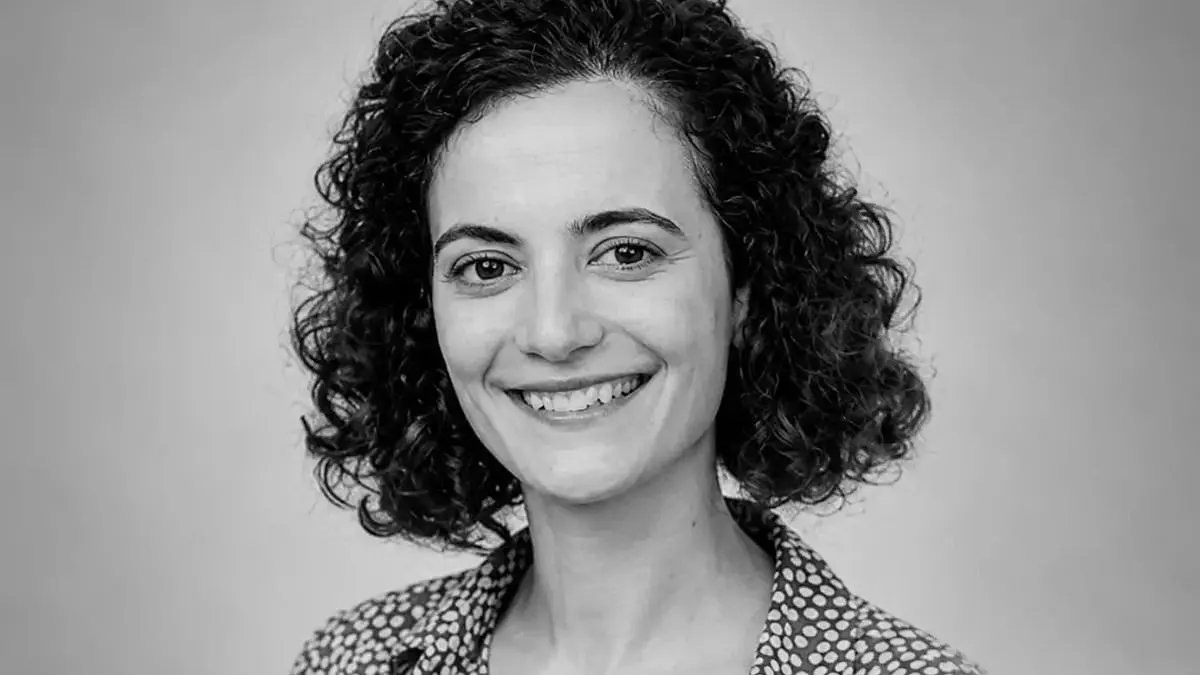
Dr Marta Shahbazi, a 41-year-old University of Cambridge scientist, was among 69 people killed when two trains collided in Spain. Her death has been confirmed by her research institutions, prompting tributes to a researcher whose work focused on IVF and early embryo development.
Shahbazi was travelling to collect a scientific excellence prize when the crash happened. She led a group at the MRC Laboratory of Molecular Biology, was an affiliate associate professor at Cambridge’s Stem Cell Institute, and had two young children. More than 100 people were injured; an initial investigation suggested several system failures may have contributed to the collision.
In short
- Cambridge scientist Marta Shahbazi was among 69 people killed in Spain.
- She was travelling to receive a prize for her research.
- Investigators are examining possible system failures behind the crash.
Explained simply
IVF is a fertility treatment in which an egg is fertilised outside the body, and scientists study how embryos develop in their earliest stages to better understand reproduction. Marta Shahbazi led research in this area at the MRC Laboratory of Molecular Biology and was also affiliated with the University of Cambridge’s Stem Cell Institute.
The MRC laboratory is a UK research centre, while Cambridge’s Stem Cell Institute brings together scientists studying stem cells and human development. Shahbazi’s work connected basic research into early development with questions relevant to fertility treatment; she was also a parent of two young children.
Read the full article at the source →
Originally published by Daily Mail as “British Cambridge scientist, 41, among victims of Spanish train crash”.