Omani co-pilot accused of attacking Flydubai captain had raised security concerns
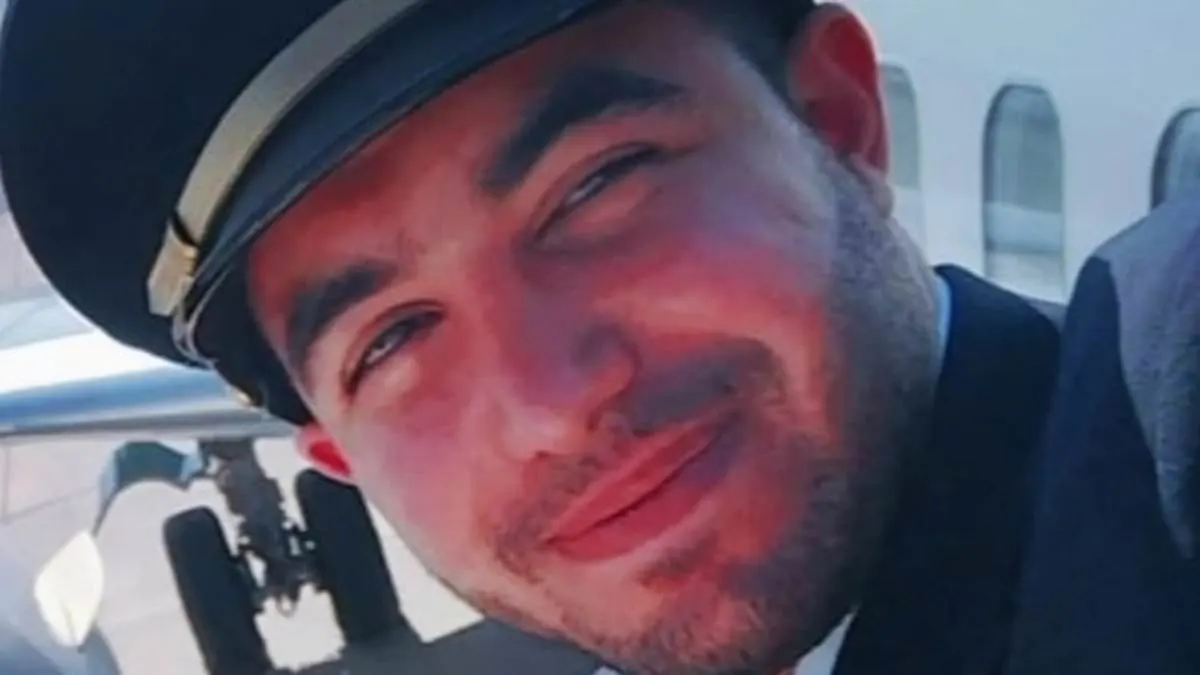
An Omani co-pilot allegedly tried to seize control of a Flydubai flight bound for Tel Aviv, seriously injuring the captain with a crash axe. Passengers and crew restrained him after the aircraft lost 14,000 feet in 29 seconds; the incident is being investigated as a suspected terrorist attack.
Reports say posts linked to Hamam Al Hammami showed al-Qaeda figures and footage of Israeli aircraft in 2023, though it is unclear who published them or when. Oman Air had removed him from flying duties amid concerns about possible radical influence, while a Gulf diplomat said Flydubai’s standard checks focused on criminal convictions. Al Hammami studied aviation management at Buckinghamshire New University but did not train as a pilot there; investigators are examining whether he acted alone or had extremist links.
- A Flydubai co-pilot allegedly tried to hijack a flight to Tel Aviv.
- The plane lost 14,000 feet in 29 seconds.
- Investigators are examining his background and possible extremist links.
New here? Start with this
A Flydubai flight heading to Tel Aviv experienced a serious incident when an Omani co-pilot allegedly attacked the captain with a crash axe, causing severe injuries. Passengers and crew members managed to restrain the co-pilot as the aircraft dropped rapidly, losing 14,000 feet in 29 seconds, before the situation was brought under control. The incident is being investigated as a possible terrorist attack.
Hamam Al Hammami, the co-pilot involved, had previously raised security concerns among aviation authorities. Social media posts linked to him reportedly contained images of al-Qaeda figures and Israeli aircraft filmed in 2023, though it remains unclear who uploaded them or exactly when. Oman Air had already removed him from flying duties over concerns about possible radical influence.
The incident has highlighted questions about how airlines vet their crew members. A Gulf diplomatic source indicated that Flydubai's standard security screening focused primarily on criminal convictions, potentially leaving other risk factors undetected. Investigators are currently examining whether Al Hammami acted alone or had connections to extremist groups.
Both sides, in good faith
The strongest fair case each way — we don't pick a winner.
The case for
The incident reveals preventable failures in security procedures. Oman Air had identified concerns and removed this individual from flying duties, yet this information was apparently not shared with Flydubai, allowing continued employment. Mandatory inter-airline communication, more rigorous vetting beyond criminal records, and more thorough assessment of security risks could identify such individuals before reaching the flight deck. Current industry standards are insufficient to protect passengers and crew.
The case against
Whilst tragic, this shouldn't justify dramatically expanded vetting procedures. Airlines perform reasonable industry-standard background checks; assessing social media for concerning content raises legitimate questions about false positives, privacy, and discrimination. Even with perfect information-sharing and psychological screening, many individuals display warning signs without ever acting violently, making prevention inherently difficult. Thorough investigation of this specific case is warranted, but the response shouldn't assume that regulation alone can prevent such rare, determined attacks.
Culture Middle East Travel UK World
Read the full article at the source →
Originally published by Daily Mail as “British-educated Flydubai terrorist was found with al-Qaeda propaganda and plans to target Israeli airplanes three years ago – but was still allowed to fly ”.