UK food and drink exports to the EU fall by over a third since 2019
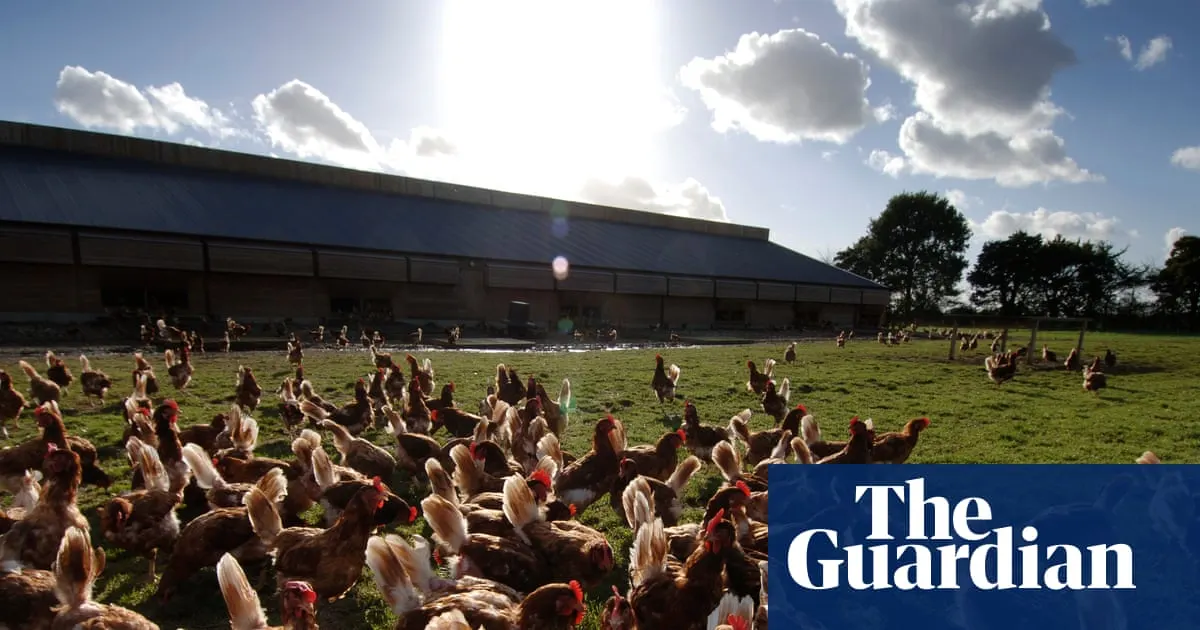
British food and drink exports to the EU have fallen by more than a third since 2019, according to an NFU analysis of official trade data. The decline matters because the EU is the UK’s largest market for agri-food exports, while farmers and producers say new post-Brexit trade barriers have made selling there harder.
In the year to July, sugar exports were down 70%, poultry exports 53% and egg and egg-product exports 65% compared with the same period in 2019; full-year figures show egg exports fell 74% between 2019 and 2025. Horticultural exports fell by more than half, and Scottish seed potatoes, once exported to Europe in volumes of about 20,000 tonnes a year, are banned from the EU. A UK-EU deal to ease checks on fresh farm produce is expected to take effect next summer, though some details and transition arrangements remain unresolved.
- UK food and drink exports to the EU fell by more than a third.
- Sugar exports dropped 70% in the year to July.
- A deal to ease some checks is expected next summer.
New here? Start with this
The European Union is the UK’s largest overseas market for food and drink produced by British farmers and manufacturers. Since Brexit, goods crossing between the UK and EU have faced new checks and paperwork, which producers say can add cost and delay.
The National Farmers’ Union analysed official trade figures to compare exports with 2019, before the UK left the EU. The figures cover many products, including farm produce, meat, eggs and drinks; the EU’s rules also restrict some goods, such as Scottish seed potatoes.
The UK and EU have agreed to work towards easier checks on fresh farm produce. The details and timing matter to farmers and exporters because they affect how easily goods can be sold across the Channel.
Both sides, in good faith
The strongest fair case each way — we don't pick a winner.
The case for
The export decline supports the case that post-Brexit checks and other trade barriers have made it harder for British producers to reach their largest nearby market, with particular damage to sectors such as eggs, poultry and horticulture. Easing those barriers could help restore trade, support rural businesses and give EU buyers more reliable access to British produce.
The case against
The figures show a serious decline but do not, on their own, establish that Brexit barriers were the sole or main cause; changes in demand, prices, production and trade patterns may also have contributed. Any deal to reduce checks should be weighed against the costs of aligning with EU rules and the value of retaining UK control over standards and trade policy.
Art Business Culture Europe Food UK World
Read the full article at the source →
Originally published by The Guardian as “British food and drink exports to EU collapse by more than a third since Brexit”.