Politics news and discussion on TalkFuse.
British people don’t need to apologise for slavery – but the government does | Olivette Otele
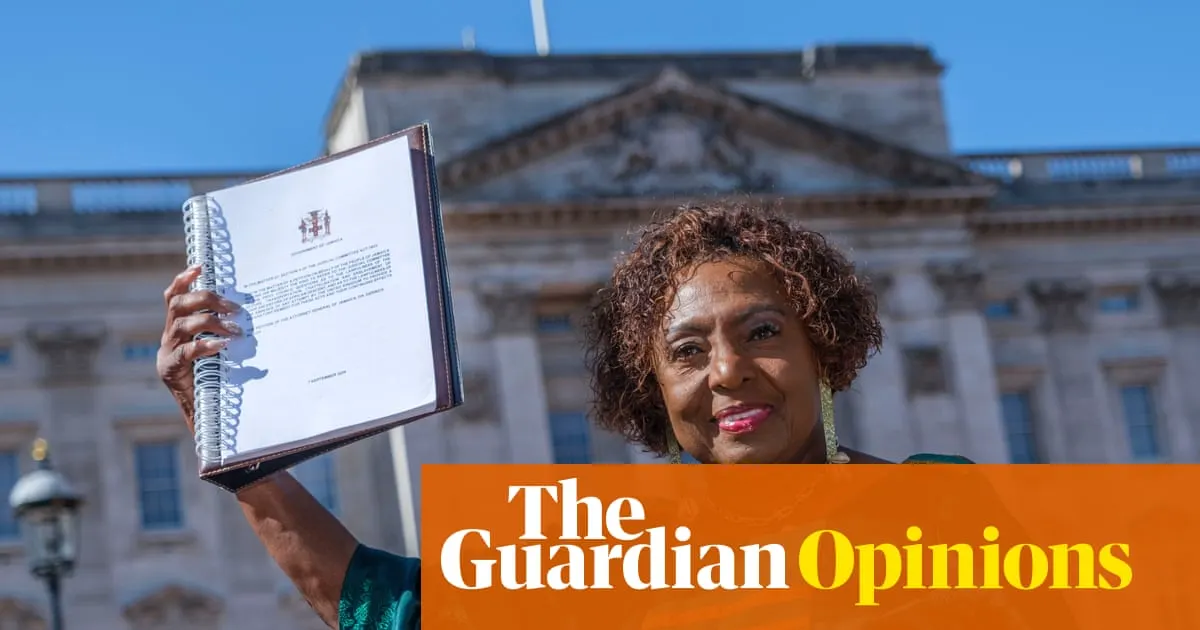
Andy Burnham has said he is open to hearing calls for the UK to apologise for its role in the transatlantic slave trade, while ruling out financial reparations. Olivette Otele argues that the debate matters because Britain’s difficulty in confronting the harm and continuing effects of slavery risks damaging relationships with Caribbean and other Commonwealth countries.
King Charles is expected to express sorrow at a Commonwealth meeting in Antigua and Barbuda. The Commonwealth comprises 56 countries and more than 2.7 billion people; Burnham has also pledged £40m for Caribbean projects. Otele says reparatory justice could include returning cultural artefacts, reviewing museum laws, and addressing education, climate justice and health inequality, as well as recognising how more than 300 years of enslavement helped shape British institutions.
In short
- Burnham is open to discussing an apology for Britain’s role in slavery.
- Financial reparations are ruled out, but debt restructuring is under discussion.
- Otele argues repair can include cultural returns and action on inequality.
Steelman: both sides, in good faith
The strongest fair case each way — we don't pick a winner.
The case for
A formal government apology and broader reparatory measures could acknowledge the scale of Britain’s role in slavery and its continuing effects, while helping rebuild trust with Caribbean and other Commonwealth countries. Reparatory justice need not mean direct payments: returning cultural artefacts, reviewing museum laws and addressing inequalities in education, health and climate impacts are among the possible approaches.
The case against
A government may recognise slavery’s profound harms and express sorrow without accepting an apology or reparations as the right response today. Opponents may argue that present-day citizens and institutions should not inherit collective liability for historic acts, and that limited public funds are better directed towards current needs through broadly available programmes rather than measures tied to historical responsibility.
Explained simply
Britain was deeply involved in the transatlantic slave trade, in which millions of Africans were forcibly taken to the Americas and Caribbean and enslaved. The trade lasted for more than 300 years and helped shape British wealth and institutions; its effects are still discussed in relation to inequality and historical memory.
The Commonwealth is a group of 56 countries, many with ties to Britain through its former empire, including Caribbean nations. Calls for reparatory justice can involve different measures, such as apologies, returning cultural objects, changes to education or action on health and climate issues, and do not necessarily mean financial payments.
The debate matters because Britain’s response can affect its relationships with Caribbean and other Commonwealth countries. It also raises questions about how governments and public institutions recognise the past and address its continuing effects.