World news and discussion on TalkFuse.
British spy planes were deployed on ‘extraordinary’ month-long mission to monitor secretive Russian enclave after Putin threatened to nuke Europe
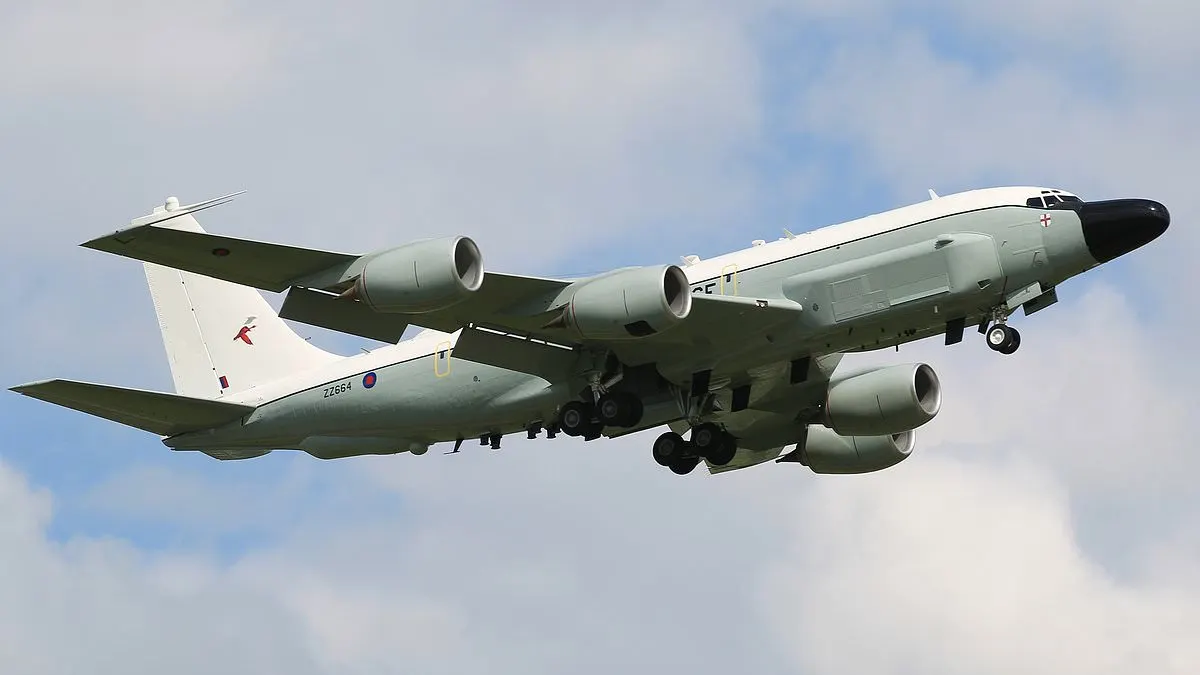
The RAF sent its two operational Rivet Joint surveillance aircraft on 17 flights in October to monitor Russian military activity, including repeated patrols near Kaliningrad and along Nato’s Baltic borders with Russia and Belarus. The reported surge followed renewed threats from Vladimir Putin and heightened tensions over the Russian exclave, though the purpose of the flights has not been confirmed.
Flight data showed the aircraft, based at RAF Waddington, flew four times as often as in May, when there were four sorties. Rivet Joints collect radio and electronic signals, and analysts suggested the flights may have gathered information on Russian communications or new military assets. Kaliningrad hosts Russia’s Baltic Fleet, nuclear-capable Iskander-M missiles and S-400 air defences; Moscow has warned it would consider nuclear weapons if Nato tried to isolate the territory.
In short
- RAF Rivet Joints flew 17 monitoring missions in October.
- Their focus included Kaliningrad and Nato’s Baltic borders.
- The Ministry of Defence has not explained the operation.
Steelman: both sides, in good faith
The strongest fair case each way — we don't pick a winner.
The case for
The flights can be defended as prudent intelligence gathering: monitoring military activity near Nato’s borders may help the UK and its allies understand changes in Russian capabilities and intentions, reduce the risk of surprise and make informed decisions. Given the strategic weapons based in Kaliningrad and Moscow’s warnings, supporters may see sustained surveillance as a proportionate way to protect security without direct confrontation.
The case against
Critics may argue that a conspicuous surge in military surveillance risks worsening tensions, particularly when Russia has warned against Nato actions concerning Kaliningrad. They may also question whether the flights’ purpose and safeguards have been adequately explained, and urge restraint so that intelligence activity does not contribute to miscalculation or an escalating cycle of military signalling.