Study claims migration cut annual pay by £1,060 for workers outside London
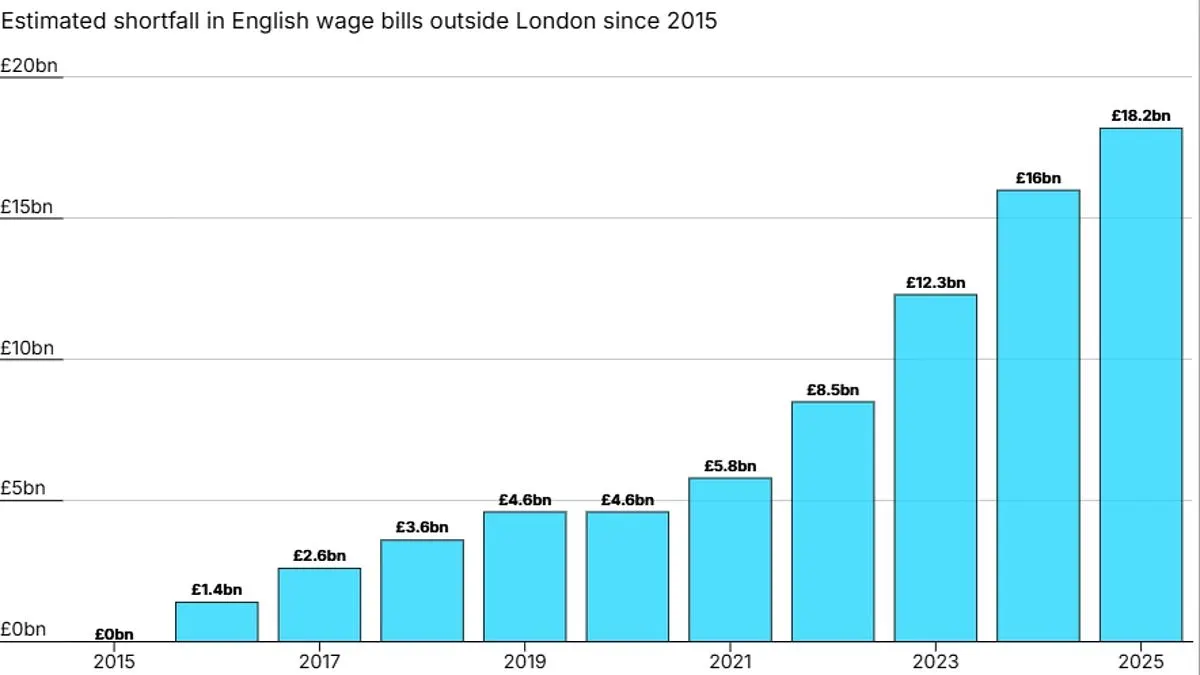
A new study claims that rising migration has reduced pay for British workers outside London, estimating a £1,060 annual shortfall per worker last year. Its findings add to debate over the effects of migration and come as the Government tightens rules on work visas.
Cambridge Circus Research analysed HMRC PAYE data for England’s 147 local authorities. It estimates that foreign nationals took 2.3 million of the 2.8 million jobs created between 2015 and 2025, and that lost pay for British workers over the decade could total £78 billion; the report says lower hourly wages, particularly in lower-paid sectors, account for much of the effect. The study does not establish a definitive cause, and excludes London from its main estimates because higher-income arrivals there may skew wage comparisons.
- Study estimates a £1,060 yearly pay shortfall outside London.
- Migrants took 80% of new jobs created over a decade, it claims.
- Researchers say lower-paid workers were most affected.
New here? Start with this
Britain has received substantial numbers of migrant workers over the past decade, leading to debate about the economic impact on British workers. Researchers, policymakers and employers have all been concerned with understanding whether rising migration affects wage levels and job availability, particularly in lower-paid sectors.
Understanding these potential economic effects has become important for Government policy on immigration. The Government has tightened restrictions on work visas in recent years, partly in response to concerns about migration's impact on British workers and the domestic labour market.
Detailed analysis of employment and wage data can help clarify whether and how migration affects opportunities and earnings for British workers. These studies contribute to ongoing policy debate about immigration, though different researchers sometimes reach different conclusions depending on the data and methods they use.
Both sides, in good faith
The strongest fair case each way — we don't pick a winner.
The case for
This comprehensive analysis of HMRC data across 147 local authorities identifies a substantial correlation between foreign national job intake and wage stagnation, with £78 billion in estimated impact over a decade concentrated in lower-paid sectors where British workers are most vulnerable. Such a large shift in job allocation to migrant workers, capturing 82 per cent of new employment, presents a plausible mechanism for wage pressure that policymakers must address seriously, even if causation cannot be definitively established, as the cumulative effect on British workers' living standards is considerable.
The case against
The study demonstrates correlation but not causation, and wage stagnation across developed economies stems primarily from automation, globalisation, and weak productivity growth rather than immigration levels. Migration simultaneously addresses critical labour shortages in the NHS, social care, and hospitality; generates substantial tax revenue; and boosts consumer demand and economic growth, whilst the analysis's exclusion of London—where higher-earning migrants concentrate—likely understates migration's broader economic contributions and skews the findings downward.
Read the full article at the source →
Originally published by Daily Mail as “British workers outside London are losing more than £1,000 a year due to surge in low-paid migration, study claims”.