World news and discussion on TalkFuse.
Britons likely to turn their heating this winter, report warns, as gas bills surge once again
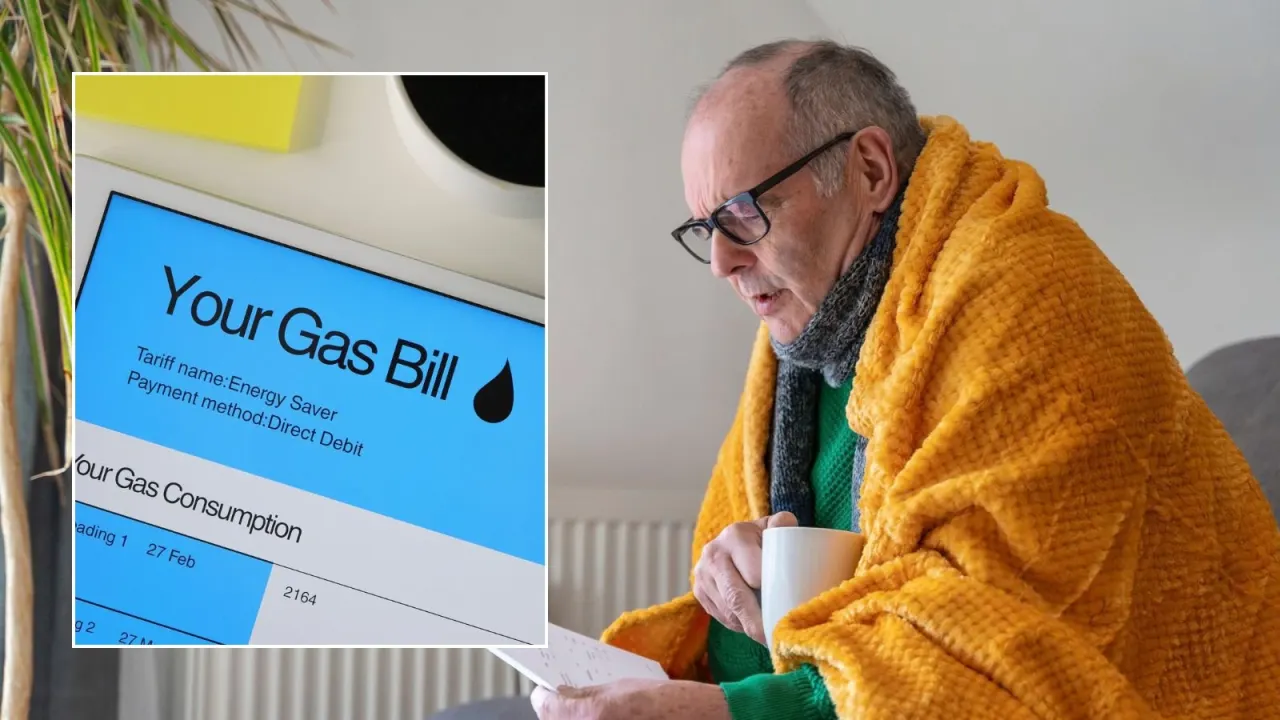
About seven in ten Britons say they may turn down their heating this winter as energy costs rise, with gas prices again driving higher bills. The report warns that households remain exposed to international gas price swings, while people on lower incomes and those in inefficient homes are likely to face the greatest pressure.
The Energy and Climate Intelligence Unit estimates an average home will pay about £1,360 for energy from October to March, roughly £680 more than before Russia’s 2022 invasion of Ukraine. A poll found 69 per cent were considering reducing heating and 72 per cent reducing electricity use; separate research said around 40 per cent of households were struggling with bills. The Government has announced a £100 payment for up to 20 million households, which Citizens Advice says will cover less than two weeks of typical winter energy use.
In short
- Seven in ten Britons may turn down their heating this winter.
- Typical October to March bills are forecast at about £1,360.
- Reports say gas dependence is leaving households exposed to price rises.
Steelman: both sides, in good faith
The strongest fair case each way — we don't pick a winner.
The case for
The warning highlights a real affordability and resilience problem: when gas prices rise, households can face difficult choices about warmth and other essentials, with people on lower incomes and in poorly insulated homes especially exposed. Support for targeted help and measures to reduce reliance on volatile gas prices can be justified as protecting health and household security; critics may also argue that the announced payment is too small to meet the scale of need.
The case against
The figures describe serious pressure, but they do not by themselves establish that the Government’s payment is inadequate or that broader intervention is the best response. A measured approach could focus assistance on the households most at risk while weighing the cost to taxpayers and the effects of wider subsidies, and pursue insulation and energy supply improvements over time rather than promise to shield everyone from every price rise.
Explained simply
Gas is used to heat many British homes and to generate some of the country’s electricity. Because much of the gas is bought on international markets, changes in supply and demand around the world can affect household energy costs.
Energy bills rose sharply after Russia’s invasion of Ukraine in 2022 disrupted energy markets. The pressure can be greater for people on lower incomes and for those living in poorly insulated homes, which take more energy to keep warm.
The Government sets rules for the energy market and can offer support with bills, while advice organisations such as Citizens Advice help people understand their options. The issue matters because the cost of heating affects household budgets and people’s ability to keep their homes warm.