World news and discussion on TalkFuse.
Brits who refuse WW3 conscription face ‘shame’ and even employment issues
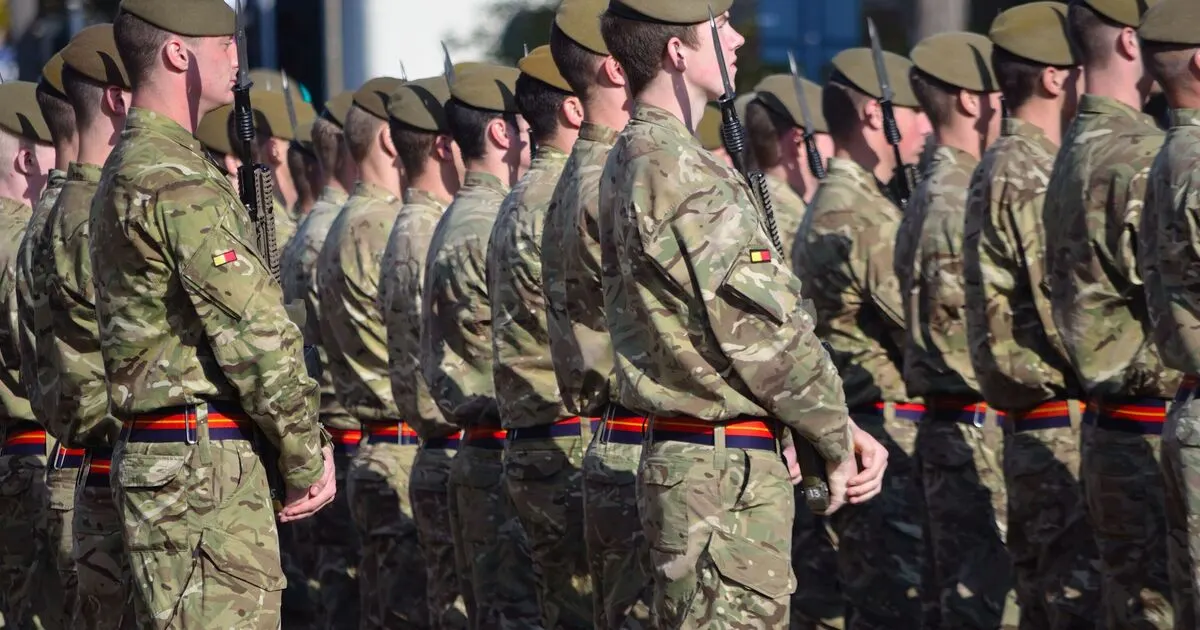
A war studies academic says people who refused conscription during a major conflict could face social disapproval and, in some cases, employment difficulties afterwards. The comments come amid calls from some commentators to expand Britain’s military manpower, but the Government says it has no plans to bring back conscription and is focused on a professional volunteer force.
Professor Joshua Bilton said public reactions would vary between families and communities, and that pressure to contribute could be indirect. He suggested most conscripts in a future conflict might support industry or civil defence rather than serve in the Armed Forces; in the two world wars, about 25% of men in a given age group served in the military. Former Army chief Lord Dannatt said reservists and former service personnel would likely be recalled before civilians, with 18 to 24-year-olds potentially considered first. Britain’s two periods of conscription were 1916 to 1920 and 1939 to 1960.
In short
- The Government says it has no plans to reintroduce conscription.
- An academic says refusal could bring social or employment pressure.
- Reservists and former service personnel may be called up first.
Steelman: both sides, in good faith
The strongest fair case each way — we don't pick a winner.
The case for
Supporters of conscription could argue that, in an existential war, sharing the burden of national defence is a matter of fairness and collective responsibility. They might see social expectations or limited employment consequences for refusal as ways to recognise those who contribute, while reserving most roles for industry and civil defence rather than combat.
The case against
Opponents could argue that compelling people to serve violates individual liberty and conscience, especially when a professional volunteer force remains the Government’s policy. Social stigma or employment penalties could unfairly punish principled refusal, and broad civilian mobilisation may disrupt lives without proving necessary or effective.