BT’s old copper network could be worth over $2 billion
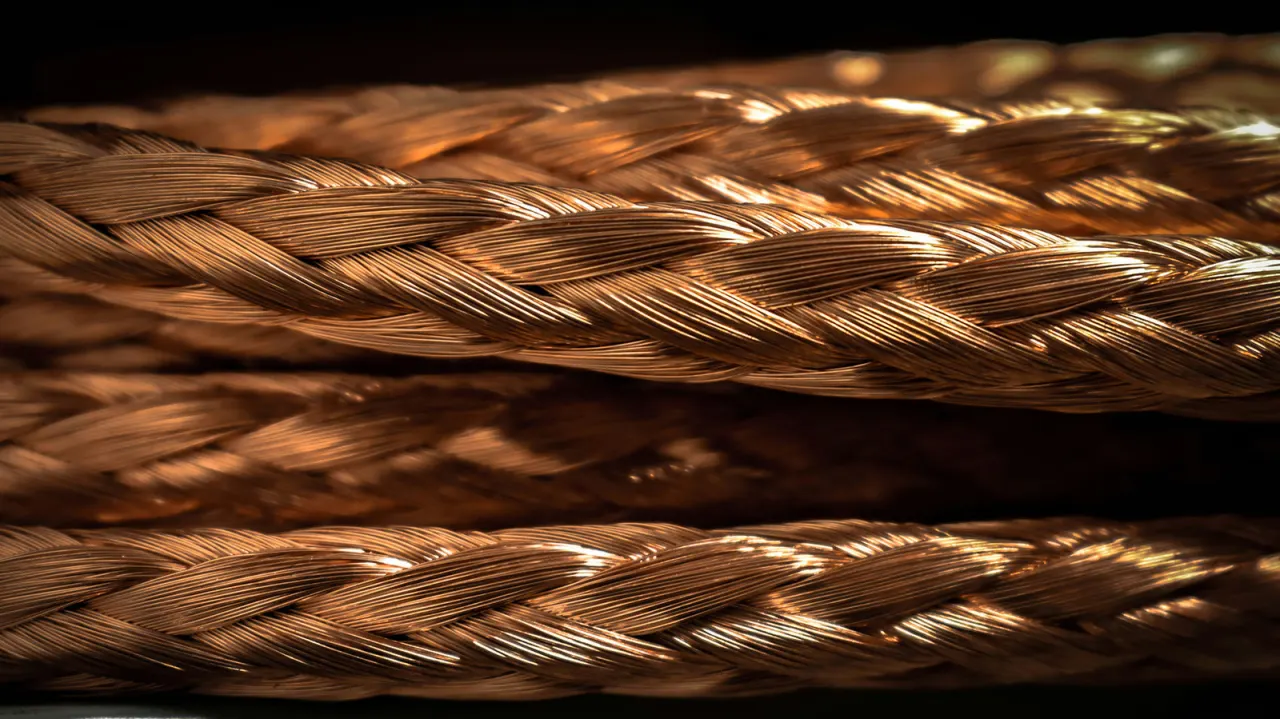
BT could reap over £2 billion ($2.7 billion) by recycling copper from its old telephone network as the UK transitions to full-fibre broadband, according to a report by the Guardian. The windfall reflects a sharp rise in global copper prices, driven by surging demand from AI data centres, renewable energy projects and electrification efforts, pushing the value of BT's recoverable copper well above its previous £1.5 billion estimate.
BT's subsidiary Openreach is decommissioning the legacy copper network as it rolls out full-fibre connections to 30 million homes by the end of the decade, having already recovered nearly 10,000 metric tonnes of copper in its latest financial year and more than 22,000 tonnes since 2023. The company has a recycling agreement with EMR and recently received £99 million upfront for recovered metal. The rising value of copper has also made cables a target for thieves, sometimes cutting off entire neighbourhoods, prompting Openreach to mark some cables with synthetic DNA and UV tracers to deter theft.
- BT's old copper network could be worth over £2 billion
- Demand from AI, renewables and electrification is driving up copper prices
- Rising values have also fuelled a rise in cable theft
New here? Start with this
BT is the UK’s former state telephone company and now provides phone and broadband services. Openreach, its network division, maintains the cables and connections used by many internet providers. Its older network uses copper wires, while full-fibre broadband carries data through glass fibres.
As Openreach builds full-fibre connections, it is gradually taking copper cables out of service and sending the metal for recycling. The value of copper changes with global prices, which are influenced by demand from industries including energy and technology. The scale and value of the changeover matter to BT and Openreach, and stolen cables can also disrupt phone and internet services for local communities.