Oil tops OBR’s severe shock forecast as UK growth outlook weakens
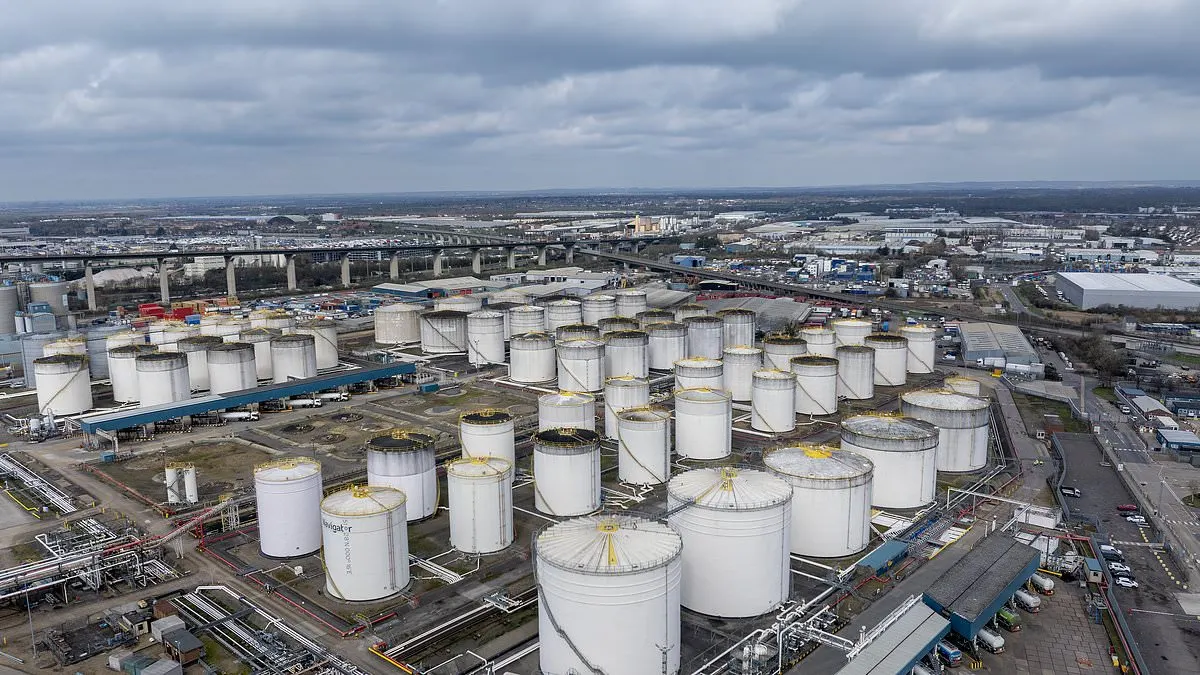
Brent crude rose above $115 a barrel, exceeding the Office for Budget Responsibility’s (OBR) severe-shock forecast for next year. The rise has led the watchdog to lower its UK growth outlook, while possible renewed US military action against Iran could push oil prices higher still.
The OBR now expects the economy to grow by 1 per cent in 2027, around half a percentage point less than its March forecast. It projects inflation will peak at 3.75 per cent early next year and remain about 1.5 percentage points higher across 2027 than previously expected; households are forecast to see no earnings growth in 2027 or 2028. The OBR said many factors affecting the UK economy come from outside the country.
In short
- Oil has already exceeded the OBR’s severe-shock forecast.
- UK growth is projected at 1 per cent in 2027.
- Inflation and energy costs are expected to weigh on households.
Steelman: both sides, in good faith
The strongest fair case each way — we don't pick a winner.
The case for
The OBR’s weaker outlook highlights how sharply higher oil prices can raise costs for households and businesses, squeeze real incomes and slow growth. Supporters of a cautious assessment argue that acknowledging these risks helps government and the public plan responsibly, especially while further conflict could push energy prices higher.
The case against
The forecast depends on uncertain oil prices and geopolitical developments, so treating it as a firm guide could overstate the likely damage. A more measured view is that the UK’s growth outlook may improve if prices ease or external pressures fade, and that policy should avoid reacting too strongly to a severe scenario before its effects are clear.
Read the full article at the source →
Originally published by Daily Mail as “Budget watchdog’s worst case scenario for oil ‘has already been reached’”.