Entertainment news and discussion on TalkFuse.
‘Buffet Infinity’ movie review: A bizarre, scathing, and masterfully edited cult classic in the making
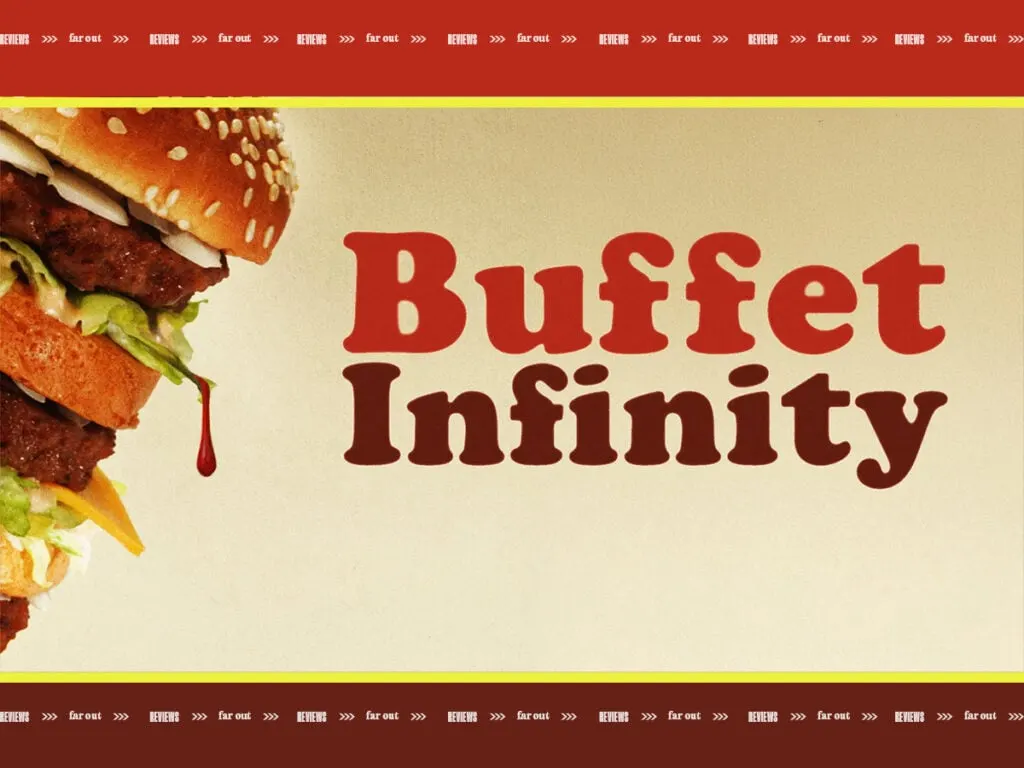
'Buffet Infinity' is a Canadian mockumentary from director Simon Glassman that joins a wave of 2026 horror films revisiting nostalgic media, but stands out by being entirely constructed from fictional local-television programming rather than merely referencing it. The film, told wholly through commercials, news reports and local notices from a fictional Alberta town, follows the sinister expansion of an all-you-can-eat restaurant that gradually swallows up rival local businesses, using the format to build an unsettling, escalating conspiracy that critics regard as a standout genre debut.
Styled after Second City Television sketches from the late 1970s and early 1980s, the film uses grainy period-accurate production values and rapid-fire editing to satirise consumerism and the way local monopolies form from humble beginnings. Its news segments trace a decline from honest journalism into sensationalism and eventual complicity as a death cult emerges, while its recurring adverts double as sharp commentary on how corporations discredit unfavourable media coverage as libel. Originally conceived as a YouTube sketch, the film is praised for balancing spontaneous gags with a well-constructed narrative arc, and is tipped to become a cult favourite.
In short
- Mockumentary 'Buffet Infinity' is told entirely through fictional 1970s/80s-style local TV broadcasts
- Plot follows a buffet restaurant sinisterly consuming rival small businesses in a fictional Alberta town
- Reviewer calls it a standout 2026 horror debut and likely future cult classic
Explained simply
These developments in the local monopoly world you follow closely might interest you: 'Buffet Infinity' is a Canadian mockumentary directed by Simon Glassman, made entirely in the style of old-fashioned local television, using fake adverts, news bulletins and community notices instead of a conventional narrative. It tells the story of an all-you-can-eat restaurant in a fictional Alberta town that steadily takes over the local business scene, with the format itself used to build a growing sense of unease and conspiracy. It is part of a broader trend in 2026 horror films that draw on nostalgic media formats, though critics note it goes further than most by committing fully to the fictional-broadcast conceit rather than just referencing old shows.
The film borrows its look from Second City Television, a real sketch comedy show from the late 1970s and early 1980s, recreating its grainy visual style and quick editing. Beneath the pastiche, it functions as satire, tracking how a local news operation slides from straightforward reporting into sensationalism and eventual complicity with the restaurant's rise, while its mock adverts comment on how companies respond to unwelcome coverage.
The project began life as a short sketch on YouTube before being expanded into a full film, and reviewers have highlighted how it balances loose, improvised-feeling humour with a tightly constructed overall story. This background helps explain why the film is being discussed as a potential cult classic, since much of its appeal rests on its unusual format and craftsmanship rather than a conventional plot or star cast.
Entertainment Film Horror Offbeat Weird & Viral