Building boom puts 300,000 people in the path of potential Himalayan disasters
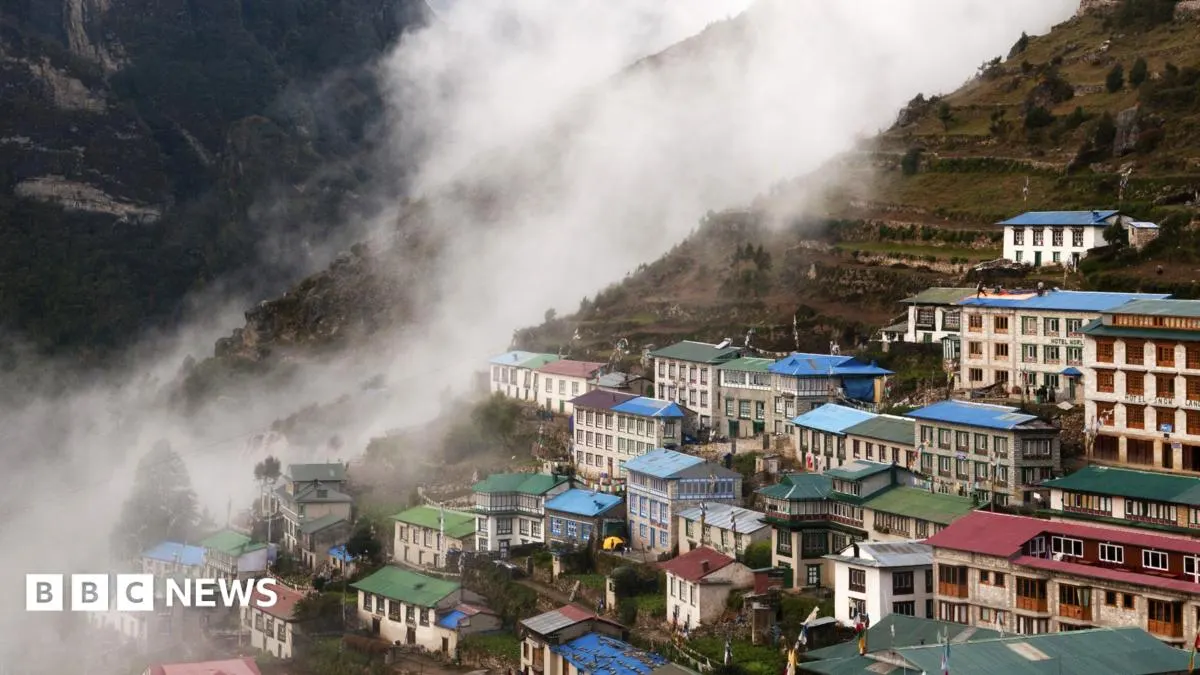
A new study suggests at least 300,000 people in parts of the Himalayas may live in areas exposed to flooding and other disasters, as construction has expanded in high-risk zones. The findings matter because tourism, housing and infrastructure are growing near rivers and glacial lakes, potentially increasing the number of people and buildings at risk.
Researchers found built-up land in the areas they examined grew by about 45% from 2016 to 2023, rising almost 78% in zones particularly threatened by glacial lake floods. The study covered parts of northern Nepal, south-eastern Tibet and India’s Uttarakhand, including areas up to 50km downstream of rivers and around 1,360 glacial lakes; the researchers say neighbouring areas may also face danger. Recent floods and landslides have damaged homes and bridges, while officials and tourism operators describe the challenge of managing development near rivers.
In short
- At least 300,000 people may be in Himalayan disaster risk zones.
- Built-up land in studied high-risk areas rose 45% from 2016 to 2023.
- Researchers say development near rivers and glacial lakes could deepen exposure.
Steelman: both sides, in good faith
The strongest fair case each way — we don't pick a winner.
The case for
Building homes, roads and tourism facilities can support livelihoods, improve access to services and bring investment to remote Himalayan communities. With limited land and growing populations, some development near rivers or glacial lakes may be difficult to avoid; careful planning and protective infrastructure could help communities gain these benefits while reducing exposure.
The case against
Rapid construction in areas exposed to floods and landslides can put lives, homes and public infrastructure at greater risk, especially where glacial lake floods may travel far downstream. The study’s findings support stronger land-use controls and risk assessment before further building, since the costs of preventable disasters could fall heavily on local residents and public services.
Explained simply
The Himalayas contain many rivers fed by melting snow and ice, as well as glacial lakes held back by natural barriers. If a barrier fails, water can rush downstream and cause a glacial lake flood; heavy rain can also trigger floods and landslides.
The study looks at parts of Nepal, Tibet and the Indian state of Uttarakhand. It focuses on communities and buildings near rivers and glacial lakes, where homes, roads and tourism facilities have expanded.
The findings matter because more people and infrastructure in these areas could be exposed when disasters occur. They also raise questions about how to plan construction and tourism while accounting for local hazards.
Art Asia Culture Science Travel World