Technology news and discussion on TalkFuse.
Building up the US power grid won’t be wasted, even if the AI bubble bursts
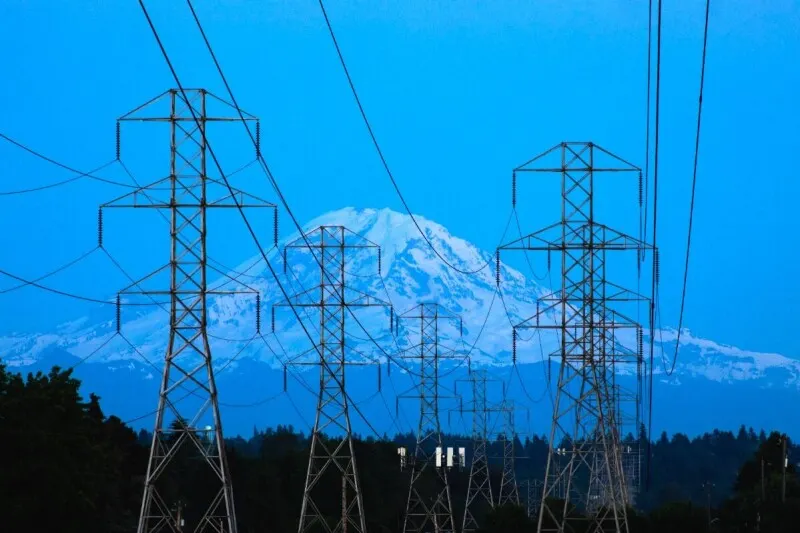
US power companies face a decision about how much new generation and grid capacity to build for surging datacentre demand, given that some planned AI facilities may never be completed if the AI boom cools. Consulting firm McKinsey & Company argues the bigger danger is under-building rather than over-building, since even if AI compute demand slows, the infrastructure created to serve it would not go to waste and could instead support other demand while improving overall grid reliability.
McKinsey estimates datacentres will drive around 75% of US power demand growth over the next decade, requiring roughly 30 GW of extra capacity annually. The firm projects a nationwide shortfall of 30 to 55 GW by 2030, as ageing coal and gas plants retire faster than new capacity comes online, and notes that 71% of organisations report poor AI implementation outcomes, hinting at bubble-like conditions. To cope with slow grid connections, many datacentre operators are turning to on-site power such as gas turbines, fuel cells and batteries, with McKinsey expecting solar-plus-storage to play a growing role alongside gas beyond 2030.
In short
- McKinsey says grid over-building for AI is a smaller risk than under-building
- US faces a projected 30–55 GW power capacity gap by 2030
- Datacentre operators increasingly turning to on-site gas, solar and battery power
Steelman: both sides, in good faith
The strongest fair case each way — we don't pick a winner.
The case for
McKinsey's case rests on the principle that grid shortages harm the entire economy, making under-building the greater risk. Since grid capacity serves multiple demands and improves system reliability, infrastructure built for AI datacentres remains valuable even if that segment disappoints; the projected 30-55 GW shortfall presents a genuine threat that must be addressed proactively.
The case against
Opponents argue that investing heavily in grid infrastructure based on AI demand is financially imprudent when 71% of organisations report poor implementation outcomes, signalling bubble-like conditions. The risk of stranded assets and wasted capital expenditure is real; ratepayers would bear these costs, and those resources might be more wisely deployed on other infrastructure needs or the broader energy transition away from fossil fuels.
Explained simply
Datacentres are large facilities that store and process digital information, including the computing work behind artificial intelligence. They use substantial amounts of electricity, and US power companies are weighing how much new generating capacity and grid equipment to build to serve them.
The grid carries electricity from power stations to homes and businesses. Some existing coal and gas plants are due to retire, while new facilities can take years to connect; datacentre operators are also considering ways to generate or store power on site. The choices matter because extra capacity could help serve other electricity users and make supplies more reliable, while building too little could leave demand unmet.