World news and discussion on TalkFuse.
Bukele warns Haitian gang leaders that his forces will ‘finish’ them as he did in El Salvador
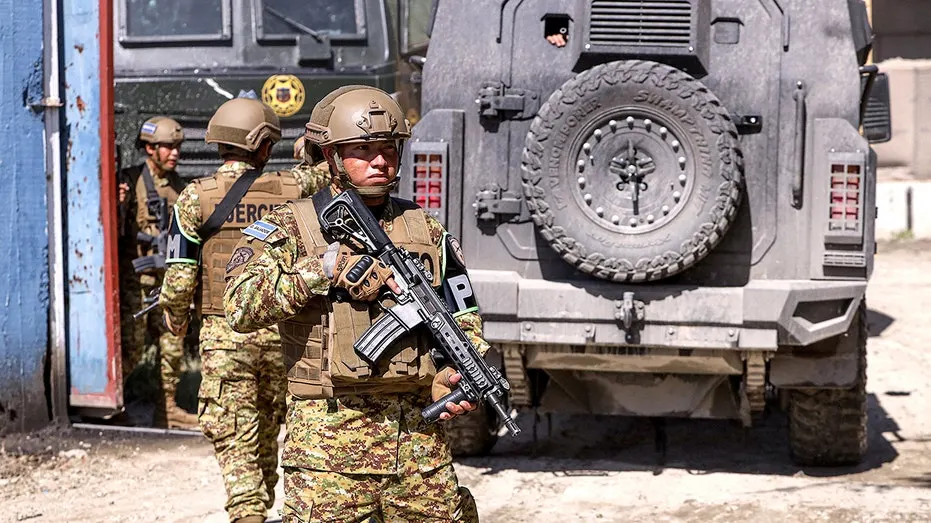
El Salvador’s President Nayib Bukele has sent 2,000 troops to Haiti after four Salvadoran military aviation technicians disappeared in an ambush near Port-au-Prince. He says the deployment is intended to find the men alive, not to invade or occupy Haiti, and has warned gangs that his forces could defeat them as they did in El Salvador.
The technicians were serving with a UN-backed security force when their vehicle was attacked in Croix-des-Bouquets on 18 October. Haitian police later found the vehicle burned out but no trace of the men; El Salvador says they were abducted, while Haiti calls them missing and a gang leader says they are dead. Haiti’s transitional government supports the deployment, but rights advocates and gang leaders warn escalation could harm civilians; the UN reports at least 5,700 people killed or injured in gang violence in Haiti since 1 January.
In short
- El Salvador sent 2,000 troops to Haiti after four technicians disappeared.
- Bukele says the mission is to recover them alive.
- Rights advocates warn escalation could worsen civilian suffering.
Steelman: both sides, in good faith
The strongest fair case each way — we don't pick a winner.
The case for
Supporters could argue that Haiti’s government has consented to the deployment and that a forceful operation may be needed to find the missing technicians and protect people from heavily armed gangs. They may point to El Salvador’s security campaign as evidence that sustained pressure can restore public order, and see a firm warning as a deterrent to further attacks.
The case against
Critics could argue that importing a hard-line security campaign risks escalating violence in a densely populated area where civilians are already exposed to gang power. They may question whether tactics used in El Salvador can be safely or lawfully transferred to Haiti, and stress that military pressure without safeguards and lasting political and social measures could deepen abuses and instability.
Explained simply
Haiti has faced years of political instability and gang violence, especially around the capital, Port-au-Prince. Armed groups control parts of the city and surrounding areas, while a transitional government tries to restore security and prepare for a return to elected rule.
Nayib Bukele is El Salvador’s president, known for a sweeping campaign against gangs that led to mass arrests and a sharp fall in violence, alongside criticism from rights groups over detention conditions and due process. El Salvador’s troops in Haiti are part of an international security effort, and the Haitian government has backed their presence.
The dispute matters because foreign forces are operating in a country where civilians already face severe risks from gang violence. Any escalation could affect residents’ safety and Haiti’s efforts to regain stability.