World news and discussion on TalkFuse.
Buried for not being Brueghel: overlooked masterpiece by still-life pioneer discovered in storage area
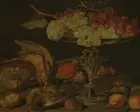
A still-life painting long kept in storage at Norway’s National Museum has been reattributed to the Flemish baroque artist Clara Peeters, an early pioneer of the genre. Previously thought to be by Ambrosius Brueghel and later labelled anonymous, the work’s reassessment restores it to a significant female artist and will feature in a major exhibition of women painters.
Curator Cynthia Osiecki linked the c1620 painting to Peeters through its panel supplier, a distinctive gilded tazza and similarities in the arrangement of birds, grapes and hazelnuts. Although no signature survives, woodworm damage removed the lower edge where Peeters typically signed; possible miniature reflected figures on the grapes may also relate to her known self-portrait technique. The painting, Still Life with Small Game and Grapes on a Gilded Tazza, will appear in Woman Painter, opening in Oslo on 8 October, alongside works by 18 other artists.
In short
- Oslo museum reattributes stored still life to Clara Peeters
- Evidence includes panel, composition and damaged signature area
- Work joins major exhibition of female artists
Explained simply
Still-life paintings focus on arranged objects, such as food, flowers or household goods, rather than people or events. The genre became popular in 17th-century Europe, when artists developed ways to show detail, texture and light.
Clara Peeters was a Flemish painter working around that time and is regarded as one of the early figures in still-life painting. Women artists often had fewer opportunities to train and gain recognition, and works by women have sometimes been wrongly attributed or left unnamed.
The National Museum in Oslo holds paintings from across Norway’s history and international art. Identifying who made an old painting can change how it is understood and included in accounts of art history.
Americas Art Culture Entertainment Music World