Business news and discussion on TalkFuse.
Burma approves death penalty for scammers months after FBI’s $8 billion crypto crackdown
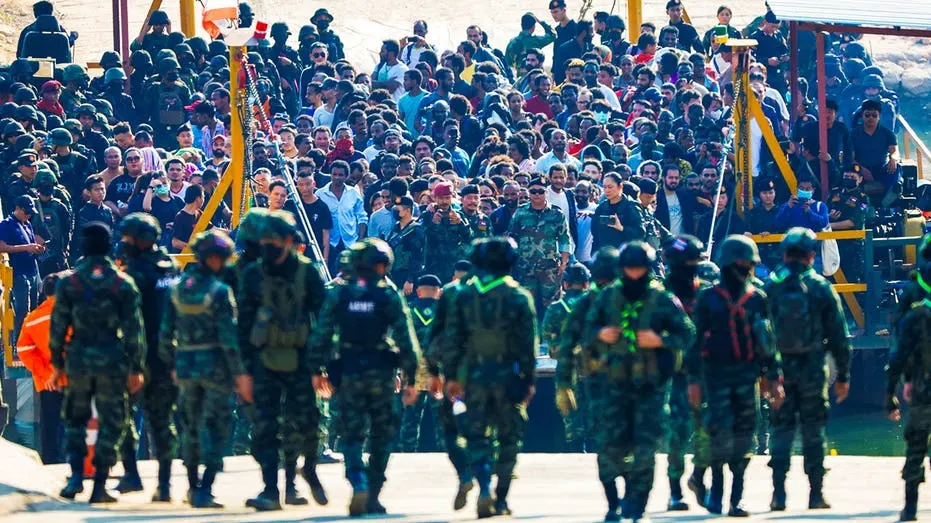
Burma's military-run government has approved the death penalty for people convicted of running online scam operations, under a new Anti-Online Scam Law passed by parliament. The move comes just months after the FBI announced an $8 billion crackdown on scam networks operating out of the country, and reflects growing international pressure on Burma to tackle the cyber-fraud compounds that have proliferated there, many of which are linked to human trafficking and forced labour.
The law, passed on Tuesday and reported by state-backed media, applies capital punishment to scammers who commit violence, torture or unlawful detention in connection with their fraud operations. Burma has become a global hub for online scam centres, often staffed by trafficked workers coerced into running crypto and romance scams targeting victims worldwide, prompting scrutiny from US and international law enforcement.
In short
- Burma approves death penalty for violent online scam operators
- Follows FBI's $8 billion crackdown on Burma-based scam networks
- Law targets scammers using violence, torture or unlawful detention
Steelman: both sides, in good faith
The strongest fair case each way — we don't pick a winner.
The case for
The law addresses crimes of extraordinary scale and cruelty—billions stolen from vulnerable victims worldwide, thousands trafficked and coerced into forced labour, systematic torture and exploitation integrated into fraud operations. Proponents argue that when lesser penalties have demonstrably failed to deter sprawling criminal networks causing such widespread suffering, exceptionally severe consequences become proportionate to the harm inflicted; they view the death penalty as a necessary deterrent to protect vulnerable people from predatory operations that thrive precisely because current measures prove inadequate.
The case against
Critics contend that capital punishment represents a human rights violation most developed democracies have abandoned, and that criminological evidence questions its effectiveness as a deterrent. They raise serious concerns that Burma's military-dominated judicial system lacks adequate due process safeguards for fair capital trials, risking miscarriages of justice and potential political abuse; they argue that addressing root causes—poverty, trafficking networks, and weak law enforcement capacity—would prove more effective and proportionate than execution.
Explained simply
Online scam compounds have become concentrated in Burma, where criminal networks run romance scams and cryptocurrency fraud targeting victims worldwide. Many are staffed by people who have been trafficked into the country and coerced into forced labour.
Burma has become a major hub for such operations owing to limited regulatory oversight and enforcement. The scale of these activities has prompted major international law enforcement action, including a significant crackdown by the United States Federal Bureau of Investigation targeting scam networks based in the country.
The fraud operations affect victims across the world, and the involvement of human trafficking and forced labour has made the issue a matter of international concern. This has led countries, particularly the United States, to apply pressure on Burma's government to address the problem.