Culture news and discussion on TalkFuse.
‘Burnham bounce’ takes Labour top of polls as party set for landslide victory in Manchester
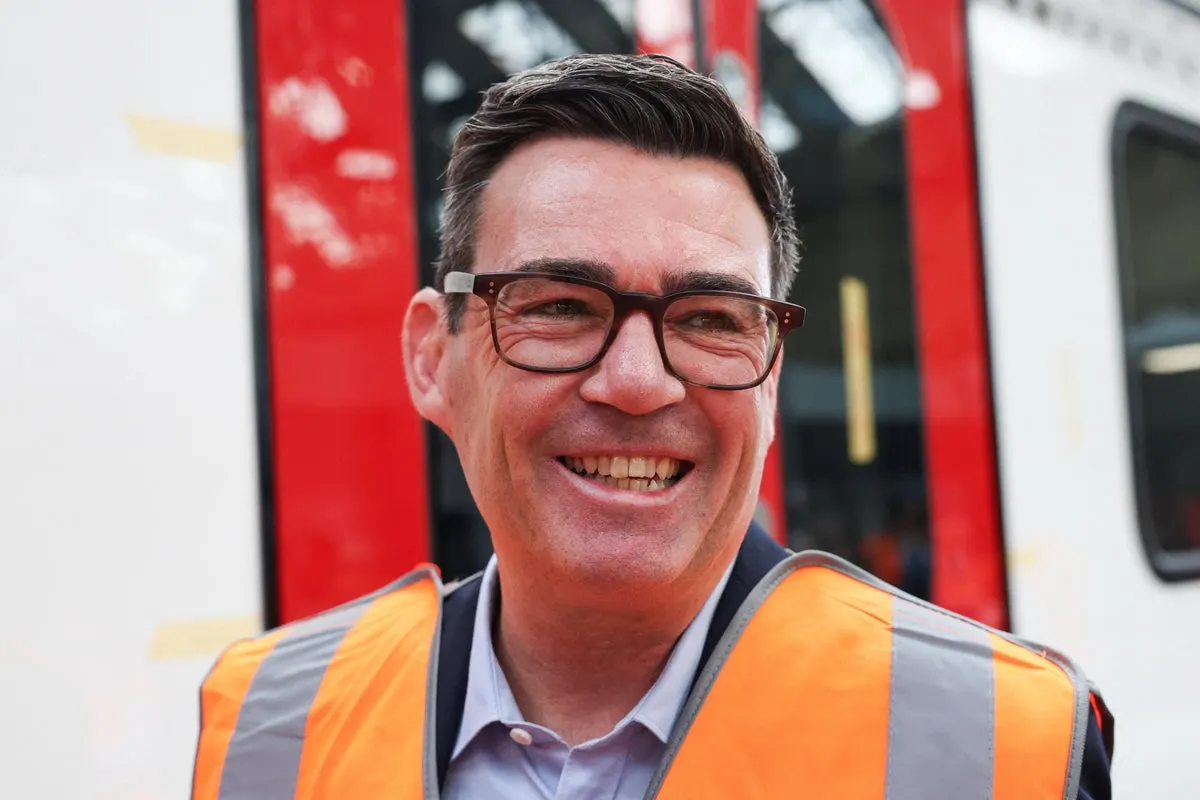
Labour has reclaimed the top position in national polling following Andy Burnham's elevation to prime minister, reversing Reform UK's remarkable dominance that had spanned more than 300 consecutive surveys since spring 2025. Recent surveys show Labour at 26–28 per cent against Reform's 22–24 per cent, a shift attributed to both Burnham's political appeal and communication strategy and to the absence of his predecessor Keir Starmer. Political analysts note the turnaround has occurred faster than anticipated, with Burnham actively pushing Labour's message through announcements and social media whilst his party regains the political initiative.
Thursday's Manchester mayoral by-election—triggered by Burnham's departure from that post to return to Parliament—will provide the first electoral test of the new political landscape. Polling data forecasts a commanding Labour victory in the contest, with candidate Bev Craig projected to secure roughly 39 per cent of the vote against Reform's 19 per cent, with the Greens and Conservatives trailing. Meanwhile, Reform faces concurrent difficulties including investigations into its leader Nigel Farage's financial arrangements and his own uncontested by-election in Clacton, whilst the Conservative Party has begun narrowing the gap with Reform for second place.
In short
- Labour surges to 26–28% in polls after Andy Burnham becomes PM, ending Reform UK's 300+ consecutive poll leads
- Manchester mayoral election Thursday will test Labour's momentum with candidate projected to win ~39% vs Reform's 19%
- Reform faces investigations and declining momentum whilst Conservatives close the gap; experts credit Burnham's communication and Starmer's departure
Steelman: both sides, in good faith
The strongest fair case each way — we don't pick a winner.
The case for
The turnaround represents genuine public preference rather than mere cyclical variation, having reversed a 300-survey trend in Reform's favour faster than anticipated—a magnitude and pace suggesting substantive repositioning beyond typical leadership-change effects. Burnham's proven administrative track record in Manchester, combined with more active communication and strategic engagement, offers voters a materially different offering. The consistency of the improvement across multiple polls and forecasts for the Manchester by-election indicates real shifts in public sentiment rather than statistical noise.
The case against
Leadership changes produce well-documented but typically transient polling improvements as voters respond to novelty and relief; here, Starmer's removal likely accounts for much of the shift rather than Burnham's inherent appeal. Reform UK's remarkable consistency across 300-plus polls reflects deep structural support that such a temporary leadership bounce is unlikely to fundamentally displace. Burnham's current high-profile activity creates short-term media momentum without evidence that underlying voter preferences on substantive policy have genuinely shifted.
Explained simply
Andy Burnham became prime minister recently, succeeding Keir Starmer. He previously served as mayor of Manchester and held other senior political positions. Labour has recovered ground in national polling after Reform UK had led for over 300 consecutive surveys since spring 2025.
Current polling shows Labour at 26–28 per cent compared with Reform's 22–24 per cent, reversing earlier trends. Political commentators are examining whether this shift indicates sustained renewed support for Labour or reflects the impact of the leadership change.
A Manchester mayoral by-election on Thursday will be the first significant electoral test of this new political situation. The result will indicate whether Labour's polling improvement translates into actual voting behaviour and sustained momentum.
Art Culture Elections Government Politics UK World