Burnham fails to rule out 10% death tax on all estates to fund social care reform
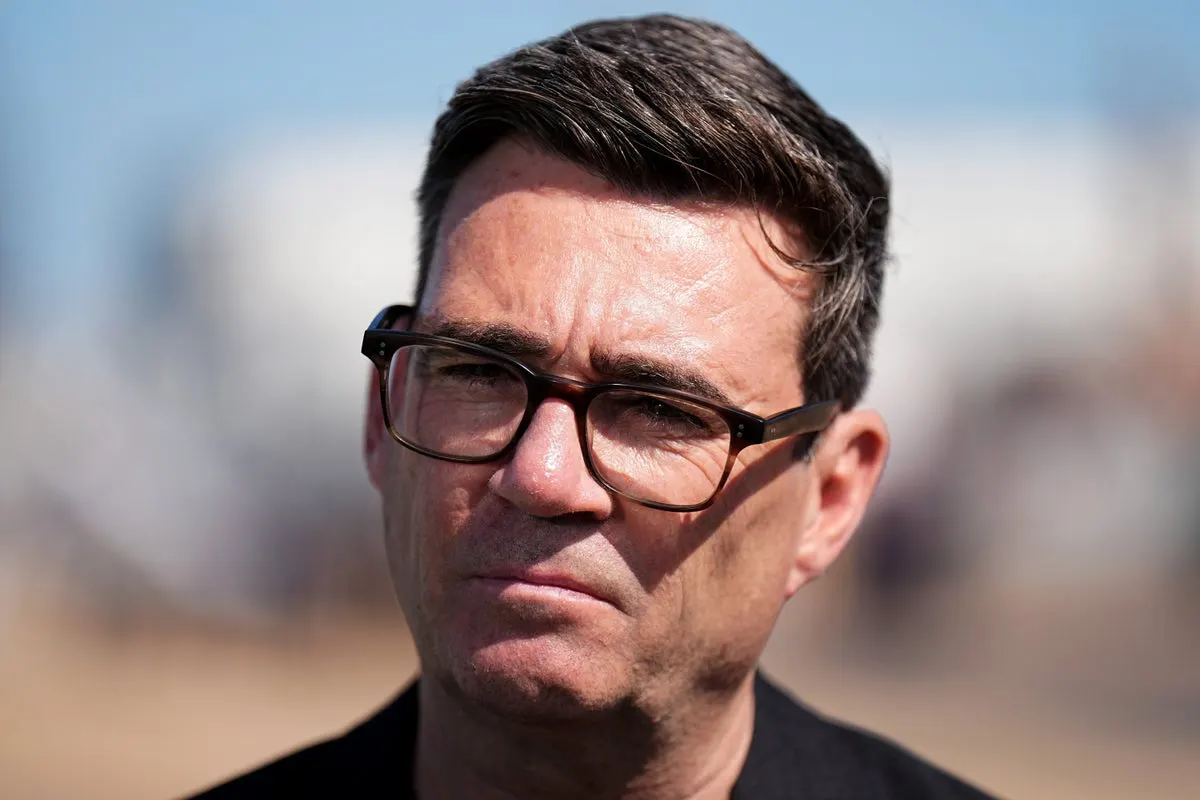
Prime Minister Andy Burnham has declined to dismiss a 10 per cent levy on all estates as a potential funding mechanism for comprehensive social care reform. The proposed National Care Service would cost approximately £18.7 billion annually, and Burnham previously advocated for replacing the current 40 per cent inheritance tax with this broader-based death tax during his tenure as health secretary.
Burnham has presented social care reform as an urgent priority, cautioning that the NHS faces systemic collapse without structural changes and committing substantial political effort to the issue. He is actively seeking cross-party dialogue on this enduring challenge, acknowledging that all political parties have historically failed to adequately address social care and proposing a collaborative reform strategy.
In short
- Burnham has not ruled out a 10% tax on all estates to fund a new £18.7bn annual National Care Service
- He previously supported this policy as health secretary and warns the NHS will collapse without social care reform
- He is pursuing cross-party cooperation on this long-standing, previously unresolved challenge
Steelman: both sides, in good faith
The strongest fair case each way — we don't pick a winner.
The case for
Social care represents a genuine crisis requiring substantial funding, and an aging population demands a serious policy response. A broad-based death tax could distribute costs fairly across all estates rather than concentrating them on inherited wealth alone, representing a collective approach to a social responsibility that ultimately touches everyone. The Prime Minister's pursuit of cross-party consensus suggests recognition that this level of urgent structural need justifies new funding mechanisms.
The case against
People should not face additional taxation on wealth they have already accumulated and wish to pass to their families, particularly when inheritance already faces 40 per cent tax rates. A 10 per cent death tax on all estates would burden middle-class families and ordinary homeowners, effectively implementing double taxation on inherited property. Alternative funding mechanisms through general taxation would be more equitable and would not specifically penalise family asset transfers or disproportionately affect those seeking to provide for their heirs.
Explained simply
Social care refers to support services for elderly and disabled people, from help at home to residential care. The system has faced mounting pressure as the population ages and demand increases, placing strain on both local councils and people paying for their own care.
The Prime Minister is considering a major overhaul called the National Care Service, estimated to cost around £18.7 billion annually. One proposed way to fund it is a 10 per cent levy on all estates when people die, which would differ from the current inheritance tax system that affects only estates above a certain threshold. Previously in government, Burnham had promoted this approach as a mechanism for funding care more broadly.
Social care reform remains unresolved despite previous government efforts, and Burnham considers it vital to preventing broader problems in the NHS and economy. He is attempting to build consensus across political parties on a reform strategy, treating this as a longstanding challenge that requires cross-party solutions.