Politics news and discussion on TalkFuse.
May election speculation grows as welfare decisions and votes are delayed
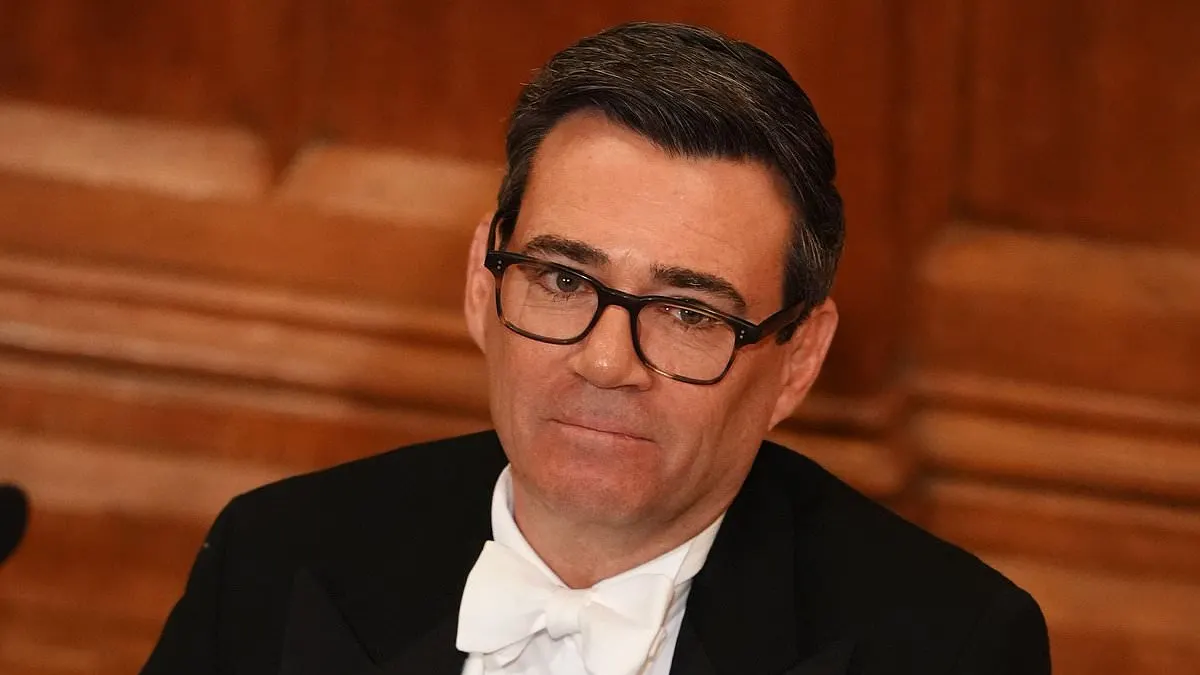
Speculation has grown that Andy Burnham could call a general election in May, as major decisions on welfare and public spending are pushed into the future. The timing matters because an election would need to be called by the end of March, while Labour faces resistance from MPs to benefit cuts.
Former minister Alan Milburn is proposing substantial investment in employment support to reduce the number of young people not in education, employment or training, alongside possible limits to benefits. Government policy based on his review is expected in the New Year, with legislation due in the middle of next year and key votes potentially later still. Labour’s spending review is also due in the second half of next year, while a defence plan is expected to set out a path to spending 3 per cent of GDP by 2030.
In short
- Welfare legislation is not expected until the middle of next year.
- Labour MPs may resist any cuts to benefits.
- The delayed decisions have fuelled May election speculation.
Steelman: both sides, in good faith
The strongest fair case each way — we don't pick a winner.
The case for
A May election could give voters a timely say on the government’s direction before consequential decisions on welfare, public spending and defence are settled. Bringing those choices into the election debate may improve accountability and let Labour seek a clear mandate for its plans.
The case against
Calling an election amid delayed policy decisions could leave voters without clear details on benefit changes, employment support or spending priorities. With Labour MPs already resisting benefit cuts, postponing decisions may also prolong uncertainty for people affected and make it harder to scrutinise the costs and trade-offs.
Explained simply
The UK’s prime minister can call a general election, but must do so within the timetable set by law. Andy Burnham is a Labour politician, and speculation about an election refers to the possibility of a national vote taking place in May.
Welfare policy concerns benefits and support for people who are out of work or need help with living costs. Alan Milburn, a former government minister, has proposed more help to get young people into jobs or education, alongside possible limits to benefits; Labour MPs have raised concerns about benefit cuts.
The timing of decisions matters because legislation and spending plans need votes in Parliament, where Labour’s majority depends on its MPs. The government also has to decide how public money is divided between services and defence, including its stated aim for defence spending to reach 3 per cent of national income by 2030.
Elections Government Politics World
Read the full article at the source →
Originally published by Daily Mail as “Burnham fuels May election rumours as NEETs legislation ‘won’t come until the middle of next year’ – amid fears of Labour revolt against any cuts to benefits”.