World news and discussion on TalkFuse.
Prime Minister criticised for delaying plans to outline future EU ties
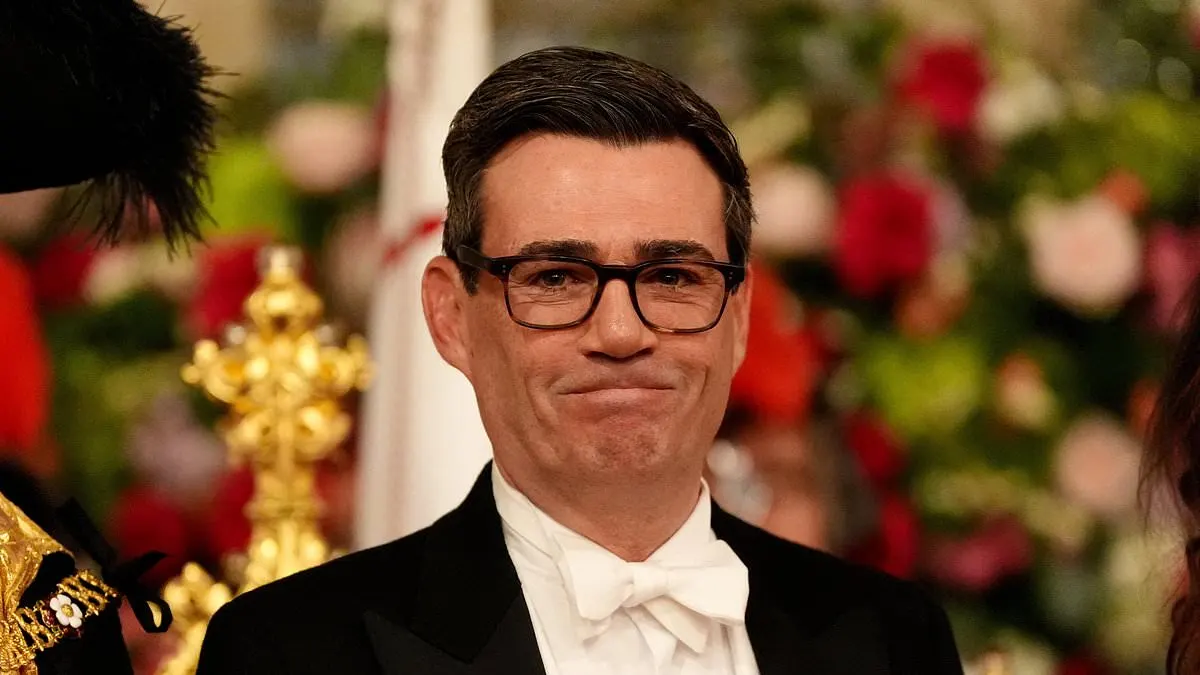
The Prime Minister has been accused of delaying plans to set out options for the UK’s long-term relationship with the EU, despite promising to present them around the time of this week’s UK-EU summit. He says there is “no rush” and that the options will be published in due course, prompting criticism from political opponents and concern among some EU figures that a prolonged debate could give anti-EU campaigners time to organise.
The Prime Minister has told EU leaders he wants a year-long national conversation and says the options will accompany a ten-year plan by the end of the year. Labour’s manifesto commitments remain against rejoining the single market or customs union, or restoring freedom of movement; he says the current deal is the limit of what will happen in this Parliament. Cabinet divisions are reported, while some diplomats believe the eventual choice may be between maintaining the current arrangement and rejoining the EU.
In short
- The Prime Minister has delayed publishing options for the UK’s future EU relationship.
- He says they will be set out with a ten-year plan by year-end.
- Labour says its manifesto red lines remain in place.
Steelman: both sides, in good faith
The strongest fair case each way — we don't pick a winner.
The case for
A year-long discussion and options published alongside a ten-year plan could give the public a clearer account of the trade-offs and place EU policy in a wider strategy. The Prime Minister may also argue that the current deal is the limit of what his government can pursue this Parliament, so taking time to develop realistic proposals is more responsible than rushing out choices that cannot be acted on.
The case against
The Prime Minister had indicated that options would be set out around the summit, and delaying them risks weakening trust and leaving the country without a clear direction on a consequential relationship. Critics can argue that timely proposals would let the public and Parliament scrutinise the choices, while an extended debate without defined options could give campaigners room to shape it before the facts and trade-offs are clear.
Explained simply
The UK left the European Union in 2020, but the two sides continue to trade and co-operate under agreements made since then. Those arrangements shape issues such as trade rules, travel and how closely the UK follows EU policies.
The Prime Minister leads the UK government, while EU leaders represent the countries in the Union. Any change to the relationship would involve choices about how much access the UK seeks to EU markets and what rules or commitments might come with it.
The debate matters because closer ties could affect businesses, workers and the UK’s role in Europe. The government’s stated limits rule out some forms of closer integration for this Parliament, while political parties and EU figures differ over what should happen in the longer term.
Europe Geopolitics Government Politics UK World
Read the full article at the source →
Originally published by Daily Mail as “Burnham is accused of kicking the decision on rejoining the bloc into the long grass”.