Burnham is in retreat over Russia Brexit ‘lies’: Boris and Farage blast PM’s referendum claim
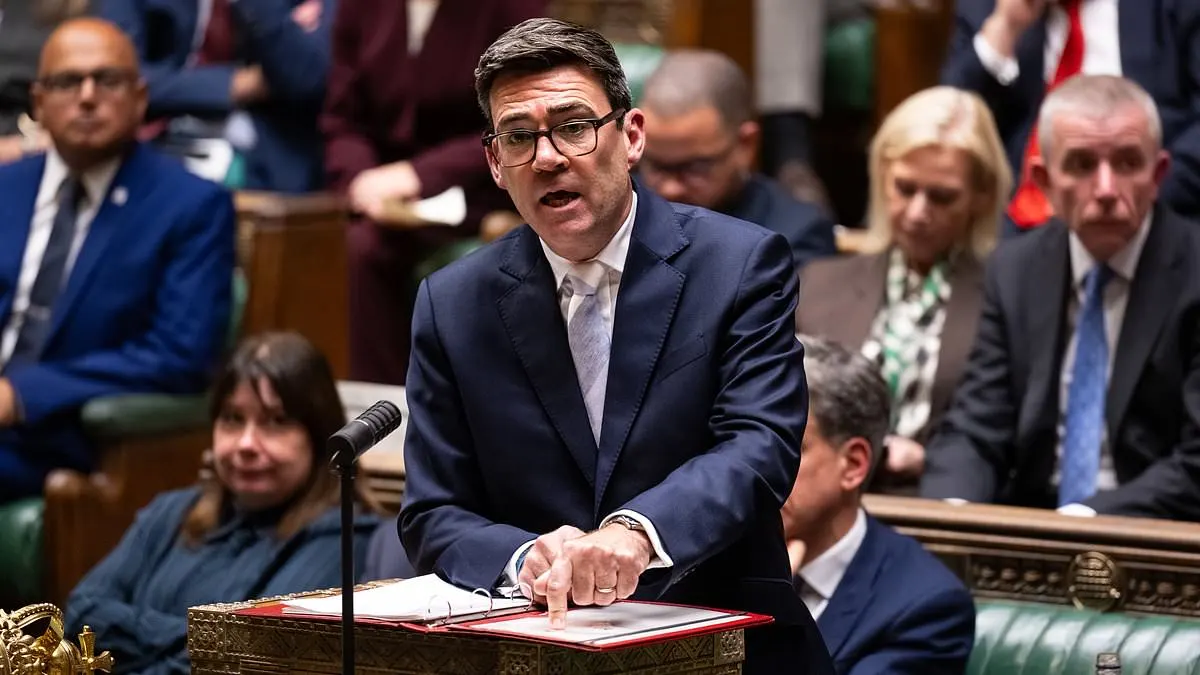
Prime Minister Andy Burnham faced severe criticism yesterday after retreating from claims that Russia interfered in the 2016 Brexit referendum. He admitted within 24 hours of making the assertion that he has no evidence to support it, triggering a damaging U-turn that drew fierce backlash from Boris Johnson, Nigel Farage and Tory leader Kemi Badenoch. The debacle forced Downing Street to clarify that the PM accepts the referendum result as legitimate, undermining his credibility on a politically sensitive issue.
Burnham claimed on Sunday's podcast The Rest is Politics that officials had confirmed Russian interference when he entered No10, but he subsequently conceded he had no actual evidence for this assertion. Multiple official investigations have found no proof of successful Russian meddling in the referendum: MI5's head concluded in 2018 that there was no such evidence, and a 2020 Commons intelligence and security committee report reached the same conclusion. Johnson accused Burnham of cynically inventing the claim to appeal to pro-EU voters and suggested the security services' position remains unchanged, implying the PM was lying about what he had been told.
- Prime Minister Burnham backed away from unsubstantiated claims about Russian Brexit interference
- Multiple intelligence reports have found no evidence of successful Russian meddling
- Critics accused him of making politically expedient but false statements
New here? Start with this
The 2016 Brexit referendum was a crucial vote on whether the UK should leave the European Union. If a foreign power had successfully interfered in such an important democratic decision, it would raise serious concerns about the legitimacy of the result and the integrity of British democracy more broadly.
Multiple official investigations have examined whether Russia attempted to influence the 2016 referendum result. MI5's leadership concluded in 2018 that there was no evidence of successful Russian interference, and a parliamentary intelligence committee reached the same conclusion in a 2020 report.
Prime Minister Andy Burnham's public statements about foreign interference carry particular weight because they are based on access to classified intelligence and security briefings. Claims about Russian meddling in major referendums are especially sensitive, as they affect how people view the legitimacy of the referendum result and the UK's relationship with Russia.
Both sides, in good faith
The strongest fair case each way — we don't pick a winner.
The case for
Burnham's rapid correction within 24 hours demonstrates good faith rather than deliberate deception, and in a casual podcast discussion one might reasonably misspeak or oversimplify complex classified briefings that cannot be publicly disclosed. His critics appear to be pursuing opportunistic political advantage by interpreting a quickly-retracted imprecision as evidence of fundamental dishonesty, when the appropriate response to a leader who acknowledges error is to accept the correction. A Prime Minister's willingness to admit when he has misspoken, particularly on sensitive national security matters, arguably demonstrates integrity.
The case against
The Prime Minister made a significant claim about foreign interference in a democratic referendum to a large audience without any supporting evidence whatsoever, and his admission within hours of possessing no factual basis is either deeply reckless or deliberately dishonest. This behaviour is particularly troubling given that multiple rigorous official investigations, including MI5 and the Commons intelligence committee, have already established there is no evidence of Russian interference, meaning Burnham contradicted settled fact. A leader's credibility on security matters is foundational to public trust, and such a breach—whether careless or calculated—reasonably damages confidence in his judgment.