Politics news and discussion on TalkFuse.
Burnham is in retreat over Russia Brexit ‘lies’: Boris and Farage blast PM’s referendum claim
Developed over time first seen 2 months ago
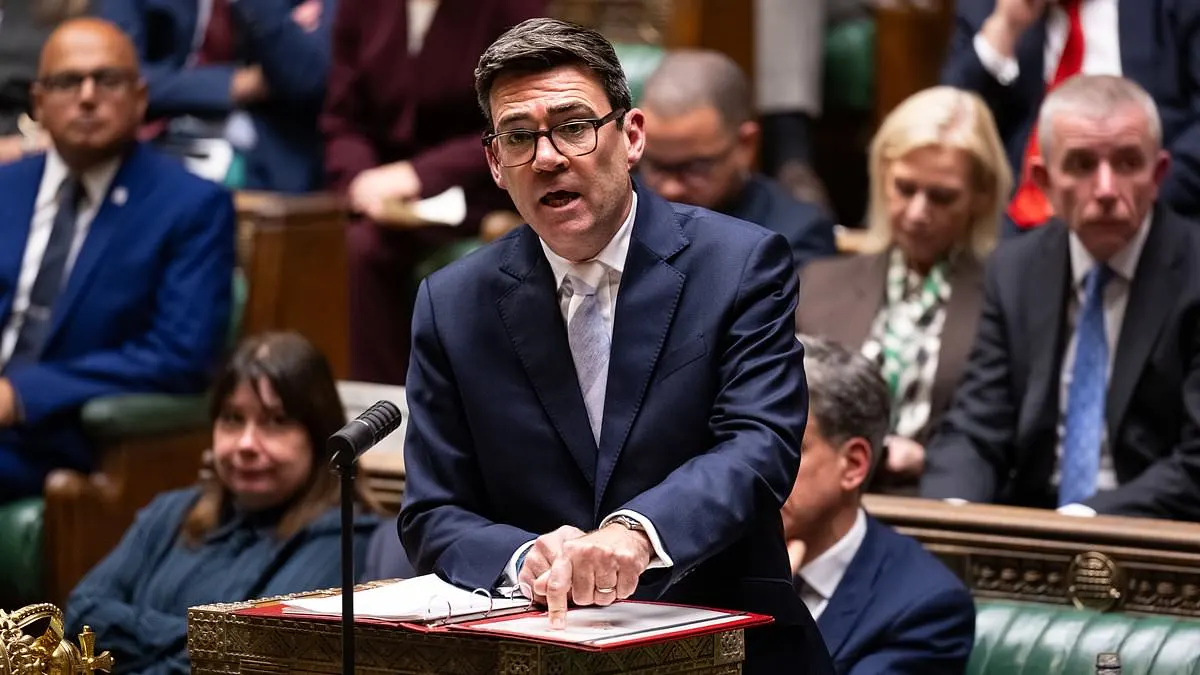
Andy Burnham withdrew his claim that Russia interfered in the 2016 Brexit referendum, conceding he had no evidence that Moscow influenced the result. His remarks prompted criticism from Boris Johnson, Nigel Farage and Conservative leader Kemi Badenoch, while Downing Street said the Government regarded the referendum result as legitimate.
Burnham had said officials told him there was evidence of Russian interference, then argued that Russian activity in the 2019 general election made earlier interference conceivable. A 2020 parliamentary intelligence committee report found no evidence of successful interference in the referendum, and the security minister said successive governments had seen none. Burnham also argued Britain should seek a closer relationship with the EU, potentially including a return to free movement after the next election.
- Sources
- 2
- Outlets
- 2
- Left · Centre · Right
- 1 · 0 · 1
In short
- Burnham conceded he had no evidence Russia influenced the Brexit vote.
- Johnson, Farage and Badenoch criticised his claim.
- Burnham still called for closer EU ties, possibly including free movement.
How this story developed
- 1 month ago Newly added coverage has sharpened the dispute over Andy Burnham’s claim that Russia interfered in the 2016 Brexit referendum: he has conceded he has no evidence that Moscow influenced the result.
- 2 months ago Prime Minister Andy Burnham faced severe criticism yesterday after retreating from claims that Russia interfered in the 2016 Brexit referendum.
- 2 months ago Andy Burnham withdrew his claim that Russia interfered in the 2016 Brexit referendum, conceding he had no evidence that Moscow influenced the result.
Where outlets differ
Left-leaning outlets 1
Only here: interfere, boss, confirms
Right-leaning outlets 1
- Burnham is in retreat over Russia Brexit ‘lies’: Boris and Farage blast PM’s referendum claimDaily Mail
Only here: burnham, retreat, lies, boris, farage
Every side used: russia, brexit, referendum
Headline columns compared word for word; nothing in them is AI-written.
Steelman: both sides, in good faith
The strongest fair case each way — we don't pick a winner.
The case for
Burnham's rapid correction within 24 hours demonstrates good faith rather than deliberate deception, and in a casual podcast discussion one might reasonably misspeak or oversimplify complex classified briefings that cannot be publicly disclosed. His critics appear to be pursuing opportunistic political advantage by interpreting a quickly-retracted imprecision as evidence of fundamental dishonesty, when the appropriate response to a leader who acknowledges error is to accept the correction. A Prime Minister's willingness to admit when he has misspoken, particularly on sensitive national security matters, arguably demonstrates integrity.
The case against
The Prime Minister made a significant claim about foreign interference in a democratic referendum to a large audience without any supporting evidence whatsoever, and his admission within hours of possessing no factual basis is either deeply reckless or deliberately dishonest. This behaviour is particularly troubling given that multiple rigorous official investigations, including MI5 and the Commons intelligence committee, have already established there is no evidence of Russian interference, meaning Burnham contradicted settled fact. A leader's credibility on security matters is foundational to public trust, and such a breach—whether careless or calculated—reasonably damages confidence in his judgment.
Explained simply
The 2016 Brexit referendum was a crucial vote on whether the UK should leave the European Union. If a foreign power had successfully interfered in such an important democratic decision, it would raise serious concerns about the legitimacy of the result and the integrity of British democracy more broadly.
Multiple official investigations have examined whether Russia attempted to influence the 2016 referendum result. MI5's leadership concluded in 2018 that there was no evidence of successful Russian interference, and a parliamentary intelligence committee reached the same conclusion in a 2020 report.
Prime Minister Andy Burnham's public statements about foreign interference carry particular weight because they are based on access to classified intelligence and security briefings. Claims about Russian meddling in major referendums are especially sensitive, as they affect how people view the legitimacy of the referendum result and the UK's relationship with Russia.
Coverage · 2 sources
Bias meters
From 2 rated sources.
Elections Europe Politics World