Burnham promised big change – where was it? Instead we got the Martin Lewis budget | Aditya Chakrabortty
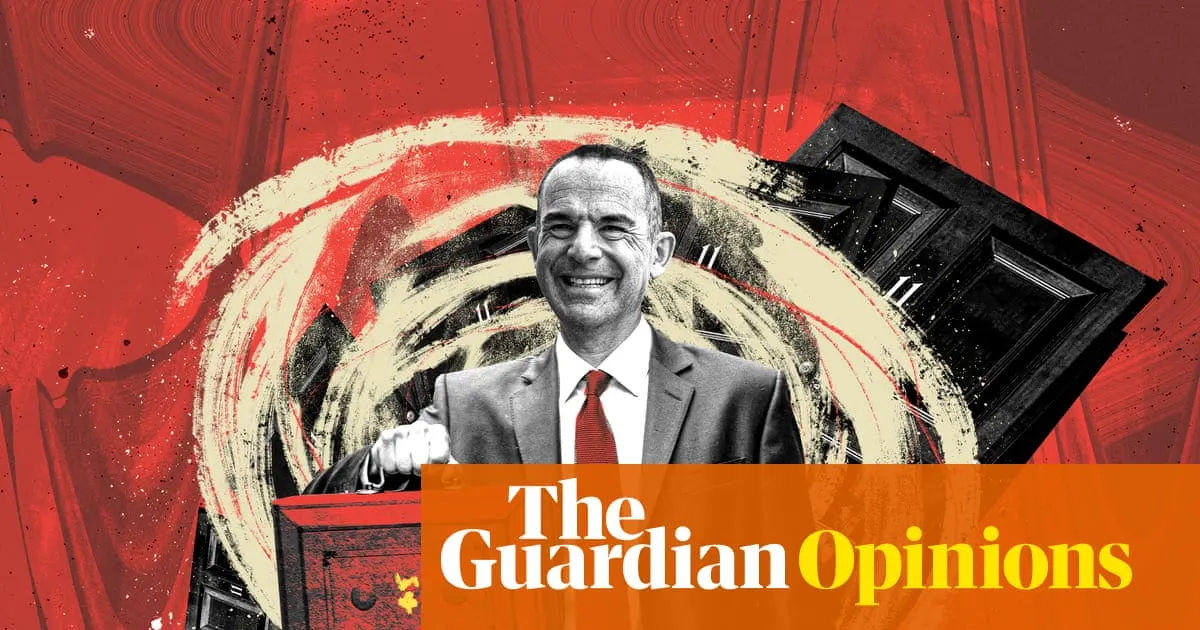
The article argues that the budget associated with Andy Burnham’s political ambitions was instead shaped by consumer advocate Martin Lewis’s practical proposals. It says this matters because small fixes may ease everyday costs, but cannot meet the need for broader economic and structural change.
Several prominent measures, including scrapping gas standing charges and changing support for pensioners and energy bills, came from Lewis’s wishlist. The budget contained 98 measures but announced £380m in extra spending, compared with £74bn in Rachel Reeves’s first budget; the author says Burnham’s total was about 0.5% of that figure.
In short
- Martin Lewis’s proposals shaped the budget’s most visible measures.
- The budget offered 98 measures and £380m in extra spending.
- The article says Burnham’s ambitions were not matched by the budget.
Steelman: both sides, in good faith
The strongest fair case each way — we don't pick a winner.
The case for
Practical measures drawn from Martin Lewis’s proposals could ease immediate pressures on household budgets, including energy costs and pensioner support. A budget can reasonably prioritise targeted, workable changes over sweeping promises, especially when public money is constrained and each measure must be deliverable.
The case against
The article’s criticism is that small consumer-focused fixes cannot address deeper problems in wages, public services, investment and regional inequality. If Andy Burnham’s ambitions were presented as a programme for broad change, a budget with far less additional spending than Rachel Reeves’s first budget may fall short of the scale needed to deliver it.
Explained simply
Andy Burnham is the mayor of Greater Manchester and a senior Labour politician, while Rachel Reeves is the UK chancellor, responsible for setting the government’s budget. Martin Lewis is a consumer finance campaigner known for practical advice and proposals on household costs.
A budget sets out changes to taxes, public spending and financial support. Measures such as altering energy charges or pensioner support can affect household bills, while the scale and scope of a budget shape how much it can address wider economic challenges.
The article contrasts smaller, targeted measures with calls for more extensive economic change. That distinction matters because easing particular costs and changing the structures behind them are different kinds of policy.
Art Business Culture Government Politics